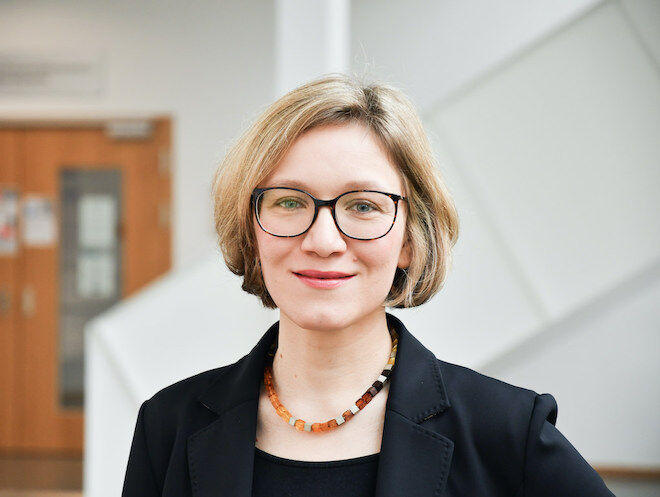
معرفی
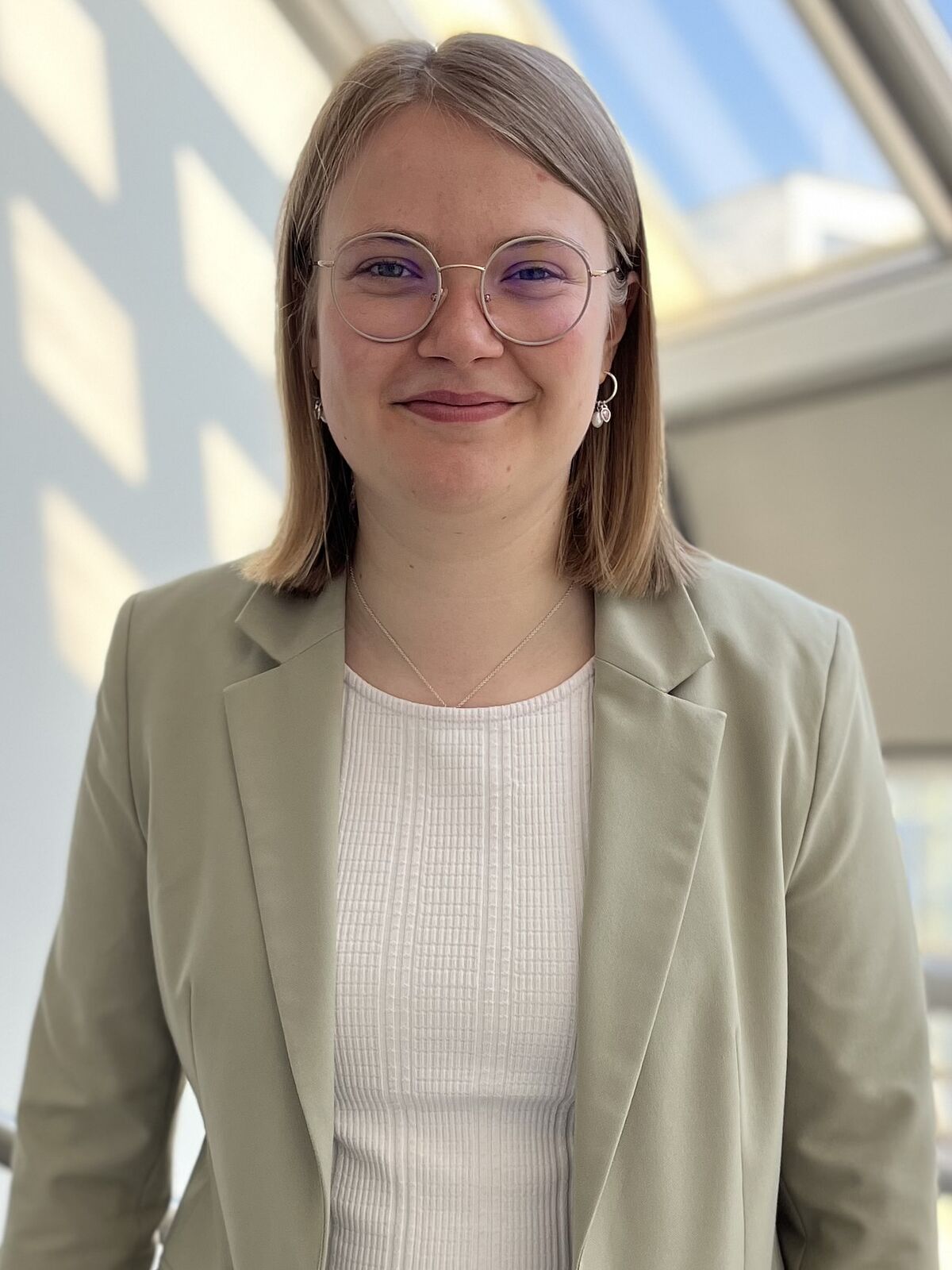
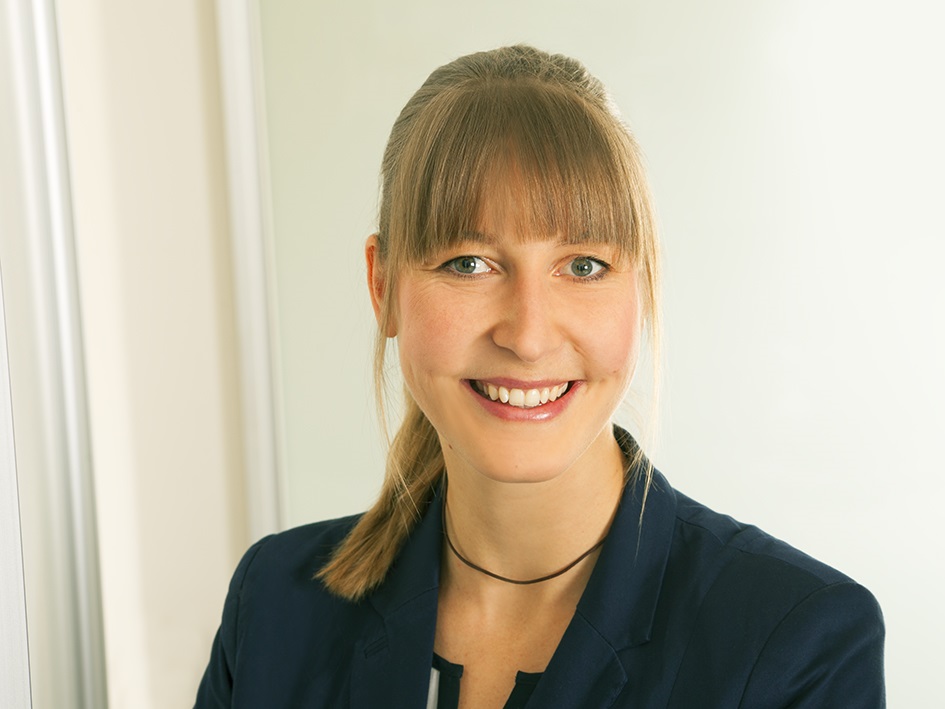
Prof. Dr. Hanna Fischer is a Professor of German Linguistics at the Institute of German Studies, University of Rostock, within the Faculty of Philosophy. Her work focuses on the intersection of historical linguistics, dialectology, and language variation, with particular expertise in German temporal forms and regional language phenomena. She leads research on Low German in Mecklenburg-Western Pomerania and directs several digital humanities projects that bridge traditional linguistic research with modern computational approaches.
Dr. Fischer's research interests span multiple dimensions of German linguistics. She has made significant contributions to understanding the Präteritumschwund (decline of the preterite tense) in German dialects, examining how this grammatical shift has occurred across different regions and historical periods. Her work on temporal forms and aspectuality has provided new insights into the relationship between standard language and regional varieties. She is particularly known for her innovative approach to digital dialectology, creating citizen science projects that engage the public in language documentation. Her research on Low German has resulted in the development of the Digital Low German Atlas for Mecklenburg-Western Pomerania (DiNA), a groundbreaking resource for regional language preservation.
Analysis of Dr. Fischer's recent publications reveals a clear trajectory toward increasingly interdisciplinary research that combines traditional linguistic methods with digital humanities approaches. Her work demonstrates growing emphasis on computational linguistics techniques applied to historical language data, particularly through projects like "Abrogans:alienatus," a digital edition of the oldest German dictionary. There's also a pronounced trend toward applied linguistics, with significant attention to how linguistic research can inform teacher education and classroom practice, as evidenced by her "Sprachvariation@Schule" platform. Her research increasingly incorporates cross-disciplinary perspectives from sociology, history, and computer science to address complex questions about language variation and change.
Dr. Fischer actively mentors doctoral students and has established a robust research environment that includes multiple research assistants and student collaborators. She leads the Office "Low German in Mecklenburg-Western Pomerania" and organizes the Rostock Linguistic Colloquium (RoLiKo), which brings together linguists from various disciplines to discuss current research. Her team includes research assistants, doctoral students working on projects like "Dynamics and Stability of Linguistic Representations," and numerous student assistants who contribute to her various research initiatives.
Among her notable projects are the Digital Low German Atlas for Mecklenburg-Western Pomerania (DiNA), the "Abrogans:alienatus" digital edition of the oldest German dictionary, and "Sprachvariation@Schule," a platform designed to incorporate language variation into German language teaching. She also developed the "Welcome to Bavaria" phrasebook app and "GrammatikPro" online language skills tests. Her research frequently involves collaboration with institutions across Germany and internationally, as evidenced by her partnership with the Institute for Cultural Research Graubünden in Switzerland.