معرفی
Gino Poulin, PhD is a Lecturer in the Division of Molecular & Cellular Function at the University of Manchester. His research focuses on developmental epigenetics, particularly examining how chromatin organization regulates signaling pathways during development using C. elegans as a model organism. His work has significant implications for understanding fundamental biological processes and potential applications in cancer research.
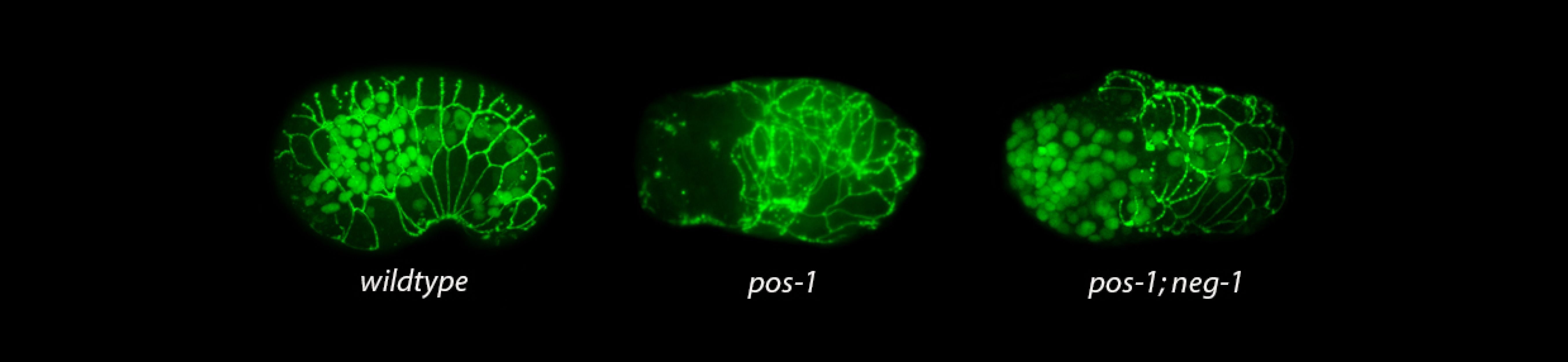
Dr. Poulin's primary research interests center on developmental epigenetics, with specific focus on Ras and Notch signaling pathways and their modulation through chromatin organization. His laboratory has conducted numerous RNAi screens revealing that chromatin structure is crucial for appropriate attenuation of the RAS signaling pathway. Key discoveries include the role of the MLL complex and bromodomain-containing protein BET-1 in preventing RAS pathway hyperactivation during development. His work bridges molecular biology and developmental genetics to understand how epigenetic mechanisms influence cellular decision-making processes related to somatic versus germ cell fate determination.
Analysis of Dr. Poulin's publication record shows consistent focus on genetic and epigenetic regulation using C. elegans, with recent work expanding into neuronal transport mechanisms, genetic variation analysis, stress response pathways, and computational approaches to genetic data. His interdisciplinary approach combines molecular genetics, biochemistry, and computational biology to address fundamental questions in developmental signaling.
Dr. Poulin has supervised 11 research projects as indicated by the 'Supervised Work (11)' notation. He has participated in significant research projects including 'Gene Expression and Cellular Programming' and served as Co-Investigator on 'A novel ageing-related pathway regulating ROS homeostasis' (2012-2015). His collaborative work spans multiple institutions and disciplines, reflecting the interdisciplinary nature of modern molecular biology research.
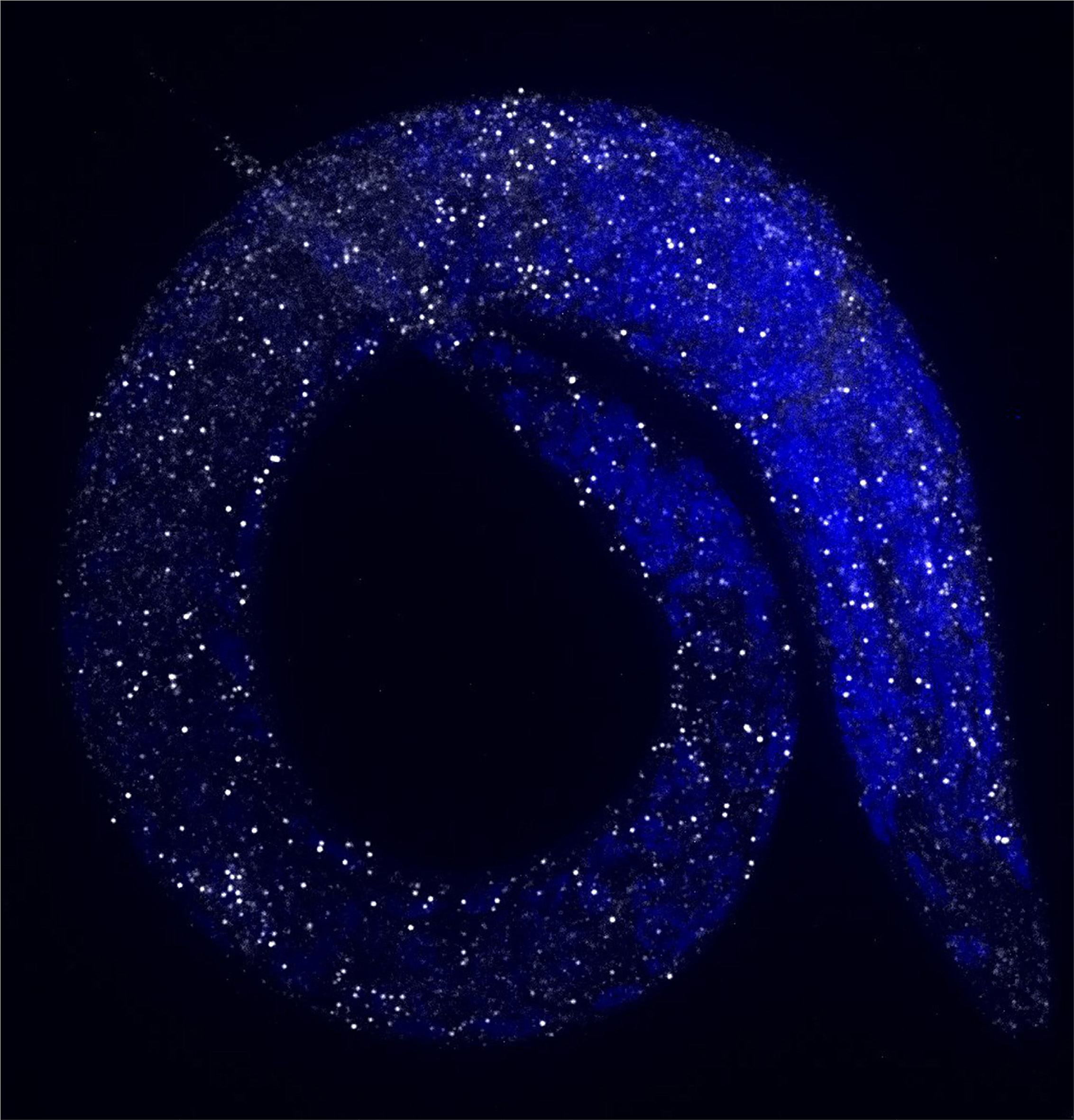
Dr. Poulin leads the Poulin Lab which utilizes C. elegans to investigate the relationship between chromatin organization and signaling pathway regulation. The lab employs techniques including RNAi screening, genetic perturbation, and molecular analysis to uncover how epigenetic mechanisms influence developmental processes. Their research has particular relevance to understanding cellular immortality mechanisms that have implications for cancer research, and contributes to the United Nations Sustainable Development Goals through the Manchester Institute for Collaborative Research on Ageing.