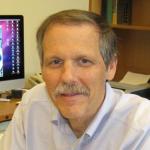
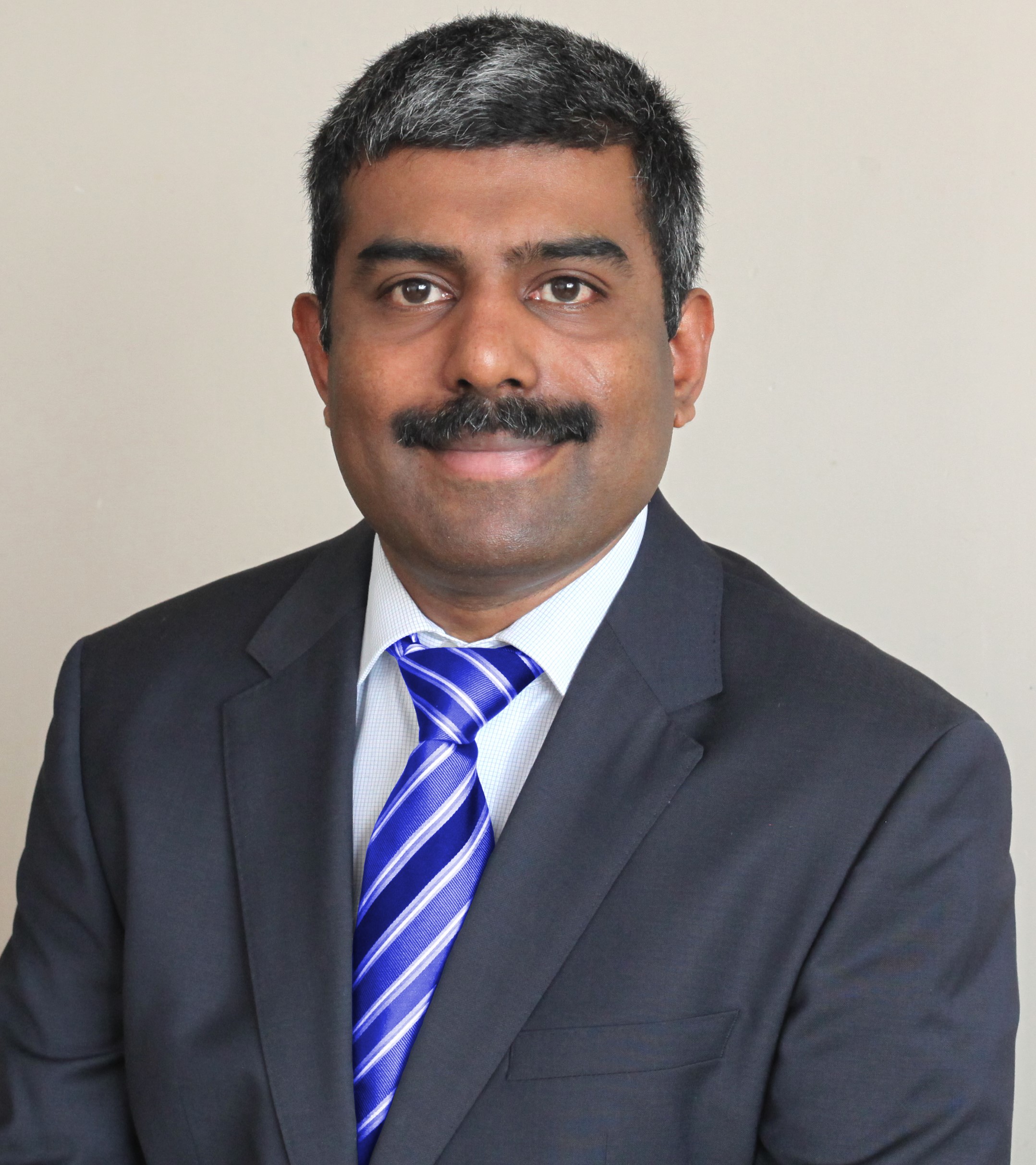
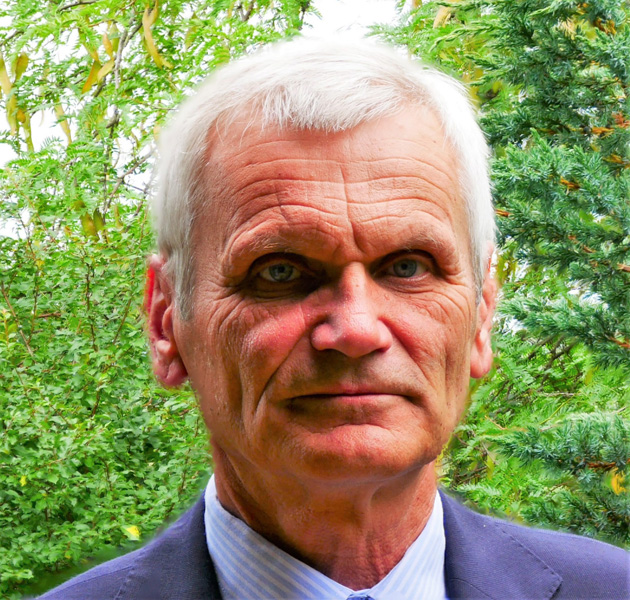
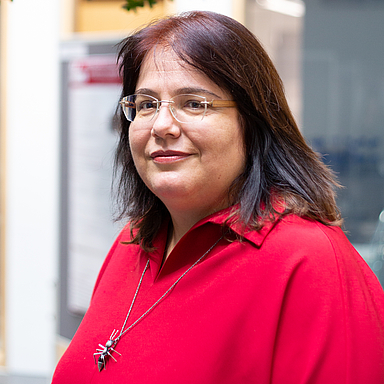
Peter Brodersen is a Professor at the Department of Biology, University of Copenhagen , specializing in Bioinformatics and RNA Biology . His research focuses on RNA modification (m6A), YTHDF proteins, and small RNA pathways in plants. Recent research trends from his group include: (1) molecular mechanisms of ARGONAUTE-small RNA interactions, (2) m6A-YTHDF regulatory systems in plant development, and (3) RNAi-independent roles of DICER-LIKE proteins in antiviral defense. Collaborations span Denmark and international institutions. Publications highlight cross-disciplinary work bridging computational biology and experimental plant genetics. Key subfields include RNA structure, epigenetic regulation, and antiviral immunity.
Britt Adamson is an Associate Professor in the Department of Molecular Biology and the Lewis-Sigler Institute for Integrative Genomics at Princeton University, where she serves as Director of the Undergraduate Program in Quantitative and Computational Biology. Her lab investigates molecular networks in human cells with focus on stress response mechanisms and genome editing technologies. She received her B.S. in Biology from the Massachusetts Institute of Technology (2005) and Ph.D. in Genetics and Genomics from Harvard University (2012), followed by postdoctoral training at UCSF under Jonathan Weissman supported by a Damon Runyon Cancer Research Foundation Fellowship. Adamson's research centers on how cells organize stress response networks during DNA damage and endoplasmic reticulum stress, developing CRISPR-based functional genomics and single-cell sequencing tools to map molecular behaviors. Her work bridges fundamental cell biology with therapeutic applications in genome editing. Analysis of her 15 most recent publications reveals dominant themes in precision genome editing (prime/base editing optimization) and systematic dissection of DNA repair pathways through combinatorial CRISPR screening. Her lab consistently integrates computational approaches with high-resolution experimental techniques to uncover context-dependent cellular behaviors. Her scientific recognitions include: Damon Runyon Cancer Research Foundation Postdoctoral Fellowship Princeton IP Accelerator Award (2025) STAT Who to Know: 10 Scientists leading a new generation of gene editors (2024) Adamson actively mentors eight graduate students (including alumni Ann Cirincione and Jun Hussmann) and two postdocs, with research funded through institutional awards and collaborative grants. Her lab's technological developments have enabled projects spanning virology, immunology, and developmental biology. The Adamson Lab operates within Princeton's Lewis-Sigler Institute for Integrative Genomics, fostering an interdisciplinary environment that merges cell biology, genomics, and computational science. Current projects focus on improving prime editing efficiency and understanding stress response adaptation in disease contexts.
Michele Klingbeil is a Professor in the Department of Microbiology at the University of Massachusetts Amherst, where she leads the Klingbeil DNA Replication Laboratory. She received her PhD in Cell and Molecular Biology from the University of Toledo in 1996 and previously worked at Johns Hopkins School of Medicine before moving to UMass in July 2007. Her educational background includes: PhD in Cell and Molecular Biology, University of Toledo, 1996 Dr. Klingbeil's research focuses on the unique biology of trypanosomatid parasites, particularly Trypanosoma brucei , the causative agent of African sleeping sickness. Her laboratory investigates two main areas: (1) replication of the unusual mitochondrial DNA network called kinetoplast DNA (kDNA), and (2) nuclear DNA replication initiation. Her work on kDNA is particularly significant as this structure is essential for parasite survival but has no counterpart in mammalian hosts, making it an attractive drug target. She employs a combination of reverse genetics (RNAi), cell biology, and biochemistry to understand the replication and repair mechanisms of kDNA, with a special focus on a family of four DNA polymerases related to bacterial Pol I. Dr. Klingbeil's recent publications reveal her laboratory's deep investigation into mitochondrial DNA polymerases in trypanosomatids, with discoveries showing multiple polymerases having specialized functions in kDNA replication and repair. Her research has established that several of these polymerases are essential for parasite viability, opening new avenues for drug development. She has also made significant contributions to understanding the simplified Origin Recognition Complex in trypanosomatids compared to other eukaryotes. Dr. Klingbeil has received the Thomas G. Lessie Distinguished Lectureship Award for her impact on teaching at the graduate level. Her research is funded by the National Institutes of Health, U.S. Department of Agriculture, the Joeph P. Healey Endowment, and the University of Massachusetts Amherst. She has mentored numerous graduate and undergraduate students, including current PhD candidates Dave Bruhn, Jeniffer Concepción, and Juemin Luo, as well as visiting scholar Eva Vidal Rico. Her former students have gone on to positions at institutions including Dana Farber/Broad Institute, Regis College, and Flagship Ventures. The laboratory regularly participates in scientific conferences including the Molecular Parasitology Meeting at Woods Hole and the Kinetoplastid Molecular Cell Biology conference. Dr. Klingbeil teaches several courses including Parasitology (MICRO 590S), Parasitology Lab (MICRO 590L), Molecular Mechanisms of Pathogenesis (MICRO 797P), Advanced Cell Biology (MCB 641), and Writing in Microbiology (MICRO 360). Her laboratory organizes regular social events including pumpkin carving parties and outings to Six Flags New England and Mt. Sugarloaf.
Steven L'Hernault is Professor and Chairman of Biology at Emory University, where he leads research on cellular and developmental processes using Caenorhabditis elegans models. His laboratory investigates molecular mechanisms underlying spermatogenesis, focusing on genetic controls of sperm development and function. The L'Hernault Lab studies highly conserved genome protection mechanisms in germ lines using genetic, molecular, and biochemical approaches. Key research areas include secretory vesicle function, membrane protein interactions, and ubiquitin ligase activity during sperm differentiation. Recent publications examine paternal epigenetic inheritance pathways and palmitoyltransferase functions in spermiogenesis. The lab maintains an extensive collection of C. elegans mutants with defective spermatogenesis to study fundamental cellular processes.
Dr. Beibei Ren is an Assistant Professor in the Department of Mechanical Engineering at Texas Tech University. She earned her Ph.D. in Electrical and Computer Engineering from the National University of Singapore (NUS) in 2010, followed by postdoctoral work at UCSD and a research fellowship at NUS. Education: Ph.D. in Electrical and Computer Engineering (NUS, 2010) Previous Positions: Postdoctoral Scholar (UCSD, 2010-2013), Research Fellow (NUS, 2009-2010) Her research focuses on dynamic systems and control with applications in renewable energy integration, microgrids, UAVs, MEMS, marine systems, and manufacturing. At Texas Tech, she directs the Dynamic Intelligent Systems, Control and Optimization (DISCO) Group , emphasizing robust control strategies for uncertain systems. The 15 most recent publications highlight her expertise in uncertainty and disturbance estimator (UDE)-based control , with applications in smart grid technologies, wind and solar energy systems, quadrotor robotics, and power electronics. Her work bridges theoretical control theory with practical implementations in renewable energy and autonomous systems. STEM Outreach: Actively promotes diversity in engineering through Texas Tech's STEM CORE programs.
Dr. Anil Kumar is an Assistant Professor in the Department of Biochemistry, Microbiology & Immunology at the University of Saskatchewan's College of Medicine. He specializes in molecular virology, focusing on positive-stranded RNA viruses and their interactions with host immune systems. His research employs high-throughput genetic screens and reverse genetics systems to identify host factors critical for viral infection. Education includes a BSc in Agricultural Sciences (1999, Kerala Agricultural University), MSc in Plant Pathology (2001, Indian Agricultural Research Institute), and PhD in Molecular Virology (2010, University of Heidelberg). Postdoctoral training included stints at the University of Heidelberg (2010–2013) and the University of Alberta (2014–2020). Research interests center on Eastern Equine Encephalitis virus (EEEV) and Enterovirus D68 (EV-D68). For EEEV, his lab investigates immune evasion mechanisms and host-virus protein interactions to identify therapeutic targets. For EV-D68, they study CNS invasion mechanisms and novel host dependency factors linked to acute flaccid myelitis (AFM). Recent work includes studies on SARS-CoV-2, uncovering roles for host proteins like Argonaute 2 in viral restriction. His lab integrates molecular biology, virology, and systems biology approaches, with a focus on translational research for antiviral drug development. Collaborations include work on respiratory syncytial virus (RSV) entry mechanisms and dengue virus replication regulation.
Matthew Lakin is an Associate Professor with tenure in the Department of Computer Science at the University of New Mexico, with a courtesy appointment in the Department of Chemical & Biological Engineering. He is affiliated with the UNM Center for Biomedical Engineering and the School of Engineering, and collaborates extensively with the UNM Health Sciences Center and external institutions. Education: Ph.D., Computer Science, University of Cambridge, 2010 M.A. (Cantab), University of Cambridge, 2009 B.A. (Hons), Computer Science, University of Cambridge, 2005 Dr. Lakin's research focuses on molecular computing, DNA nanotechnology, synthetic biology, and formal verification of biomolecular circuits. He develops computational models and experimental systems for programmable biological devices, especially using heterochiral DNA to enhance stability in living cells. His work spans software tools for biodesign and experimental validation in mammalian systems, with applications in nanomedicine and biosensing. The recent publications highlight a strong trend in engineering robust, intelligent biomolecular systems. His work integrates machine learning concepts into chemical reaction networks, advances geometric modeling of DNA systems, and pioneers L-DNA-based circuits for intracellular applications. The research spans theoretical foundations, software tools, and wet-lab experimentation, emphasizing interdisciplinary innovation. Scientific Awards: Presidential Early Career Award for Scientists and Engineers (PECASE), 2025 NSF CAREER Award, 2021 UNM School of Engineering Junior Faculty Research Excellence Award, 2021 Multiple student awards under his mentorship, including the Outstanding Graduate Student Award and DNA28 Best Student Presentation recognition Dr. Lakin has advised numerous graduate and undergraduate students, including Ph.D. graduates in Biomedical Engineering and Computer Science. He leads major funded projects such as the NSF CAREER grant on heterochiral molecular computing, an EPSCoR Research Fellowship, and a $3M NSF grant on heavy metal biosensing in collaboration with Native American communities. He is also PI on multiple NSF grants related to synthetic cells and nucleic acid technologies. He directs the Lakin Lab for Programmable Biology, which operates within the Department of Computer Science and collaborates with Chemical & Biological Engineering and the Center for Biomedical Engineering. The lab emphasizes both computational modeling and experimental molecular biology, and runs an NSF-funded biotechnology summer camp in partnership with ¡Explora! science museum to strengthen STEM education in New Mexico.
Professor Marek Sanak serves as Full Professor at the Department of Internal Medicine, Jagiellonian University Medical College in Cracow, Poland. He concurrently holds leadership positions as Acting Director of the Department of Forensic Medicine, Head of the Division of Molecular Biology and Clinical Genetics, and Vice-Rector for Research and International Cooperation since 2016. His academic foundation includes: MD from Jagiellonian University Medical College Specialization in Pediatrics and Genetics PhD from Jagiellonian University Research appointments at Harvard University, University of Paris VI, and University of Zurich Professor Sanak's research integrates clinical genetics with molecular immunology, focusing on asthma pathogenesis, lipid mediators of inflammation, and genetic diagnostics. His laboratory employs advanced techniques including deep DNA/RNA sequencing to identify biomarkers and elucidate disease mechanisms. The work bridges fundamental molecular discoveries with clinical applications in respiratory diseases, allergic disorders, and forensic medicine, demonstrating particular expertise in aspirin-exacerbated respiratory disease and epigenetic regulation of inflammatory pathways. Analysis of his recent publications reveals a strategic evolution from classical asthma research toward molecular genetics and viral pathogenesis. His 2017-2021 work increasingly incorporates epigenetic approaches (DNA methylation, microRNA profiling) while expanding into SARS-CoV-2 research during the pandemic. The publications demonstrate interdisciplinary integration across immunology, respiratory medicine, and molecular diagnostics, with consistent focus on translational applications. His distinguished career has been recognized through numerous honors: The Lancet Investigators Award on Asthma (1997) Polish Ministry of Health Individual Prize (1999) Jagiellonian Laurel (2012) Pro Arte Docendi Award (2014/15) Gold Medal for Long Service (2019) Top 2% of world scientists ranking (Elsevier 2022) As Vice-Rector for Research, Professor Sanak has significantly expanded international collaborations with King's College London, University of Southampton, and University of Zurich. His leadership has secured substantial funding for molecular diagnostics and inflammatory disease research while mentoring numerous early-career researchers. He delivers invited lectures globally for organizations including the American Thoracic Society and European Academy of Allergy and Clinical Immunology. Professor Sanak directs integrated research units across the Division of Molecular Biology and Clinical Genetics, Division of Biochemical and Molecular Diagnostics at University Hospital Cracow, and the Department of Forensic Medicine. These teams combine clinical service with basic research to advance genetic diagnostics and understand disease mechanisms, maintaining forensic genetics expertise developed over 20 years of practice.
Caetano Reis e Sousa is a Professor of Immunology at Imperial College London and Senior Group Leader/Assistant Research Director at the Francis Crick Institute. He leads the Immunobiology Laboratory, focusing on dendritic cell biology, immune responses to pathogens, and cancer immunotherapy. His research explores how dendritic cells detect pathogens and dying cells, triggering adaptive immunity. Key roles include investigating cross-presentation mechanisms, C-type lectin receptors (e.g., DNGR-1), and vaccine development strategies. Education: BSc (Hons) Biology from Imperial College London (1989), DPhil in Immunology from University of Oxford (1992). Postdoctoral training at NIH under Ron Germain. Career milestones include founding the Immunobiology Lab at CRUK London Research Institute (1998–2015) before joining the Crick. Awards & Recognition: Highly Cited Researcher (Thomson Reuters), BD Biosciences Prize (2002), Liliane Bettencourt Award (2008), Louis-Jeantet Prize (2017), Fellowships at Royal Society (2019), Academy of Medical Sciences (2006), and EMBO (2006). Named Officer of the Order of Sant'Iago da Espada (Portugal, 2009). Research Themes: Dendritic cell activation pathways, cross-presentation of tumor antigens, microbiome-cancer immunity links, and immune evasion mechanisms. Collaborations involve institutions like UCL, King's College London, and global health networks. Labs/Teams: Head of Immunobiology Lab at Crick, with expertise in immunology, cell biology, and virology. Facilities include Flow Cytometry, Genomics, and Light Microscopy cores. Active in pandemic response (e.g., SARS-CoV-2 testing initiatives).
Darryl Overby is a Professor of Mechanobiology in the Department of Bioengineering at Imperial College London's Faculty of Engineering. His academic affiliations include the CRUK Convergence Science Centre, Cancer Technology Network, and multiple interdisciplinary networks focused on ocular biomechanics, vascular science, and regenerative medicine. He holds an Orcid identifier (0000-0001-9894-7515) and was previously affiliated with Tulane University and Harvard Medical School. Education: Ph.D. in Mechanical Engineering (2002) from MIT under Prof. Roger Kamm, followed by postdoctoral research at Harvard Medical School under Prof. Donald Ingber. His work focuses on cellular biomechanics, mechanotransduction, and the role of mechanical forces in intraocular pressure regulation and glaucoma pathophysiology. Research interests span mechanobiology of Schlemm’s canal endothelial cells, nitric oxide signaling in ocular tissues, and development of organ-on-chip models for studying aqueous humor outflow dynamics. His lab explores how mechanical signals drive transcellular pore formation and how these mechanisms fail in glaucomatous conditions. Key contributions include consensus guidelines for Brillouin microscopy measurements, ex vivo perfusion studies, and the role of TRPV4 channels in mechanosensing. His work integrates engineering techniques with clinical ophthalmology to advance therapies targeting glaucoma and ocular hypertension. Professional activities include leadership roles in the Ocular Biomechanics Network and Wound Healing and Regeneration Network. His research has led to patents for devices enhancing aqueous humor drainage and RNAi-based therapies.
Jeppe Lund Nielsen is a Professor in the Department of Chemistry and Life Sciences at the Faculty of Engineering and Science, Aalborg University, Denmark. His research lies at the intersection of microbial ecology, genomics, and environmental biotechnology, with a strong focus on sustainable solutions for wastewater treatment, anaerobic digestion, and environmental monitoring. His primary research interests include Microbial Ecology, Functional Ecology, Genomics, Molecular and Technical Microbiology, Anaerobic Digestion, Metagenomics, and eDNA Metabarcoding . He applies molecular tools to understand microbial community dynamics in engineered and natural systems, particularly in wastewater and marine environments. His work contributes to the UN Sustainable Development Goals related to clean water, sustainable cities, and climate action. The recent publication trends reflect a strong emphasis on environmental applications of microbiome science, including nitrogen cycling in wastewater, bioaerosol exposure in workers, eDNA-based biodiversity monitoring, and valorization of waste streams through biotechnology. His articles frequently appear in high-impact environmental and microbiological journals and demonstrate interdisciplinary collaboration across engineering, ecology, and public health. Among his notable scientific contributions are leadership roles in significant research projects such as the AAU Bubble Project (Power2Proteins), JAMBO seabed impact study, and investigations into biotechnological pesticides. He has also contributed to public discourse through media engagement on topics like pesticide regulation and environmental innovation. Professor Nielsen has supervised PhD students, including M. Eskeldsen, and is actively involved in grants and collaborative research across Europe. He is a key member of research teams focused on environmental microbiology, wastewater biotechnology, and marine impact assessments. His lab integrates molecular biology, bioinformatics, and environmental engineering to address pressing sustainability challenges.
Philip Burnet is a Professor of Neuroscience at the University of Oxford, affiliated with the Department of Psychiatry . He serves as the Director of Graduate Studies for Psychiatry , teaches on the MSc Neuroscience and MRCPsych courses, and sits on the editorial board of Nutrition and Aging . His research bridges neuroscience and psychiatry, focusing on neurotransmitter modulation and brain health. Research interests: Burnet investigates the regulation of serotonin and glutamic acid systems in aging and psychiatric disorders. Key projects include exploring D-amino acid oxidase (DAO) inhibition to restore cognition in schizophrenia, analyzing the microbiome-gut-brain axis , and testing dietary interventions like probiotics and ketogenic diets for mental health applications. His work combines molecular techniques with behavioral studies in preclinical and clinical contexts. Article trends reveal a focus on neurotransmitter dynamics , microbiome-brain interactions , and metabolic interventions . Notable methods include RNA interference , animal models , and clinical trial protocols . Professional activities: Collaborates across Oxford and with industry partners, contributes to academic editing, and engages in graduate education leadership.
Prof. Dr. Susanne Foitzik is a Professor of Evolutionary Biology at Johannes Gutenberg University Mainz since 2010, where she leads the Evolution & Behavioral Ecology of Ants research group at the Institute of Organismic and Molecular Evolution (IOME). Previously, she was Professor in Behavioral Ecology at LMU Munich (2004-2010) and Assistant Professor in Zoology at the University of Regensburg (2000-2004). She earned her PhD in Biology from Julius Maximilian University, Würzburg in 1998. Her research integrates approaches from behavioral ecology through genomics to epigenetics, focusing on ants as model organisms to study complex social behaviors. Host-parasite coevolution and social parasitism in ants Molecular mechanisms underlying division of labor Reversal of the fecundity-longevity trade-off in social insects Gene regulation in phenotypic plasticity Evolution of chemical communication systems Analysis of her recent publications (2022-2025) reveals a strong focus on molecular mechanisms of social behavior, with particular emphasis on host-parasite interactions, epigenetic regulation of behavior, and genomic adaptations in social insects. Her work increasingly combines transcriptomic, proteomic, and functional genomic approaches to understand the molecular basis of social evolution. Among her notable scientific achievements: Speaker of Research Training Group 2626 GenEvo: Gene Regulation in Evolution (2019-present) Speaker of EES Master Program funded by VW foundation (2007-2010) DAAD Fellow at State University of New York (1992-93) Prof. Foitzik has supervised numerous PhD students and postdocs, including Maide Macit, Tom Sistermans, and Marcel Caminer. Her research is supported by multiple DFG-funded projects investigating host-parasite coevolution, the role of gene regulation in division of labor, and parasite interference in host gene expression. She serves as Handling Editor for Biology Letters and previously served on the editorial board of Insectes Sociaux. Her research group operates within the Institute of Organismic and Molecular Evolution (IOME) at Mainz, with laboratory facilities at the Biozentrum I. The group collaborates extensively with researchers across Germany and internationally, including partnerships with institutions in Frankfurt, Freiburg, Bristol, and Tel Aviv.
Professor Richard Wade-Martins is a leading academic in University of Oxford 's Department of Physiology, Anatomy and Genetics . He directs the Molecular Neurodegeneration Research Laboratory and the Oxford Parkinson’s Disease Centre (OPDC). With degrees from Cambridge (MA) and Oxford (DPhil), he has held prestigious fellowships including Wellcome Trust Research Career Development Fellowship and NIH reviewer roles. His research targets molecular mechanisms in Parkinson’s and Alzheimer’s diseases through iPSC models , transgenic mice , and lysosomal function studies . He pioneered work on SNCA , MAPT , and LRRK2 gene pathways. Current projects focus on gene therapy and mitochondrial dysfunction in neurodegeneration. Key publications (2019–2025) reveal trends in single-cell transcriptomics , calcium channel inhibition , and TFEB/TFE3 lysosome modulation . His awards include Wellcome Trust Fellowships and advisory roles for Parkinson's UK , Alzheimer's Research UK , and EU consortia like StemBANCC and EFACTS . He leads the UK Dementia Platform iPSC Initiative and serves on international boards in Luxembourg and Canada.
Ana Maria Velez is an Associate Professor at the Department of Entomology, University of Nebraska-Lincoln. Her research focuses on insect responses to chemical stressors, particularly RNA interference (RNAi) and Bt toxins for pest management. With a 80% research and 20% teaching appointment, she leads the Insect Toxicology Lab and teaches courses like 'Toxins in the Environment' and 'Insecticide Toxicology.' Education: Ph.D. in Entomology, University of Nebraska-Lincoln, 2013 M.S. in Entomology, Universidad Nacional de Colombia, 2009 B.S. in Biology, Pontificia Universidad Javeriana, Colombia, 2006 Her research spans molecular, organismal, and population levels to evaluate transgenic crops and RNAi technologies. Key areas include resistance mechanisms, non-target effects, and risk assessment frameworks. She has extensive publications on western corn rootworm and fall armyworm, emphasizing sustainable pest control. Her work also addresses sublethal impacts on non-target species like monarch butterflies and honeybees. Recent articles highlight RNAi delivery optimization, Bt resistance dynamics, and ecological impacts of insecticides. Her lab collaborates on patents for RNAi-based pest suppression methods targeting chromatin remodeling and developmental genes. Scientific Awards Distinguished Multicultural Alumni (2019) DuPont Young Professor Award (2016) International Congress of Entomology Travel Awards (2016) Widaman Trust Distinguished Graduate Assistant (2011) Milton E. Mohr Teaching Fellowship (2012) The Vélez Arango Lab investigates durability and safety of insect control technologies, with emphasis on RNAi and Bt crops. Their work informs integrated pest management (IPM) systems and regulatory frameworks.