معرفی
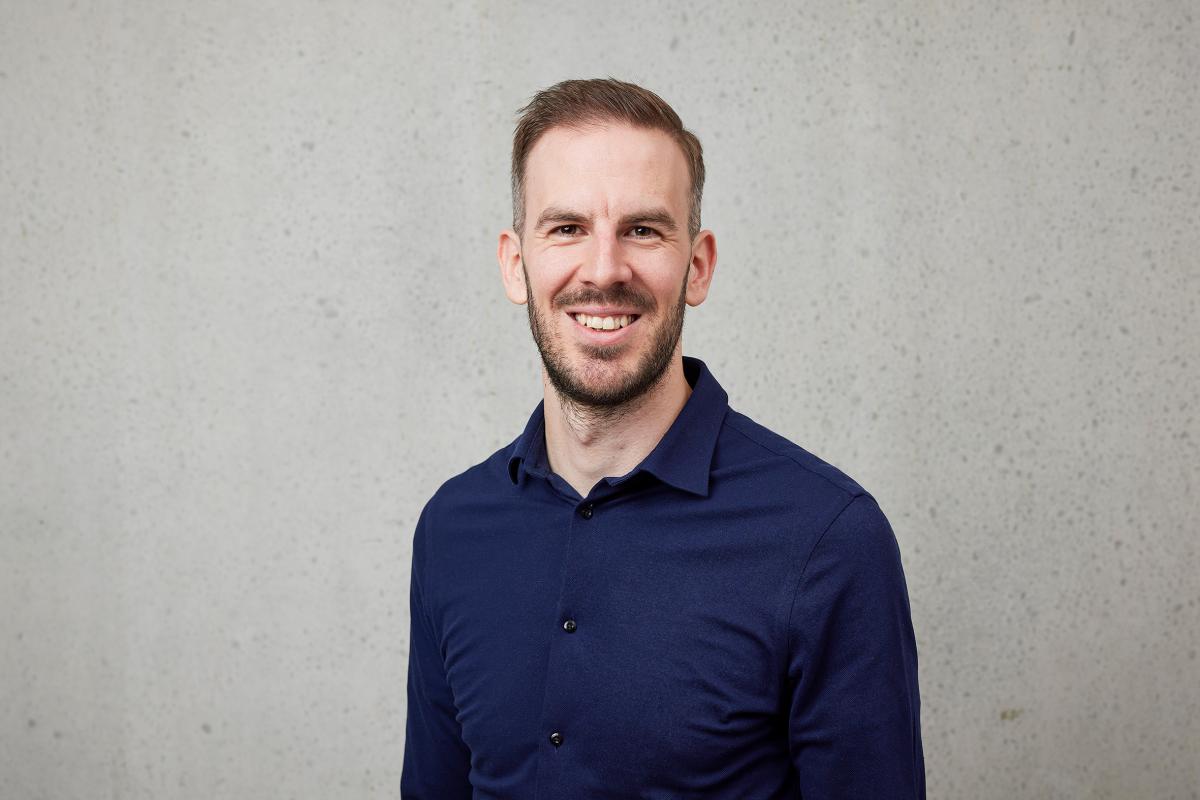
Professor Giles Davies is a leading academic in the School of Electronic and Electrical Engineering at the University of Leeds, within the Faculty of Engineering and Physical Sciences. He holds the position of Professor and serves as Deputy Executive Dean for Research in the Faculty. His work is centered on advanced semiconductor and terahertz technologies, with a strong international reputation in photonics and quantum devices.
- BSc (Honours), First Class, Chemical Physics – University of Bristol, 1987
- PhD in Semiconductor Physics – University of Cambridge, 1991
His research focuses on terahertz electronics and photonics, particularly the development and application of quantum cascade lasers (QCLs). Key contributions include the demonstration of the first terahertz QCL, recognized as a top photonics breakthrough by Nature Photonics. His work spans ultrafast laser dynamics, mode-locking, photonic crystal integration, and topological laser cavities. He also explores semiconductor nanotechnology and biomolecular applications.
Although recent publications are not listed in the text, his funded projects indicate active contributions in terahertz communications, nonlinear optoelectronics, and acoustic control of quantum heterostructures, suggesting a strong output in high-impact photonics and engineering journals.
Scientific Awards:
- Royal Society Wolfson Research Merit Award (2011)
- Fellow of the Institute of Physics (2012)
- Faraday Medal and Prize, Institute of Physics (2014)
- Fellow of the Royal Academy of Engineering (2016)
Professor Davies leads multiple major research grants, including EPSRC and EU Horizon 2020 projects such as TeraCom and EXTREME-IR, with total funding exceeding £9 million. He actively supervises postgraduate research and welcomes PhD applicants. His work involves collaboration with international partners and institutions across Europe.
He is affiliated with the Pollard Institute, the Terahertz Electronics and Photonics group, and the Bio-nanoelectronics research group, where his team advances fundamental and applied aspects of semiconductor-based terahertz systems.