معرفی
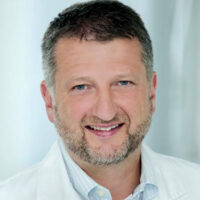
Gerhard Fusch serves as an Assistant Professor (Part-Time) in the Department of Pediatrics at McMaster University's Michael G. DeGroote School of Medicine. His academic appointment focuses on neonatal care and pediatric research with particular emphasis on microfluidic technologies for preterm infant support and breast milk analysis. His work bridges engineering solutions with clinical neonatology to address critical challenges in neonatal intensive care units.
Dr. Fusch's research spans several critical areas in neonatology, with primary focus on microfluidic oxygenators for artificial placenta applications, target fortification of breast milk for preterm infants, and neonatal intensive care quality improvement initiatives. His work on microfluidic blood oxygenators has advanced the development of lung assist devices specifically designed for preterm infants with respiratory failure. In nutrition research, he has pioneered methods for rapid measurement of human milk energy and macronutrients, establishing protocols for individualized target fortification to optimize growth outcomes in vulnerable preterm populations. His team has also investigated noise levels in NICUs, antibiotic stewardship practices, and hematological parameters in extreme preterm neonates.
The analysis of Dr. Fusch's most recent publications reveals a clear trajectory toward increasingly sophisticated integration of engineering and clinical neonatology. His work demonstrates a consistent pattern of moving from foundational research on microfluidic devices and milk analysis toward clinical implementation studies and quality improvement initiatives. The publications show strong interdisciplinary collaboration between engineering, nutrition science, and clinical medicine, with particular emphasis on developing practical solutions for bedside application in neonatal intensive care. His research program has evolved to address not only the technical aspects of neonatal care devices but also the broader systems issues affecting patient outcomes in NICUs.
Dr. Fusch has established a robust research program with significant impact in neonatal care, as evidenced by his extensive publication record spanning from 1994 to 2025 with over 115 publications. His work has garnered attention across multiple platforms, with mentions in news outlets, social media, and clinical practice guidelines. He maintains active collaborations with numerous researchers across McMaster University and beyond, particularly with colleagues in biomedical engineering, nutrition, and clinical pediatrics. His research has practical applications in improving feeding strategies for preterm infants, developing better respiratory support technologies, and enhancing overall quality of care in neonatal intensive care settings.
Dr. Fusch's laboratory work focuses on microfluidic device development for neonatal applications, particularly artificial placenta systems and lung assist devices. His team has made significant contributions to understanding the technical requirements for microfluidic oxygenators that can provide adequate gas exchange for preterm infants while minimizing blood trauma. In parallel, his clinical research group has established protocols for human milk analysis and fortification that are being implemented in neonatal intensive care units to optimize nutritional support for vulnerable preterm infants.