معرفی
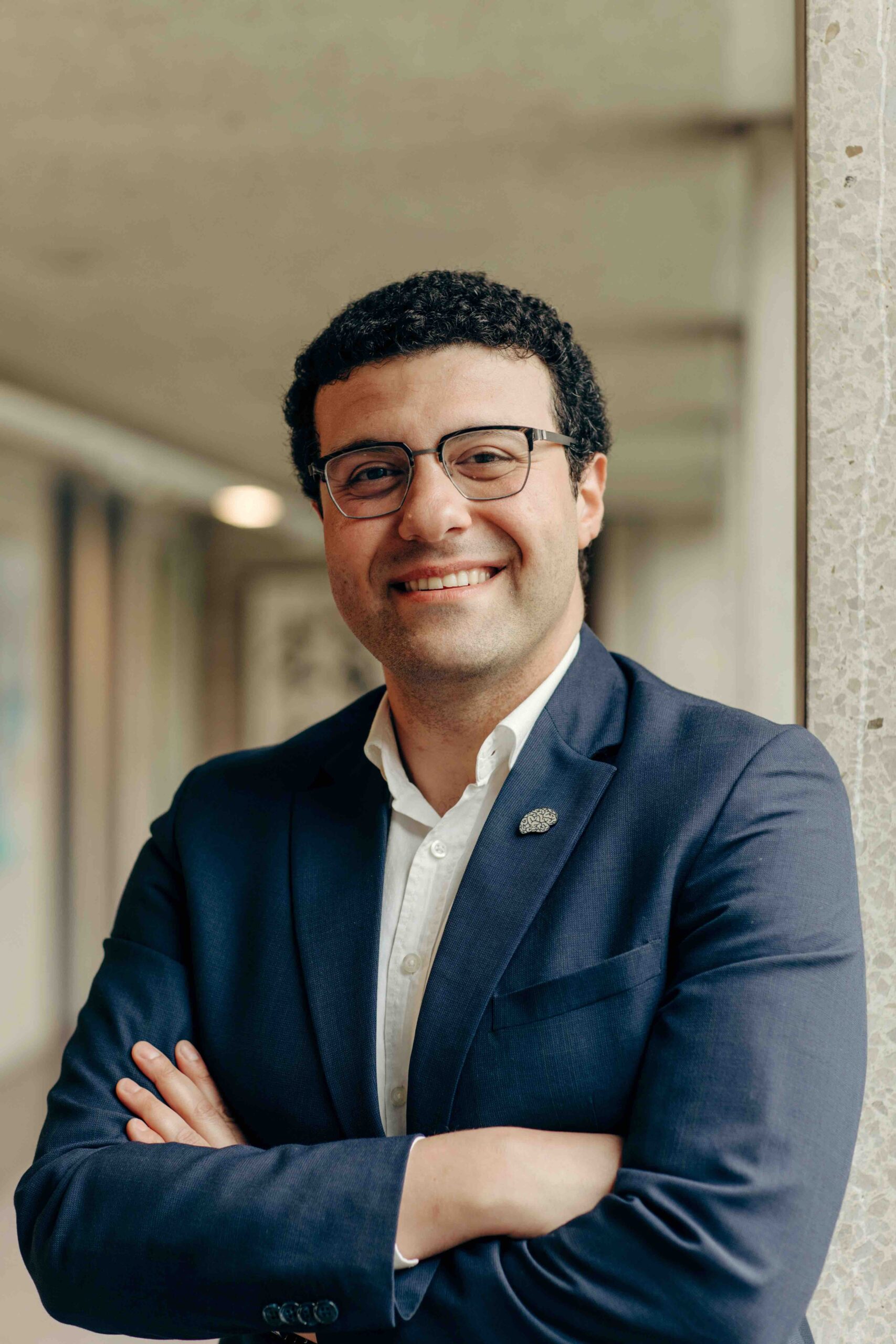
Dr. Florian Merkle is an Associate Professor at the University of Cambridge in the Department of Pharmacology, where he leads the Merkle Laboratory. His work bridges human pluripotent stem cell (hPSC) biology, neurogenetics, and mouse modeling to investigate mechanisms of obesity, neurodegenerative diseases, and hypothalamic dysfunction. He is affiliated with the MRC Metabolic Diseases Unit, Wellcome Trust, and the Chan Zuckerberg Initiative.
- Academic Rank: Associate Professor
- Key Affiliations: University of Cambridge, MRC Metabolic Diseases Unit, Cambridge Stem Cell Institute, Chan Zuckerberg Initiative
Research Interests
Dr. Merkle’s research focuses on human-specific mechanisms of disease using hPSC-derived hypothalamic neurons and animal models. His team employs CRISPR/Cas9 genome editing, single-cell transcriptomics, high-content imaging, and mTORC1 signaling analysis to study:- Cellular models of obesity and diabetes to identify novel anti-obesity drugs
- Shared mechanisms between metabolic and neurodegenerative diseases (e.g., Alzheimer’s, prion diseases)
- Genetic stability of hPSCs during long-term culture and differentiation
Scientific Awards
His accolades include:- New York Stem Cell Foundation – Robertson Investigator
- Sir Henry Dale Fellow (Wellcome Trust & Royal Society)
- Ben Barres Investigator (Chan Zuckerberg Institute)
- Academy of Medical Sciences Springboard scheme
Students & Collaborations
Dr. Merkle co-supervises PhD student Pratik Koppikar (with NIH’s Michael Ward) and collaborates with experts in neuroscience (e.g., Giles Yeo, Giovanna Mallucci) and metabolism (e.g., Stephen O’Rahilly, Clemence Blouet). His lab is funded by the Royal Society, Wellcome Trust, and Chan Zuckerberg Initiative.Labs & Techniques
The Merkle Lab utilizes hPSC differentiation, machine learning-assisted behavioral phenotyping, multi-omics integration, and in vivo physiology to bridge genetic data with organismic phenotypes. Their work aims to develop safe neuroprotective strategies and improve reproducibility in stem cell research.۰مقاله منتشرشده