معرفی
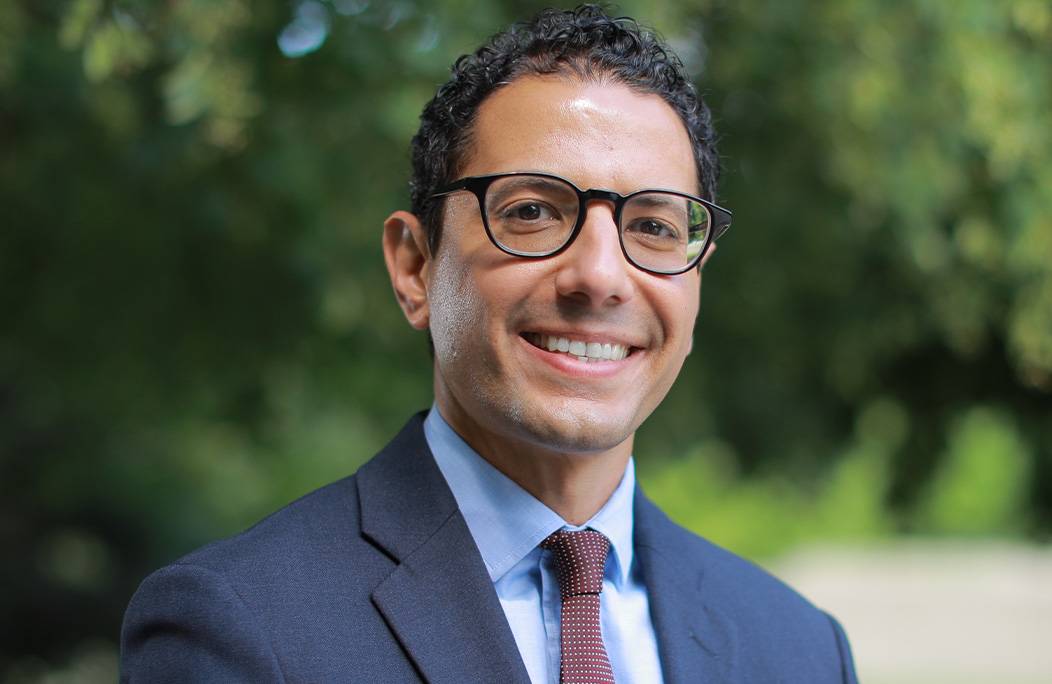
Eugenio Mollo, Jr. serves as a Clinical Associate Professor of Law at the University of Toledo College of Law, where he founded and teaches in the Immigrant Justice Clinic. He initially joined the College in 2016 as an Adjunct Professor of Law and transitioned to a full-time Clinical Assistant Professor in August 2022.
His educational background includes a Bachelor of Arts from the University of Illinois and a Juris Doctor from the University of Iowa College of Law, where he held the position of editor-in-chief for The Journal of Gender, Race & Justice.
Mollo's research and advocacy center on immigration law and human rights, with a focus on vulnerable populations such as migrant farmworkers, unaccompanied children, and refugee survivors of torture. He addresses critical issues including asylum procedures, deportation defense, and the legal challenges faced by immigrant communities in the United States.
His scholarly work explores the practical and technological dimensions of immigration law. The 2018 publication "Our Pathway to a Brighter Future" examines immigrant integration and contributions in Ohio, while his 2006 article on video conferencing in immigration courts highlights concerns about due process and interpretation rights for Mexican immigrants.
Mollo has been recognized with several awards:
- Northwest Ohio’s 20 Under 40 Leadership Recognition Award
- Part-Time Professor of the Year Award (2017 and 2022) from the University of Toledo College of Law
In his clinical role, Mollo supervises law students in providing legal services to immigrant clients through the Immigrant Justice Clinic. His prior work at Advocates for Basic Legal Equality (ABLE) involved managing a practice group that served low-income immigrants, indicating a strong commitment to experiential learning and community engagement.
He founded the Immigrant Justice Clinic at the University of Toledo and previously led the Agricultural Worker and Immigrant Rights practice group at ABLE, demonstrating leadership in creating programs that address the legal needs of marginalized immigrant communities.