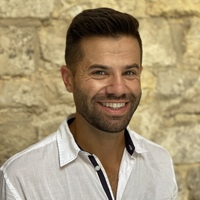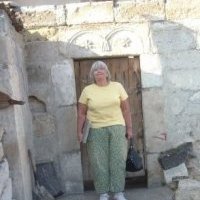
Elizabeth Carter
استاد · Ancient Near Eastern Archaeology
University of California, Los Angelesمعرفی
Elizabeth Carter is a Professor in the Department of Near Eastern Languages and Cultures at the University of California, Los Angeles. Her research focuses on the archaeology of ancient Near Eastern civilizations, particularly Elamite studies and prehistoric Anatolia. She has conducted extensive fieldwork at Domuztepe in Turkey and Anshan in Iran, examining social complexity, funerary practices, and subsistence strategies in early societies. Carter has authored numerous books and articles on topics ranging from Elamite political history to Neolithic burial rituals, with a strong emphasis on interdisciplinary approaches combining archaeology, zooarchaeology, and environmental analysis. She teaches courses on ancient Near Eastern archaeology, Elamite history, and Iranian studies.
Education:
- PhD with honors, Near Eastern Languages and Civilizations, University of Chicago (1971)
Research Interests: Dr. Carter's work centers on the interconnections between Elam, Mesopotamia, and the Zagros Mountains during the Iron Age. She explores how material culture reflects political dynamics, ritual practices, and environmental adaptation. Her Domuztepe excavations investigate the emergence of complex societies in the sixth millennium BCE, while her Elamite studies analyze resistance to empires like Assyria in the first millennium BCE.
Publications Overview: Her articles highlight interdisciplinary analyses of burial practices, resource exploitation, and urban development. Key themes include the 'Death Pit' at Domuztepe (indicating cannibalism or ritual feasting) and Elamite resilience against imperial pressures. Recent work bridges archaeology with historical narratives to reconstruct socio-political landscapes.
Advising & Labs: While no advisees are explicitly listed, her projects like the Domuztepe excavations involve collaborative teams of archaeologists, zooarchaeologists, and environmental scientists. She contributes to ongoing fieldwork and laboratory analyses at UCLA and international institutions.