معرفی
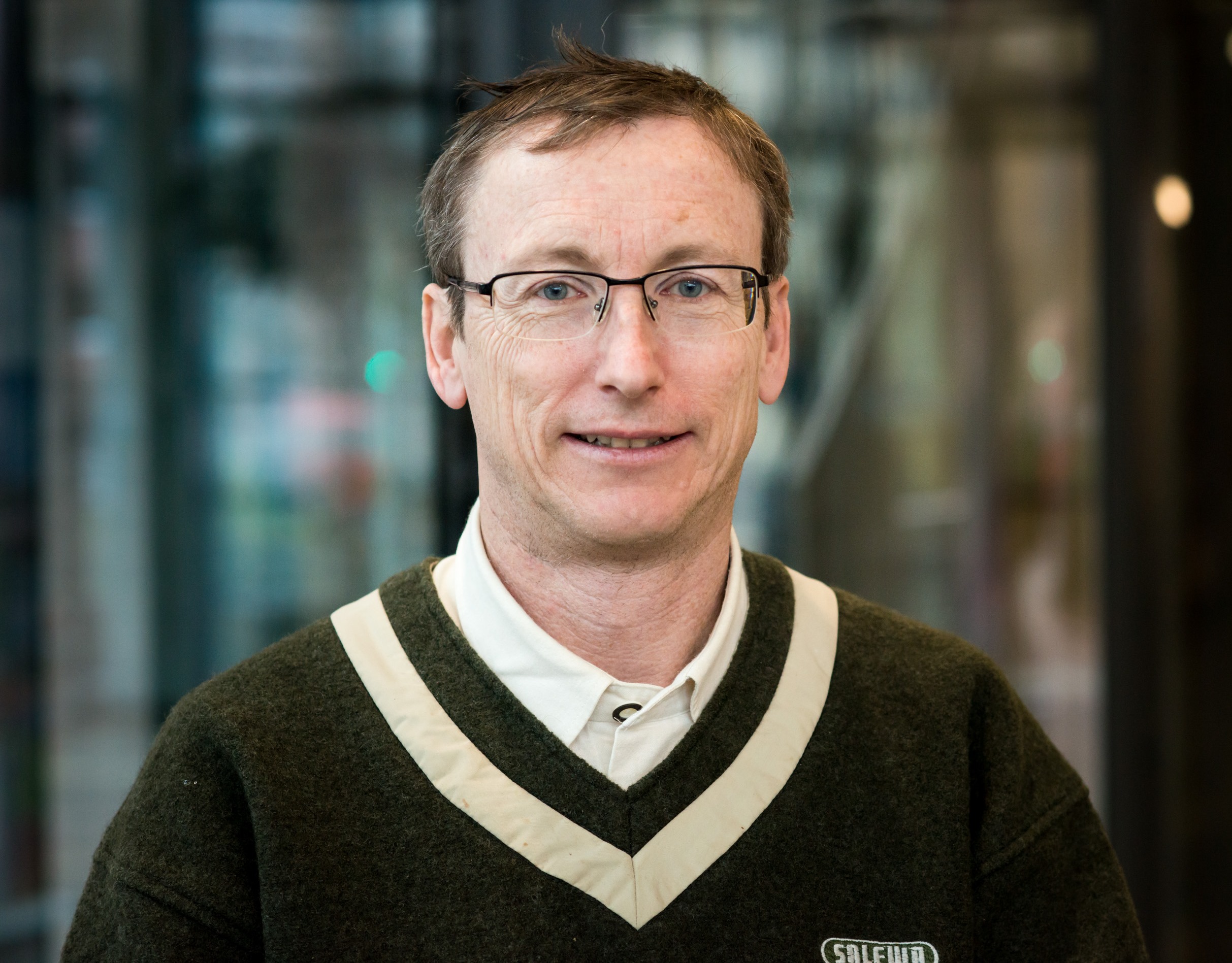
Dr. Edmond Sanganyado is an Assistant Professor in Forensic Science at Northumbria University's Department of Applied Sciences. He holds a B.Sc. in Applied Chemistry from the National University of Science and Technology (Zimbabwe) and a Ph.D. in Environmental Toxicology from the University of California, Riverside, where he was a Fulbright Fellow. His research focuses on assessing the fate, transport, and toxicity of emerging contaminants in aquatic ecosystems through advanced analytical techniques and molecular biology approaches.
Education includes:
- PGCHE, Northumbria University (2022-2024)
- PGCHE, Falmouth University (2018)
- Ph.D. Environmental Toxicology, University of California (2016)
- B.Sc. Applied Chemistry, National University of Science and Technology (2008)
His primary research investigates how chemical contaminants impact environmental and human health, with focus areas including:
- Environmental fate and transport of contaminants
- Bioaccumulation in marine mammals
- Organic contaminant analysis methods
- Risk mitigation strategies
- Chemical exposure health effects
Recent publications demonstrate strong focus on environmental pollution analysis, health implications of contaminants, and innovative detection methodologies. Research trends show increasing emphasis on microplastics, antibiotic resistance, and interdisciplinary approaches to environmental toxicology.
Awards and honors:
- IES Fellowship (2021)
- Periodic Table of Younger Chemists Award (2018)
- GYA Travel Award (2024)
- CSFS Autumn Conference Bursary (2023)
- Vitae International Researcher Development Conference Bursary (2023)
Dr. Sanganyado leads international collaborations including the EU-funded CoARA TIER project and serves as editor for Discover Toxicology and FSI: Animals and Environments. He mentors students through his role accepting PhD candidates and has held prior positions as Professor at Shantou University.
Laboratory activities focus on environmental contaminant analysis, with specialized equipment for organic contaminant detection. His research team investigates chemodynamics, bioaccumulation mechanisms, and adverse health effects in aquatic ecosystems through field studies and laboratory simulations.