معرفی
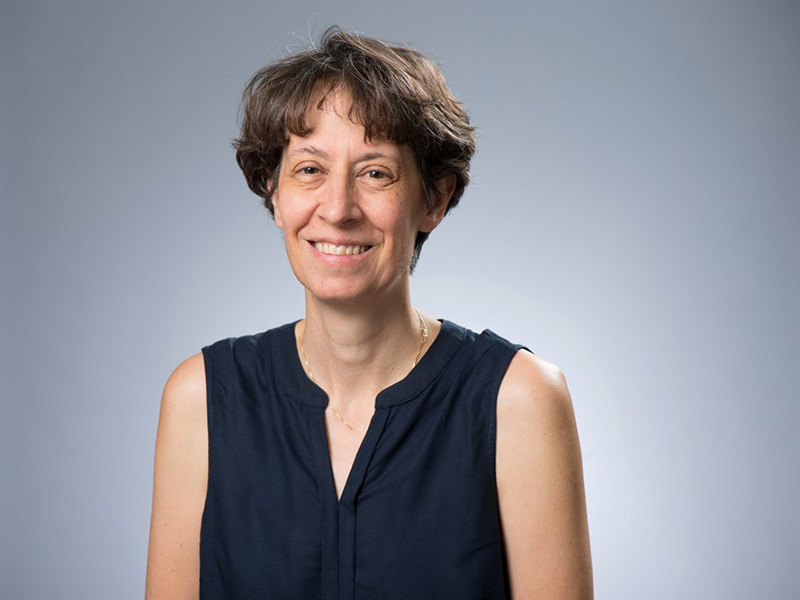
Déla Golshayan is an Associate Professor at the Faculty of Biology and Medicine, University of Lausanne (UNIL), and an active researcher and clinician in the field of immunonephrology and transplantation. She is based at the Laboratory of Transplant Immunopathology at the CHUV Organ Transplant Center, where she serves as head of research and associate physician. Her work integrates clinical and immunological research, with a strong emphasis on kidney transplantation and immune tolerance.
Her research interests include the biology of regulatory T lymphocytes and their role in promoting tolerance in organ transplantation. She investigates the clinical, immunological, and genetic factors influencing transplant rejection and long-term graft survival. Additionally, she studies the mechanisms underlying inflammation and fibrosis in chronic kidney disease and post-transplant settings. She contributes to the Swiss Transplant Cohort Study (STCS), a national initiative collecting longitudinal data from transplant recipients across six major Swiss centers.
Déla Golshayan completed her medical degree (MD) at UNIL in 1999, followed by FMH specialization in internal medicine (2002) and nephrology (2008). She earned a PhD in transplantation immunology from Imperial College London in 2009. Her clinical experience includes roles at CHUV, Hôpital de Sion, and Hammersmith Hospital in London. In 2012, she joined CHUV as head of research in transplant immunopathology and was appointed privat-docent and senior lecturer at UNIL. She was promoted to Associate Professor in August 2018.
She has received no scientific awards listed in the provided text. There is no mention of doctoral or master’s students she may have advised. Her research is supported through institutional and cohort-based frameworks such as the STCS, though specific grants are not detailed. She leads a research team within the Transplant Immunopathology Laboratory, fostering translational research at the intersection of immunology and nephrology. Future work is likely to continue advancing personalized immunomodulatory strategies to improve transplant outcomes and reduce chronic allograft injury.