معرفی
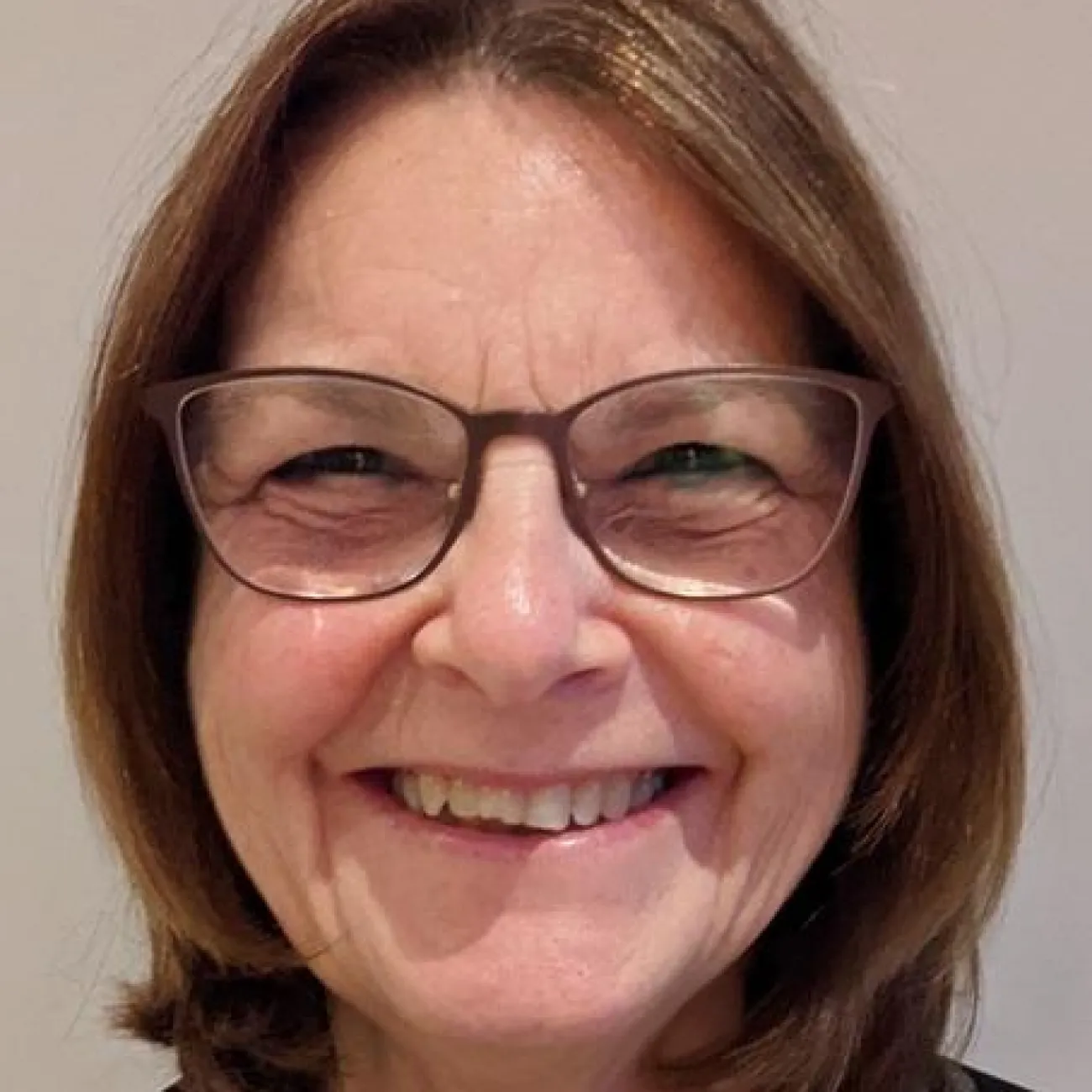
Diane Burns is a Senior Lecturer in Organisation Studies and Head of the Organisation Studies Research Cluster at the University of Sheffield Management School. She joined Sheffield University Management School in October 2012 as a Lecturer in Human Resource Management and Organisational Behaviour, having previously served as Research Fellow at the School of Allied Health Professions, University of East Anglia. Her academic career focuses on the organization and management of social care, particularly examining how structures, processes and dynamics produce and affect care provision and the lives of people who work within or need the support of social care systems across the UK and internationally.
Diane Burns holds the following academic qualifications:
- PhD in Psychology from Manchester Metropolitan University
- MSc in Organisational Psychology from Birkbeck University of London
- BSc Hons. in Psychology from Manchester Metropolitan University
- PGCert. in Teaching & Learning in Higher Education from University of Sheffield
Her research interests concentrate on power and relations of domination in the care space, with four key interconnected areas: workforce issues and job quality in care settings; AI, digitalisation and innovation in care delivery; financialisation and marketisation of social care; and intersubjective epistemologies and participatory approaches in research. She examines how organizational structures, processes and dynamics affect care provision, particularly in social care settings, investigating temporality, digitalisation, corporate colonisation and instability in social care organizing, with critical attention to how these factors impact both care workers and recipients of care services.
Analysis of Dr. Burns' recent publications reveals a consistent evolution of her research focus toward the intersection of organizational dynamics and social care delivery under increasing financial and technological pressures. Her work demonstrates growing attention to temporal arrangements in homecare, the financialization of elder care, and innovative service models, while maintaining a critical perspective on power dynamics and corporate influence. A notable trajectory shows her expanding interest in AI-driven solutions for workforce shortages, as evidenced by her current ESRC-funded project examining AI-driven technology in homecare across the UK, Finland and Sweden, while continuing to investigate participatory research methods to understand care home culture and worker experiences.
Her scholarly contributions have been recognized with awards including:
- Best Paper Award at the 8th International Organisational Behaviour in Healthcare Conference (2012)
Diane Burns actively supervises PhD students including Kevin Burrows (Doctoral Associate in Accounting and Finance) and Amrithavally Thaivalappil Ramakrishnan (Doctoral Researcher in Organisation Studies), having previously guided Arbaz Kapadi, Juan Pablo Winter, and Rosie Westerveld to completion. She leads significant research initiatives including:
- ESRC (JPI MYBL) 2025-2028: "AI-driven platform care: Promoting equal and inclusive job quality in long-term care" (£377,000)
- ESRC 2021: "Centre for Care" (£4.5 million)
- ESRC 2017-2021: "Sustainable Care Research Programme" (£2 million)
- Wellcome Trust 2016-2017: "Doing Care Differently" (£49,793)
- Department of Health & Comic Relief 2012-2013: "Care Home Organisations Implementing Cultures of Excellence" (£550,000)
As Head of the Organisation Studies Research Cluster at Sheffield University Management School, Dr. Burns leads collaborative research efforts examining organizational dynamics in healthcare and social care settings. Her work frequently involves international partnerships, particularly with researchers in Finland and Sweden for her current ESRC-funded project on AI-driven technology in homecare. She maintains strong connections with the Work, Employment and Organisations research group and has established research networks across European institutions focused on understanding comparative social care systems and innovative care delivery models under financial constraints.