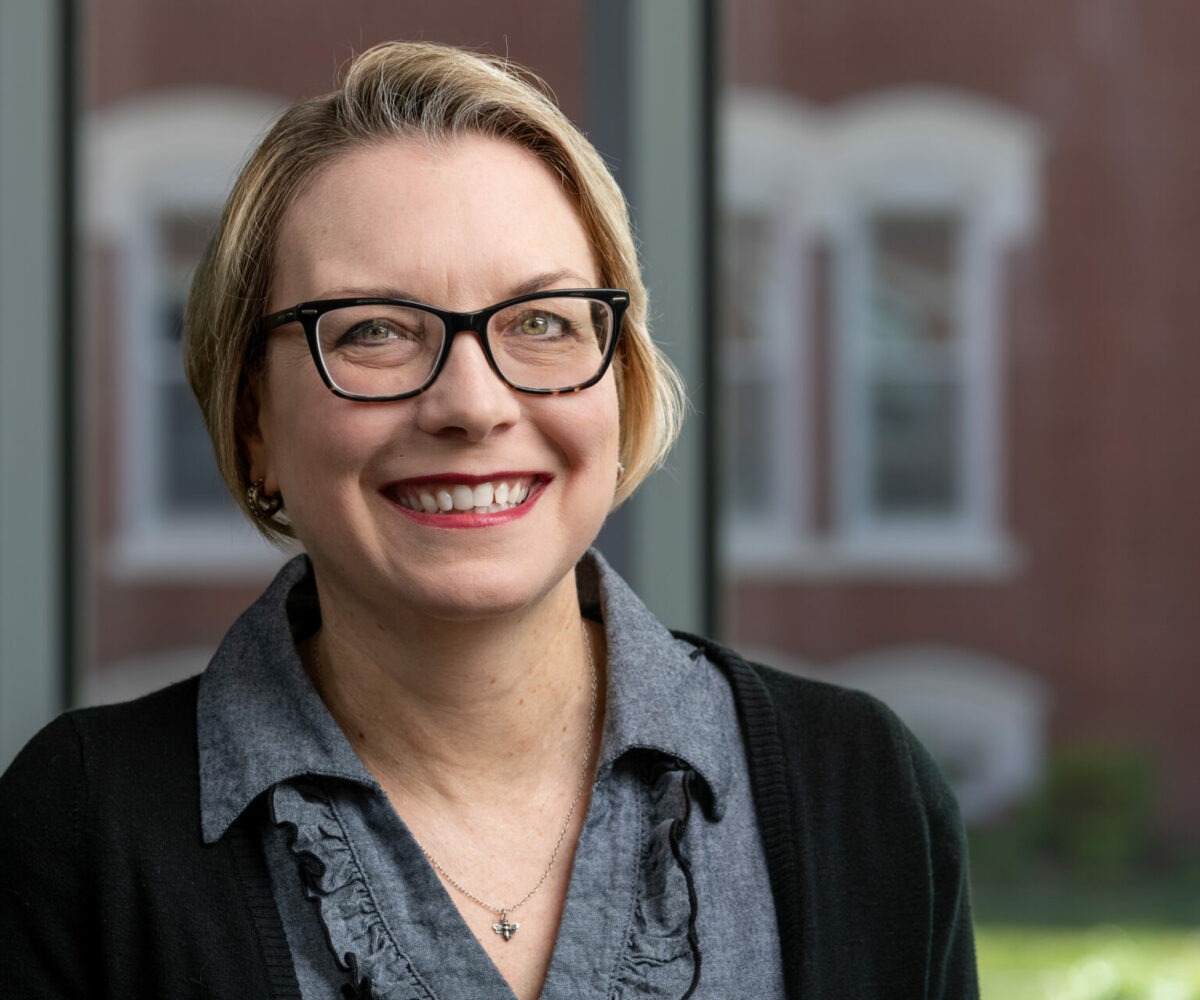
Devori B. Kimbro
مدرس · Early Modern English Literature
The University of Tennessee at Chattanoogaمعرفی
Devori B. Kimbro serves as an Associate Lecturer in the Department of English at the University of Tennessee at Chattanooga. Her academic foundation includes a BA and MA in English and History from Idaho State University, followed by a PhD in English from Arizona State University (2015).
Educational Background:
- PhD in English, Arizona State University, 2015
- MA in English and History, Idaho State University
- BA in English and History, Idaho State University
Kimbro's research synthesizes Early Modern English Literature with contemporary cultural analysis, specializing in Cultural Trauma theory applied to Shakespearean drama (particularly Macbeth), Foxe's Acts and Monuments, and anti-Catholic polemics. She innovatively extends this framework to Taylor Swift's songwriting as literary self-fashioning and explores digital humanities through Shakespeare podcasting. Her work consistently examines intersections between historical trauma and modern phenomena, including pandemic responses.
Recent publications (2023-2024) reveal a cohesive scholarly trajectory: the 2023 analyses of Macbeth and Foxe's text establish her authority in early modern trauma studies, while the 2024 Taylor Swift chapter demonstrates cross-temporal applicability of her methodology. The 2020 plague/COVID comparative study and 2019 podcasting research highlight her commitment to bridging historical scholarship with urgent contemporary discourse through digital platforms.
No scientific awards are documented in available records.
Kimbro actively shapes academic community through service leadership as Non-Tenure Track Committee Chair and General Education Committee member, while mentoring new faculty and reviewing SEARCH award proposals. Her editorial work for Routledge and Cambridge University Press indicates scholarly stewardship beyond classroom teaching.
As founder and chair of the English Matters Podcast, she cultivates a dynamic public humanities space that transforms academic research into accessible cultural conversations, exemplifying her commitment to democratizing literary scholarship.