معرفی
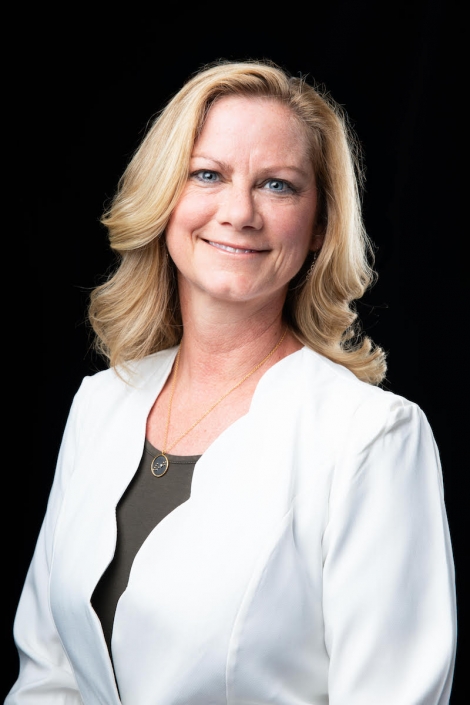
Dr. Denise M. Martz is a Professor in the Department of Psychology at Appalachian State University's College of Arts and Sciences. She leads a women's health lab focused on critical issues related to body image, fat talk, interpersonal violence, and eating disorders among diverse populations.
Education
- Ph.D. in Clinical Health Psychology, Virginia Tech, 1994
- M.S. in Clinical Health Psychology, Virginia Tech, 1991
- Clinical Psychology Internship specializing in Behavioral Medicine, Medical University of South Carolina, 1993-1994
- B.S. in Honors Psychology, Virginia Tech, 1989
Research Interests
Dr. Martz's research spans several critical areas in women's health psychology. Her primary focus is on "fat talk" and body snarking as veiled adversaries for modern women, examining how these phenomena contribute to internalized sexism and hinder feminist activism. She also investigates interpersonal violence (IPV) and its disproportionate impact on women and minoritized groups, with particular attention to how IPV affects women with eating disorders and LGBT high school students. Additionally, Dr. Martz explores unique body image issues experienced by women of color, focusing on skin color dissatisfaction and hair texture dissatisfaction in relation to perceived racism and colorism.
Her groundbreaking book "Fat Talk: A Feminist Perspective" (2019) reconciles historical conflict between evolutionary psychology and feminist scholars to understand how genetics and culture make women's beauty germane and explain fat talking and body snarking as consequences. Her work aims to lead readers in personal reflection and form a feminist agenda of strategic activism to move beyond these toxic forces fueling sexism and misogyny.
Research Trends
Analysis of Dr. Martz's recent publications reveals consistent focus on body image discourse, particularly examining how fat talk permeates various relationships and settings. Her research demonstrates how body dissatisfaction manifests across racial and ethnic lines, and how interpersonal violence intersects with eating disorders. Notably, her work bridges theoretical feminist perspectives with empirical research on everyday behaviors, showing how seemingly casual conversations about appearance have profound psychological consequences. Recent publications increasingly examine cross-generational transmission of body image concerns and the impact of fat talk on relationship satisfaction.
Professional Contributions
- Developed culturally sensitive measures for capturing body image concerns in women of color
- Created training interventions for healthcare providers on screening and intervening in cases of interpersonal violence
- Featured in popular press outlets including Psych Central, Operation Beautiful, Bottom Line, and Our Bodies Ourselves
- Authored "10 Ways to Stop Fat Talk" providing practical strategies for everyday life