معرفی
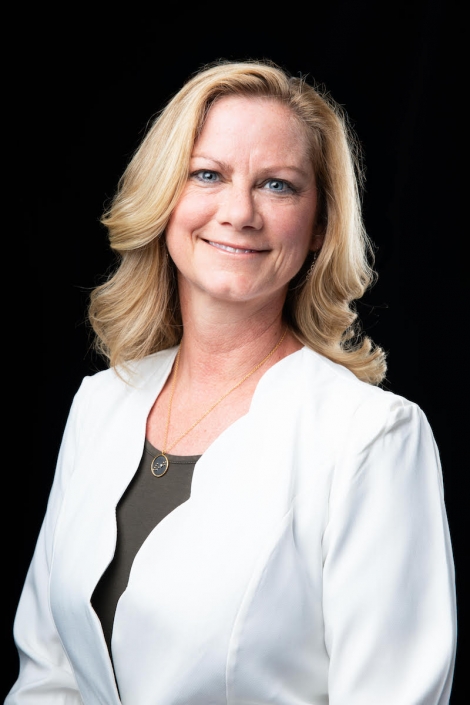
Renee Engeln is a Professor of Instruction in the Department of Psychology at Northwestern University's Weinberg College of Arts and Sciences. She directs The Body and Media Lab (BAM), which conducts research on women's body image issues with a focus on cultural practices that shape women's relationships with their bodies. Her work bridges academic research and public discourse, as evidenced by her book "Beauty Sick" and regular media appearances.
Dr. Engeln's primary research interests include:
- Objectification Theory and its applications across different social contexts and groups
- Reactions to idealized media images of women's bodies
- Online body positivity messaging and its psychological effects
- Negative body talk and its impact across demographics
- The relationship between exercise and body image
Her research portfolio shows consistent focus on how cultural and media influences affect women's body image across various contexts. Recent work has examined social media's impact on body dissatisfaction, the effectiveness of body-positive interventions, and how self-objectification reduces the psychological benefits of exercise for women. Her studies often employ diverse methodologies including experimental designs, survey research, and scale development.
Dr. Engeln has received recognition for her work including:
- Authoring the influential book "Beauty Sick: How the Cultural Obsession with Appearance Hurts Girls and Women" (2017), published in multiple languages
- A TEDx talk with over 500,000 views on YouTube
- Regular contributions to major media outlets including The New York Times, Chicago Tribune, BBC, and Huffington Post
- A popular Psychology Today blog focusing on body image issues
As an educator and researcher, Dr. Engeln maintains an active laboratory (BAM) that trains students in research methods while investigating critical issues at the intersection of psychology, media, and women's health. Her work has significant implications for understanding how cultural forces shape women's psychological well-being and for developing interventions to promote healthier body image.