معرفی
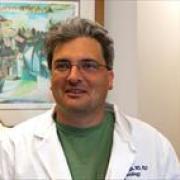
Dean W. Felsher is a Professor of Medicine (Oncology) and of Pathology at Stanford University School of Medicine. He holds multiple leadership roles, including Director of Translational Research and Applied Medicine, Co-Director of the Cancer Nanotechnology Program, Director of Admissions for the Medical Scientist Training Program, and Co-Director of the Spectrum KL2 Mentored Development Program. He is a member of several prestigious Stanford institutes: Bio-X, Maternal & Child Health Research Institute (MCHRI), Sarafan ChEM-H, and the Stanford Cancer Institute.
His research focuses on oncogene addiction, particularly the MYC oncogene, and its role in cancer initiation, maintenance, and immune evasion. His laboratory investigates mechanisms involving self-renewal, metabolism, immune system interactions, protein biogenesis, microbiome, and extracellular vesicles. They are developing novel therapeutics (small molecules, nanoparticles, peptides) and diagnostic tools (PET, mass spectrometry, nanoproteomics).
His recent publications highlight significant contributions in MYC-driven immune evasion via glycoimmune checkpoints, nucleocytoplasmic transport as a therapeutic vulnerability, macrophage-mediated resistance in minimal residual disease, and modulation of the microbiome to enhance virotherapy. These works reflect a strong trend in integrating molecular oncology with immunology and translational technologies.
Scientific Awards:
- Elected Member, Association of American Physicians (2011)
- Translational Research Award, Burroughs Wellcome Trust (2005-2011)
- Elected Member, American Society of Clinical Investigation (2005)
- Clinical Investigator Award, Damon Runyon Foundation (2003-2008)
- Charles Carrington Prize, Stanford University (2002)
- Esther Ehrman Faculty Scholar Award, Stanford University (2000-2003)
- Physician Post-Doctoral Award, Howard Hughes Medical Institute (1997-1999)
- Emil Bogen Award, University of California, Los Angeles (1992)
- Honors, University of Chicago (1985)
Dr. Felsher mentors several postdoctoral fellows and graduate students and is actively involved in education, teaching courses in drug development, translational medicine, and biotechnology. He has led or participated in multiple clinical trials related to cancer therapeutics and diagnostics, though currently none are recruiting. His work is supported by his leadership roles and affiliations with major research centers at Stanford.
His laboratory, the Felsher Laboratory, is a hub for interdisciplinary cancer research, bridging basic science discoveries with clinical applications. The team works on multiple fronts: understanding fundamental oncogenic mechanisms, developing novel therapeutic strategies, and creating advanced diagnostic platforms to improve cancer detection and treatment response prediction.
حوزههای پژوهشی