معرفی
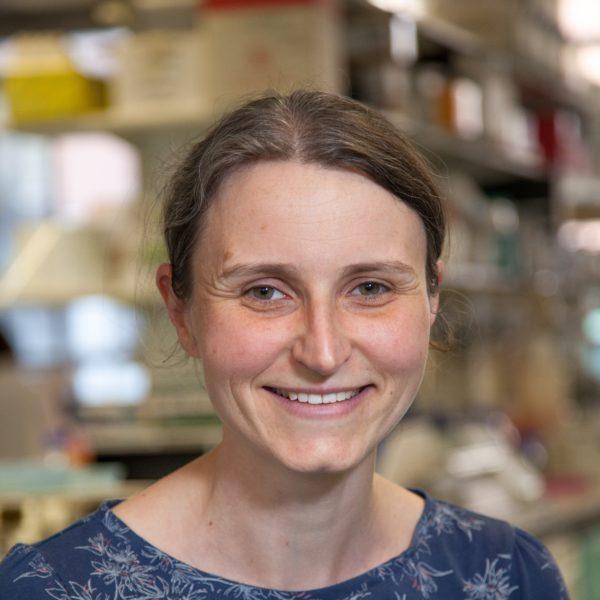
Dr. Dea Slade is a faculty member at the University of Vienna, affiliated with Max Perutz Labs and the Department of Biochemistry and Cell Biology within the Faculty of Life Sciences. With an active research career spanning from 2012 to the present, Dr. Slade serves as principal investigator on multiple research projects including the currently active "Genome Instability" project (2024-2028) and previously led the "Structural and functional characterization of SPOC domains" project (2019-2022).
Dr. Slade's research focuses on protein structure, DNA repair mechanisms, and genome instability. Their work contributes to several UN Sustainable Development Goals, particularly those related to health and well-being. Key research areas include protein tertiary structure, glycosidase function, cell-cycle regulation, and DNA-damage response mechanisms. Their fingerprint analysis reveals significant expertise in Protein Tertiary Structure (100%), Glycosidase (80%), C-Terminus (75%), Proliferating Cell Nuclear Antigen (70%), Polymerase (65%), and Histone-related research (50%).
Dr. Slade has published 16 research articles with recent publications appearing in high-impact journals including Nature Photonics (2024), EMBO Molecular Medicine (2023), and Genes and Development (2023). Their publication record shows consistent output from 2016 through 2024, with multiple publications per year in recent periods. Research trends indicate a strong focus on molecular mechanisms of DNA repair, protein domain functionality, and cellular responses to genomic stress.
Dr. Slade has secured research funding for seven projects, including six completed and one currently active. Their collaborative network spans multiple institutions and countries, with recent external collaborations visible at the country/territory level. The "Genome Instability" project involves collaborators including Campbell, Bulgheresi, Dammermann, Jantsch, Ellis, Matos, Obenauf, and Schlögelhofer.
Dr. Slade maintains an active research profile with media engagement, including a 2016 press contribution titled "DNA-Schäden: Wenn der zelluläre Notfalldienst versagt" (DNA Damage: When the Cellular Emergency Service Fails), which was picked up by 8 news outlets, blogged by 1 source, and shared by numerous social media users.