معرفی
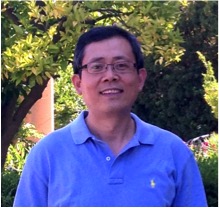
Davide Pozzi is an Associate Professor in the Department of Pharmacology and Nervous System Pathologies at Humanitas University (HUNIMED), Milan, Italy. He is affiliated with the School of Medicine and has also taught at the School of Nursing, contributing to both medical and nursing education in pharmacology.
- PhD in Biotechnology Applied to Medical Sciences, University of Milan (2005)
- Master’s in Biological Sciences (summa cum laude), University of Insubria (2001)
His research centers on the molecular and cellular mechanisms of nervous system disorders, with a focus on synaptic dysfunction, neuroinflammation, and neurodegeneration. Key areas include microglial regulation of synapses, astrocyte-immune interactions, and the role of proteins like Pentraxin 3 and amyloid-β in disease progression.
His recent publications reveal a strong trend in neuroimmunology and synaptic pathology, particularly in models of autism and Alzheimer’s disease. His work integrates molecular neuroscience with immunological perspectives, often using transgenic mouse models and advanced cellular assays.
- Loss of interleukin 1 signaling causes impairment of microglia-mediated synapse elimination and autistic-like behaviour in mice (2024)
- Pentraxin 3 regulates synaptic function by inducing AMPA receptor clustering via ECM remodeling and β1-integrin (2019)
- Amyloid-β 1-24 C-terminal truncated fragment promotes amyloid-β 1-42 aggregate formation in the healthy brain (2016)
- Ectonucleotidase activity and immunosuppression in astrocyte-CD4 T cell bidirectional signaling (2016)
Davide Pozzi has not been mentioned as receiving specific scientific awards in the provided texts, but his publications in high-impact journals indicate significant scholarly recognition.
He has served as an Assistant Professor since 2017 and previously as a Research Scientist at the Humanitas Clinical and Research Center. He has advised or collaborated with numerous researchers and has taught pharmacology across multiple academic programs. There is no mention of direct grant leadership, but his research roles imply involvement in funded projects.
He has contributed to academic service by organizing the International School of Neuroscience in Como (2016) and has been an invited speaker at international symposia, such as in Montpellier (2015) on intracellular trafficking in neurons. His work is likely conducted within collaborative research teams at Humanitas, though specific lab names are not provided.