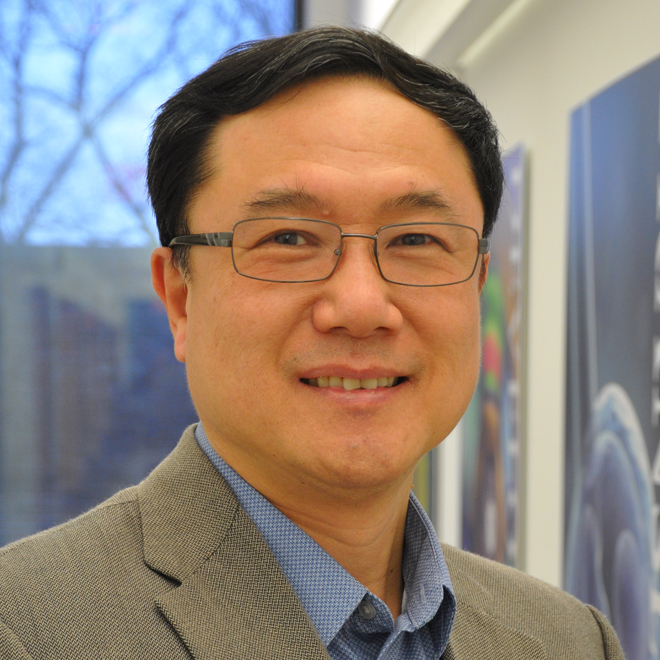
David Pienkowski
دانشیار · Mechanical Properties of Osteoporotic Bone
University of Kentuckyمعرفی
David Pienkowski is an Associate Professor at the University of Kentucky, holding dual appointments in the Department of Orthopaedic Surgery (School of Medicine) and Biomedical Engineering (Center for Biomedical Engineering). He also serves as Executive Director of the Pennsylvania Human Implant Performance Laboratory. His research focuses on the mechanical properties of bone under aging, hormonal changes, and therapeutic interventions, with an emphasis on bisphosphonate effects and chronic kidney disease-related bone disorders. Dr. Pienkowski holds a Ph.D. in Materials Science and Engineering (University of Pennsylvania, 1982) and an MBA (University of Pennsylvania, 1987).
Key research areas include bone quality assessment, implant biomechanics, and material science applications in orthopaedics. He has led major studies on long-term bisphosphonate effects, CKD-MBD pathophysiology, and fracture mechanics. Notable roles include Director of the Orthopaedic Biomechanics Laboratory (1991–2000) and leadership positions in biomedical companies such as LTI Biomedical and IatroMed.
His work bridges clinical practice and engineering, addressing bone material properties, surgical implant optimization, and translational research. Ongoing studies apply artificial intelligence to analyze bone-vascular interactions in CKD patients and investigate microcrack accumulation in long-term bisphosphonate users.
- Education:
- PhD, Materials Science and Engineering, University of Pennsylvania, 1982
- MBA, Management, University of Pennsylvania, 1987
- MSE, Bioengineering, University of Pennsylvania, 1978
- BS, Physics, Villanova University, 1976
- Labs/Teams:
- Executive Director, Pennsylvania Human Implant Performance Lab
- Past Director, University of Kentucky Orthopaedic Biomechanics Lab
- Grants/Projects:
- NIH-funded studies on bisphosphonate efficacy
- Clinical trials for CKD-MBD treatments
- Industry partnerships in implant design optimization
- Future Work:
- AI-driven bone quality prediction models
- Novel biomaterials for osteoporosis treatment
- Long-term implant performance analytics