معرفی
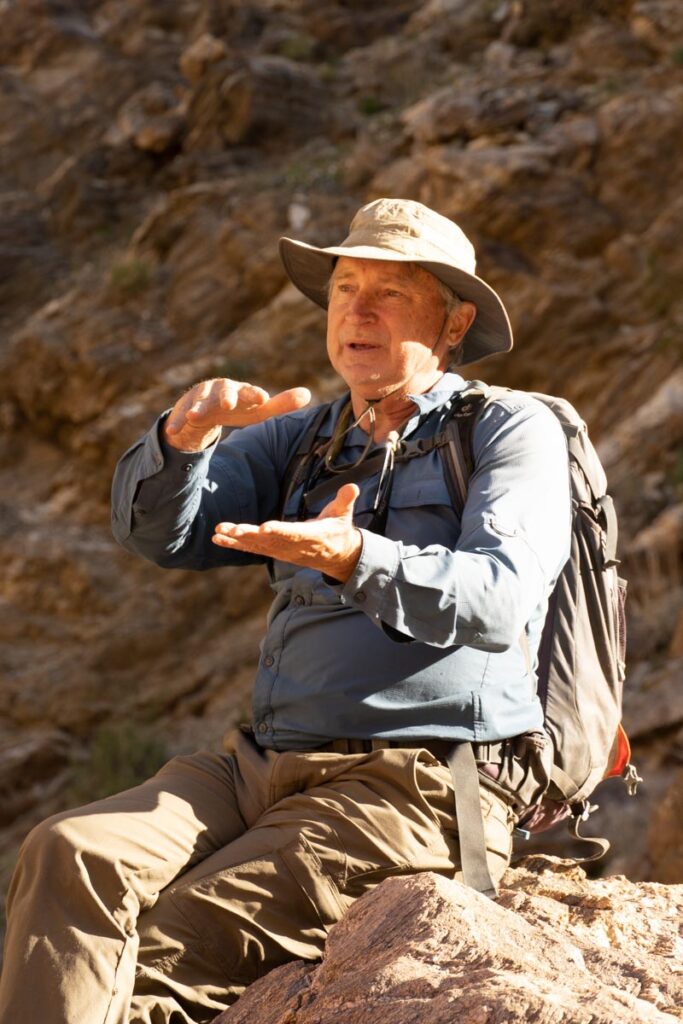
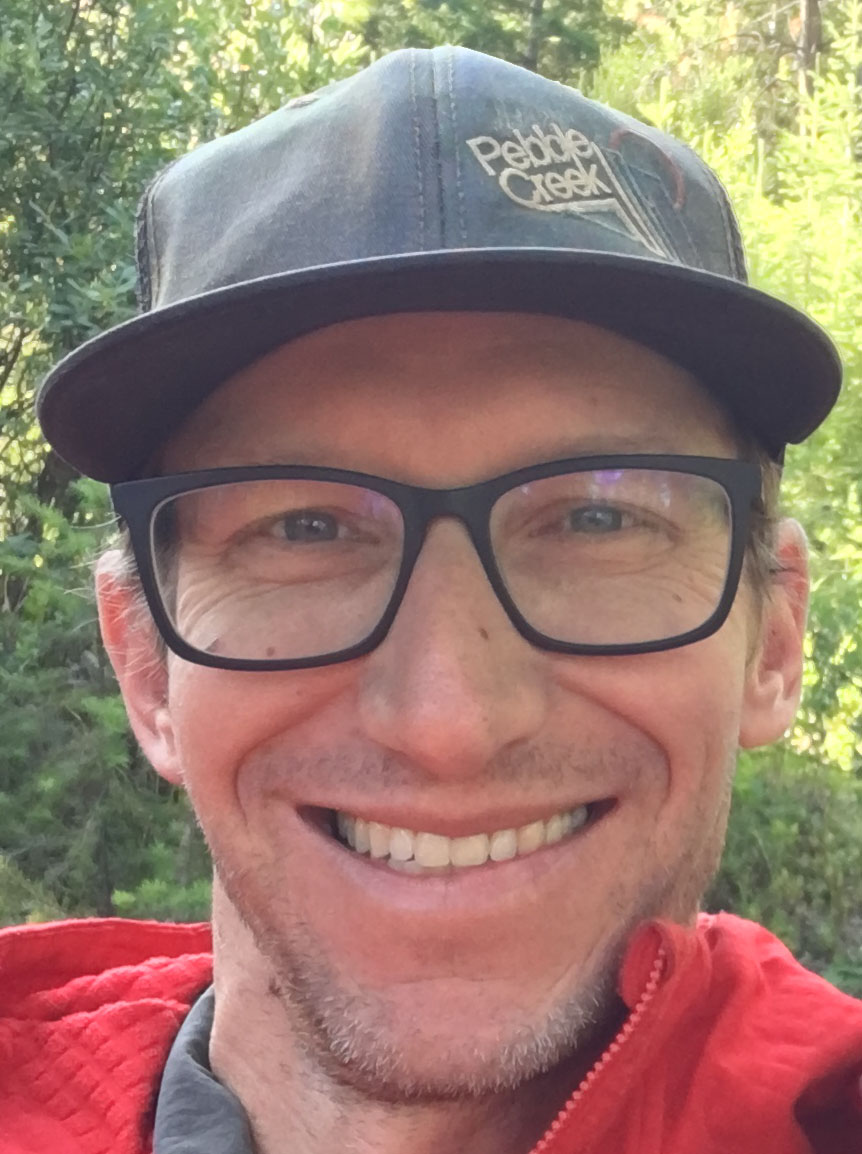
Dave Pearson is a Professor of Geosciences at Idaho State University, where he has served on the faculty since 2012. His research integrates field and laboratory methodologies to investigate lithospheric deformation across spatial scales, with office location in Physical Sciences, Room 215A.
Education:
- Ph.D. in Geosciences, University of Arizona (2012)
- M.S. in Geosciences, University of Arizona (2007)
- B.S. in Geological Sciences, University of California, Santa Barbara (2002)
Research Focus: As a structural geologist specializing in geo- and thermochronology, Pearson examines orogenic structural styles in fold-thrust belts, northern Basin and Range evolution, Rodinian rifting kinematics, and thermochronometric constraints on tectonic timing. His work emphasizes field-based analysis of the Intermountain West, blending microscopic observations with continental-scale tectonic frameworks to unravel deformation histories.
Publication Trends: Recent publications (2021-2025) demonstrate consistent focus on North American Cordillera evolution, particularly Idaho-Montana fold-thrust systems and Basin and Range extension. Pearson frequently employs multi-method thermochronometry to resolve timing of contractional and extensional events, with strong student collaboration evident in co-authored works appearing in Tectonics, Earth and Planetary Science Letters, and Geosphere.
Mentorship Impact: Pearson has directly advised over 20 graduate students through thesis completion, including Ph.D. and M.S. candidates in structural geology and tectonics. His students have produced award-winning geologic maps (USGS Best Student Map Competition winners in 2019-2025), and he actively recruits new students emphasizing scientific curiosity and rigorous field methodology.
Collaborative Network: He maintains dynamic research partnerships with colleagues at Idaho State University and external institutions, leading projects that span from microstructural analysis to regional tectonic synthesis. Current work includes Rodinian rifting studies in western Laurentia and Sevier-Laramide transition dynamics in the Cordillera.