معرفی
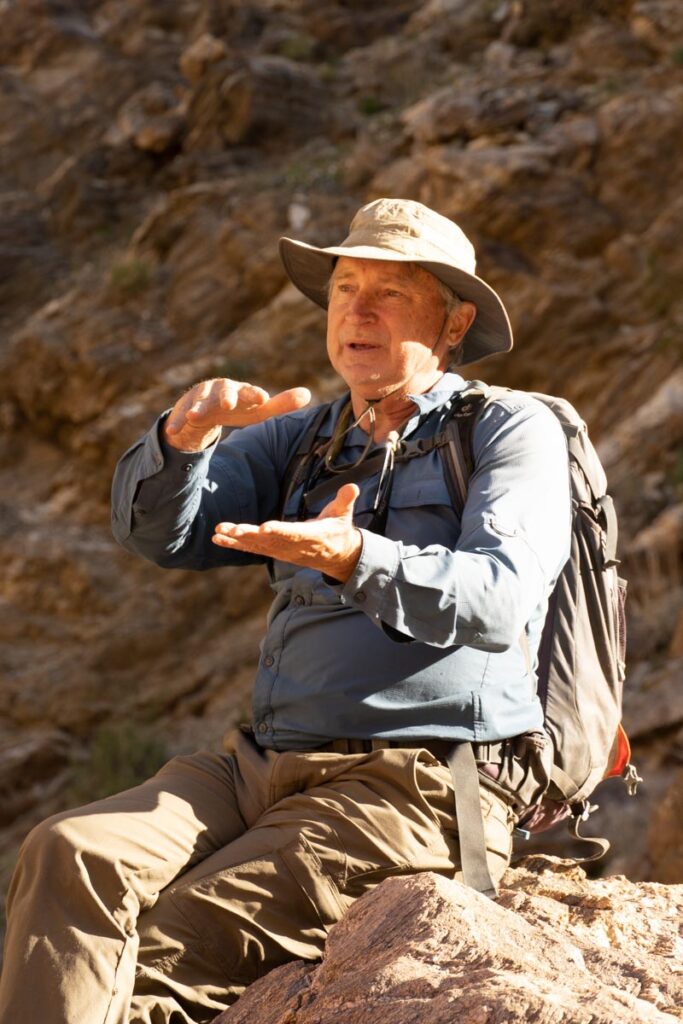
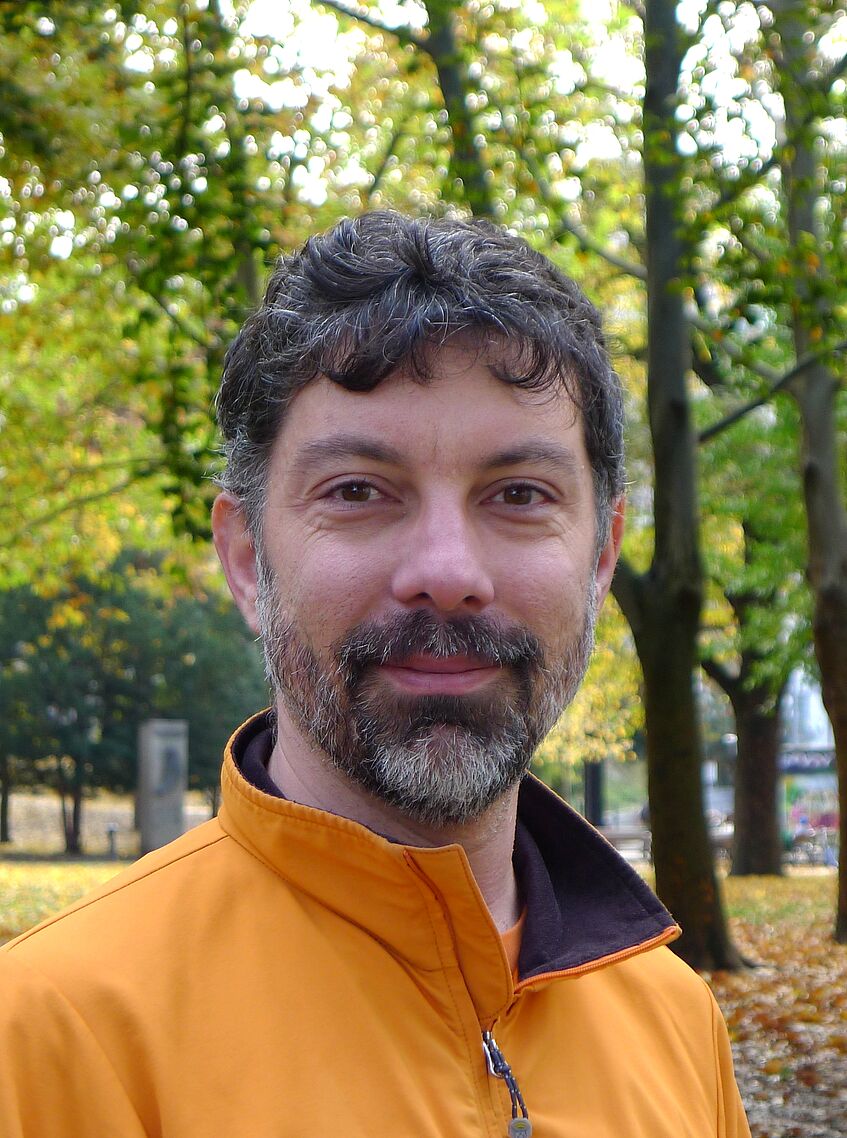
Oscar Fernandez Bellon is a Privatdozent (equivalent to Associate Professor) at the Institute of Geology, Faculty of Geosciences, Geography and Astronomy, University of Vienna. His research focuses on structural geology, tectonics, and salt tectonics, with particular expertise in fold-and-thrust belts and continental passive margins. He maintains an active research program with numerous recent publications and several ongoing projects.
Dr. Fernandez Bellon's primary research interests include:
- Structure, tectono-sedimentary relationships and geodynamics of fold-and-thrust belts
- Continental passive margins
- Salt tectonics
- Naturally fractured reservoir characterization and modeling
- Applied geophysical methods including remote sensing and potential field modeling
His recent research output shows a strong focus on Alpine geology, particularly the Eastern Alps of Austria, with numerous studies examining salt tectonics, structural inheritance from the Variscan orogeny, and the evolution of fold-and-thrust belts. He has also conducted significant research on the Iberian margin, examining its rifting history and structural evolution. His work often integrates field observations with geomechanical modeling approaches, as evidenced by his publications in journals like Tectonics, Marine and Petroleum Geology, and Geology.
Dr. Fernandez Bellon is currently involved in several research projects:
- FFG Bridge 2021: Evaporite tectonics and paleogeography in the Alps of the Salzkammergut (ETAPAS)
- FWF-OPUS-CEUS 2021: Research into anisotropic rocks (POLARIS)
He teaches courses including Introduction to Geomechanics and Engineering Geology, Principles of Geophysics, Doing Science in the 21st Century, Structural Geology and Tectonics, and Geological Mapping in the Field and in Underground Mines. His publication fingerprint analysis shows strong expertise in tectonics (100%), diapir systems (94%), Hercynian Orogeny (69%), passive margins (49%), evaporite geology (46%), the Tarfaya Basin (46%), rifting processes (46%), and Late Jurassic geological evolution (46%).