معرفی
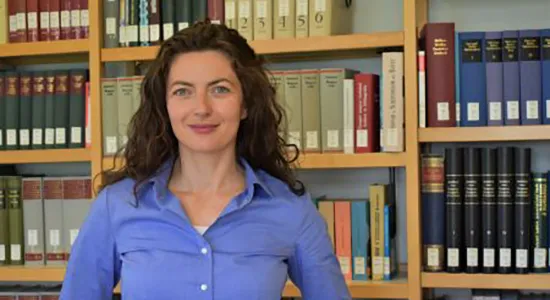
Daniela Simon serves as a private lecturer at the University of Tübingen and research associate at the Institute for Danube Swabian History and Regional Studies (IdGL), where she has been managing director since 2024. Her academic work focuses on Southeast European history, particularly examining German communities through the lens of war, displacement, and cultural hybridity in politically volatile contexts.
Her educational background includes:
- Studies in modern history, political science, and German studies at the University of Duisburg-Essen
- Doctorate from the University of Tübingen (2015) on "Religion and Violence in Eastern Croatia and Northern Bosnia 1941–1945"
- Habilitation completed in 2022 with "The (Threatened) Orders of Diversity. Hybridity in Istria 1870–1910"
Simon's research centers on 19th-20th century Southeast European history, with special emphasis on German communities' experiences during conflict, cultural hybridity in the Habsburg Monarchy, and Yugoslavia's transformation processes. She employs comparative methodologies to analyze ethnic coexistence, memory politics, and identity formation in multilingual border regions, particularly Istria. Her work consistently interrogates how political violence reshapes community belonging and cultural practices.
Recent publications demonstrate sustained focus on Istrian hybridity and wartime religious dynamics, with increasing attention to urban transformation in post-Yugoslav societies. Her scholarship bridges archival analysis of forced conversions during WWII with contemporary memory studies, revealing patterns of ethnic categorization and resistance in Southeast Europe's diverse cultural landscape.
No scientific awards are documented in available sources.
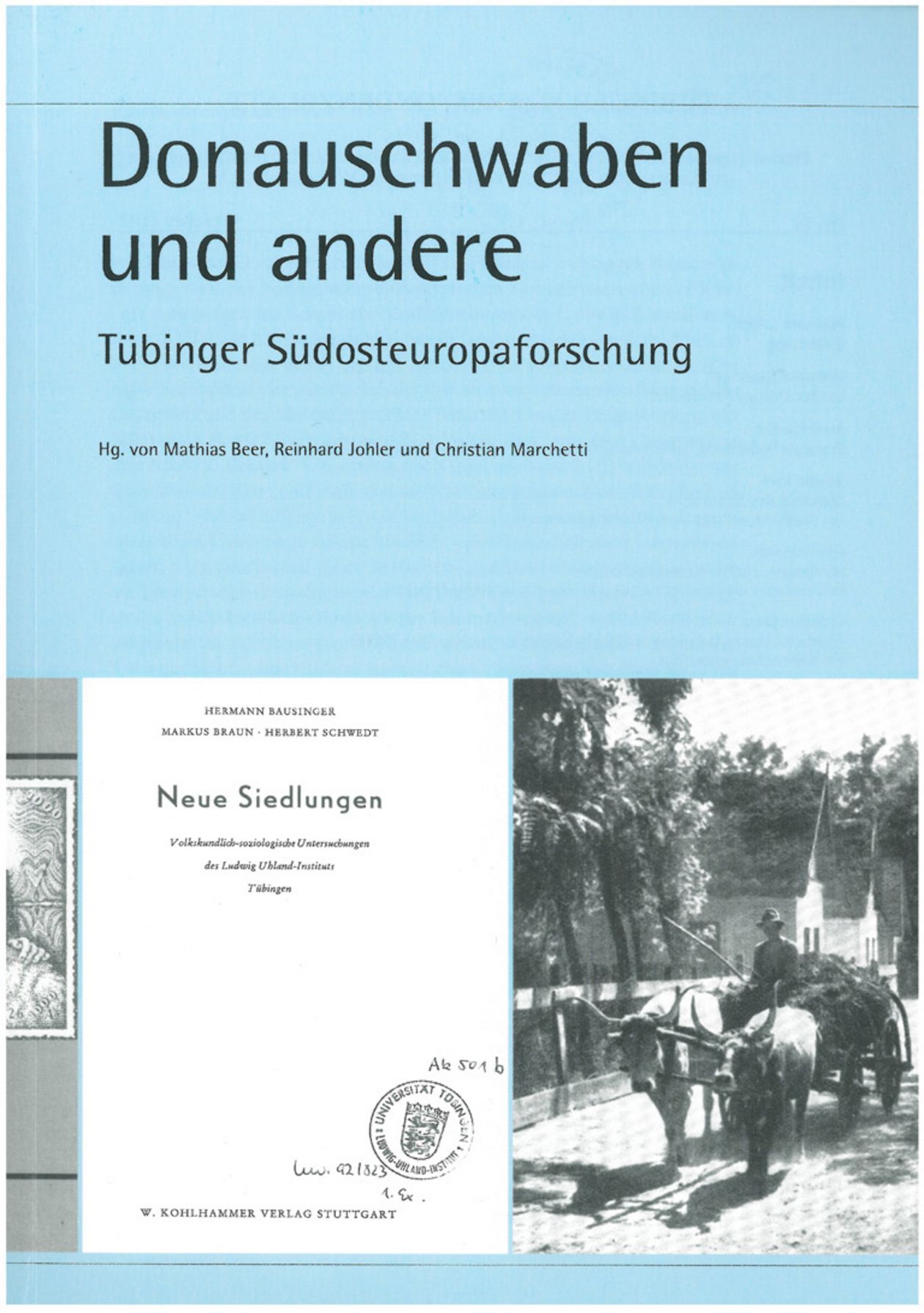
Simon actively contributes to academic discourse through regular teaching at the University of Tübingen on Southeast European history and curation of virtual exhibitions like "Haus von uns. Heimat und Erinnerung der Nachkommen der Donauschwaben" (2023). Her media engagements include radio interviews and television features discussing multiculturality in Istria.
She participates in multiple scholarly networks including the Südosteuropa-Gesellschaft, Austrian Studies Association, and Kommission für Geschichte und Kultur der Deutschen in Südosteuropa, fostering interdisciplinary dialogue on Balkan history and minority experiences.