معرفی
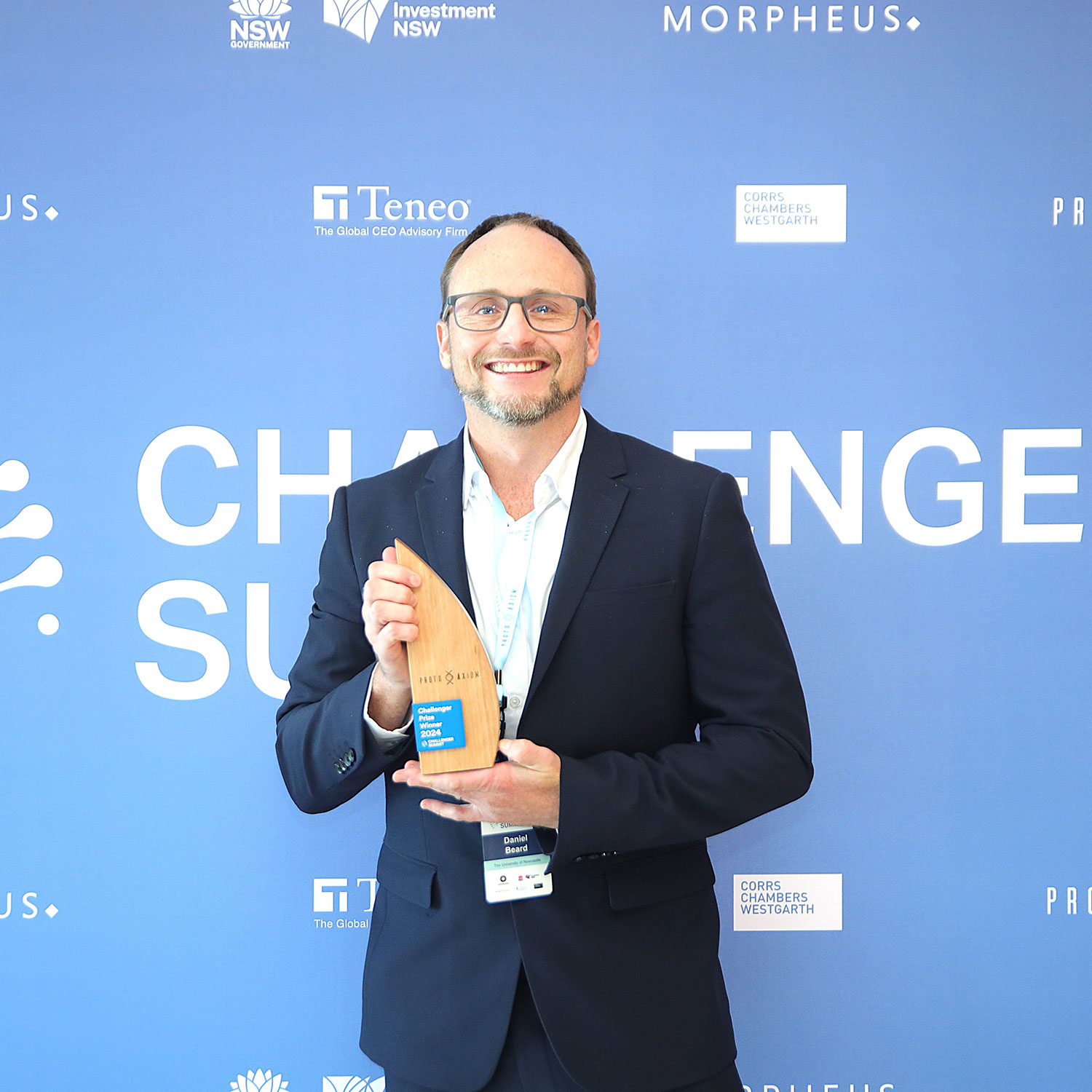
Dr. Daniel Beard is a Senior Lecturer at the University of Newcastle's School of Biomedical Sciences and Pharmacy (Human Physiology). He holds dual roles as a Visiting Scientist at the University of Oxford's Laboratory of Cerebral Ischaemia (since 2019) and Group Leader of the Neurovascular Research Laboratory at the University of Newcastle (2022–present). His research focuses on cerebral blood flow dynamics, stroke pathophysiology, and novel therapies targeting collaterals and pericytes. Beard completed his PhD at the University of Newcastle (2015) under Prof. Neil Spratt, investigating collateral failure mechanisms in stroke. He later held postdoctoral positions at the University of Oxford, where he explored mTOR pathway modulation and developed collaborations with Harvard University on shear-activated nanotherapeutics. His work has been funded by NHMRC Ideas Grants, the Paul Dudley White Scholarship, and international collaborations. Beard is actively involved in teaching, holding roles as a lecturer and tutor at Oxford and Newcastle, and has received multiple teaching awards. His recent breakthrough includes patenting shear-activated nanoparticles to enhance cerebral collateral flow, with plans for commercialization through a spin-out company.
Research interests include neurovascular protection, collateral blood flow mechanisms, mTOR signaling in stroke, hypothermic neuroprotection, and translational nanomedicine. He has over 30 peer-reviewed publications, including high-impact studies in Stroke, Neuroscience Letters, and Frontiers in Physiology. Beard chairs committees like the International Society of Cerebral Blood Flow's Early Career Investigator Committee and leads grants totaling $1.25 million. His current projects involve pericyte function, simvastatin's role in collaterals, and clinical translation of nanotherapeutics.
Key achievements include winning the Challenger Pitch Prize (2024) for stroke technology and the 2024 EMCR Heart Pitch Competition. His work has been featured in news outlets for its potential to revolutionize stroke treatment through targeted therapies improving collateral perfusion.