معرفی
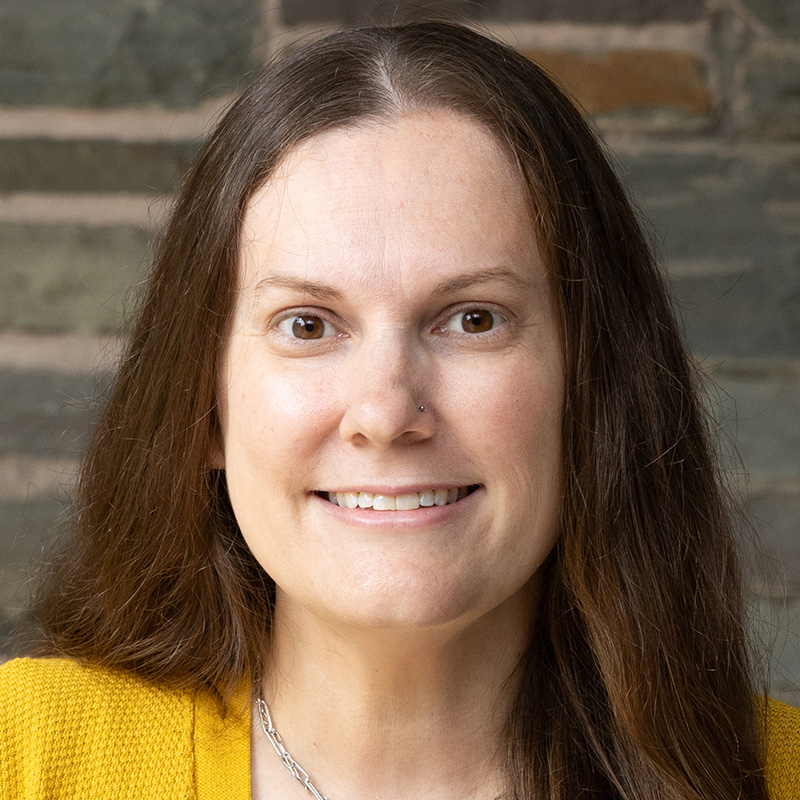
Dana Suskind is Professor of Surgery at the University of Chicago's Pritzker School of Medicine, holding key leadership roles as Co-Director of the TMW Center for Early Learning + Public Health, Director of the Pediatric Cochlear Implant Program, and Founder of Thirty Million Words (TMW). Her work bridges clinical practice with population-level public health initiatives focused on early childhood development.
Her research centers on the critical impact of early language exposure on child brain development, particularly for children from low socioeconomic backgrounds. She develops scalable interventions integrating behavioral economics, human-centered design, and neuroscience to empower caregivers—addressing health disparities through evidence-based programs that have reached over 3,000 Chicago families and expanded nationally. Recent work examines parental belief systems, sustainability of language interventions, and technology-enhanced delivery models.
Dr. Suskind's publication trends (2021-2025) reveal a strategic focus on scaling evidence-based programs, with increasing emphasis on open science practices, math talk interventions, and addressing root causes of educational inequities through shifting parental beliefs—all aimed at transforming pediatric primary care into a platform for early development.
Her significant accolades include:
- John D. Arnold Award for Sustained Excellence (Pritzker School of Medicine)
- Gray Humanitarian Award (Society for Ear, Nose, and Throat Advances in Children)
Her research is sustained through major grants from the PNC Foundation, Hemera Foundation, W.K. Kellogg Foundation, and McCormick Foundation, supporting both intervention development and rigorous evaluation through randomized controlled trials. She mentors a multidisciplinary team at the TMW Center, though specific advisees aren't documented in source materials.
The TMW Center for Early Learning + Public Health serves as her primary research hub, operating at the intersection of pediatrics, public health, and behavioral science. The center employs human-centered design to develop culturally responsive tools like SPEAK (Survey of Parent/Provider Expectations and Knowledge) and leverages pediatric well-visits for scalable interventions—aiming to create population-level shifts in caregiver language behaviors for children birth to five years.