معرفی
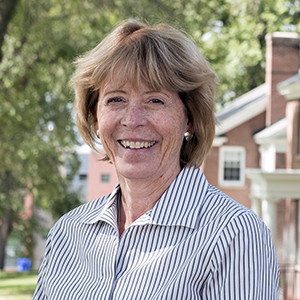
Cynthia Burrows serves as Professor and Thatcher Presidential Endowed Chair of Biological Chemistry at the University of Utah's Department of Chemistry within the College of Science. She also holds membership at the Huntsman Cancer Institute and serves as Editor-in-Chief of Accounts of Chemical Research. Her leadership extends to chairing the Chemistry Department where she spearheaded development of the Thatcher Building, a state-of-the-art biological chemistry research facility.
Her educational background includes a Bachelor of Arts in Chemistry from the University of Colorado, Boulder (1975) and a Ph.D. from Cornell University (1982). Postdoctoral work included research with Nobel laureate Jean-Marie Lehn at Université Louis Pasteur.
Burrows' research centers on oxidative damage to DNA/RNA molecules and their physiological consequences, particularly cancer development. Her laboratory investigates how oxidation alters nucleic acid structures (especially G-quadruplexes), repair mechanisms for thousands of daily cellular damage events, and the epigenetic implications of oxidative modifications. Recent breakthroughs include nanopore-based detection systems developed with Henry White for identifying DNA damage at single-molecule resolution.
Analysis of her 15 most recent publications reveals consistent focus on oxidative DNA damage mechanisms, with particular emphasis on G-quadruplex structures in gene regulation, RNA modification detection via nanopore sequencing, and the dual roles of oxidative lesions as both mutagenic threats and epigenetic regulators. Her work bridges fundamental biochemistry with clinical applications in cancer research.
- Willard Gibbs Medal (2018)
- James Flack Norris Award (2018)
- National Academy of Sciences (2014)
- Utah Governor's Medal (2016)
- Rosenblatt Prize for Excellence (2019)
- AAAS Fellow
- ACS Fellow
Burrows has mentored numerous students reflected in her teaching awards including the Robert W. Parry Teaching Award and Distinguished Teaching Award. She secured funding for five faculty chairs, four named lectureships, and student awards. As a founding leader of the University of Utah Curie Club for Women, she's advanced women in STEM through community building. Her laboratory work continues to explore oxidative damage mechanisms with implications for cancer therapeutics and epigenetic regulation.