معرفی
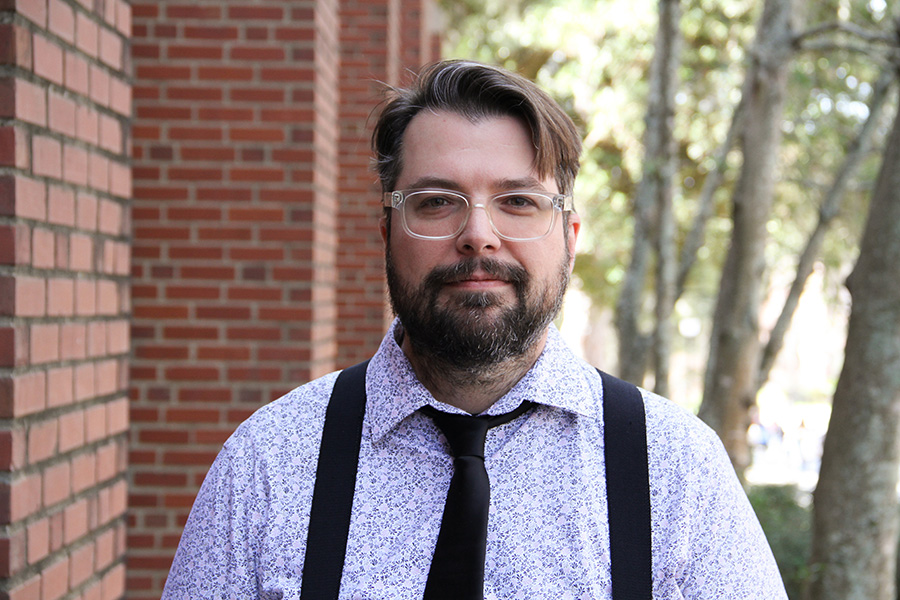
Corey W. Dyck is a Professor and Department Chair in the Department of Philosophy at the University of Western Ontario. He specializes in the history of German philosophy, with an emphasis on the eighteenth century, focusing particularly on Kant and his intellectual context.
- BA from University of British Columbia
- MA from Catholic University of Leuven
- PhD from Boston College (2006)
Dyck's research centers on issues in metaphysics and the philosophy of mind in the period from Leibniz to Kant. His scholarly work reveals a deep engagement with the intellectual landscape of 18th century German philosophy, examining how figures like Wolff, Mendelssohn, and Tetens influenced and were influenced by Kant's developing thought. He is currently working on a monograph entitled The First Fifty Years of German Metaphysics that examines German philosophy from Wolff's German Metaphysics (1720) through to Kant's Inaugural Dissertation (1770).
His recent publications demonstrate a consistent focus on Kant's theoretical philosophy, particularly his metaphysics and philosophy of mind, while also exploring the broader context of 18th century German thought. Dyck has made significant contributions to understanding Kant's development through careful analysis of his relationship to predecessors and contemporaries, shedding new light on the intellectual milieu that shaped critical philosophy.
Dyck regularly teaches graduate courses on all aspects of Kant's philosophy and is interested in supervising graduate students working in any area of the history of German thought (classical and contemporary). He is the chair of the program committee for the North American Kant Society Midwestern Study Group and is associated with the UWO Kant Research Group, which maintains a digital archive of 18th century German philosophical texts.
His scholarly activities extend to editorial work, including editing collections such as Women and Philosophy in Eighteenth-Century Germany (2021), Early Modern German Philosophy (2019), and Kant and his German Contemporaries (2018), which have helped to broaden the canon of German philosophy from this period.