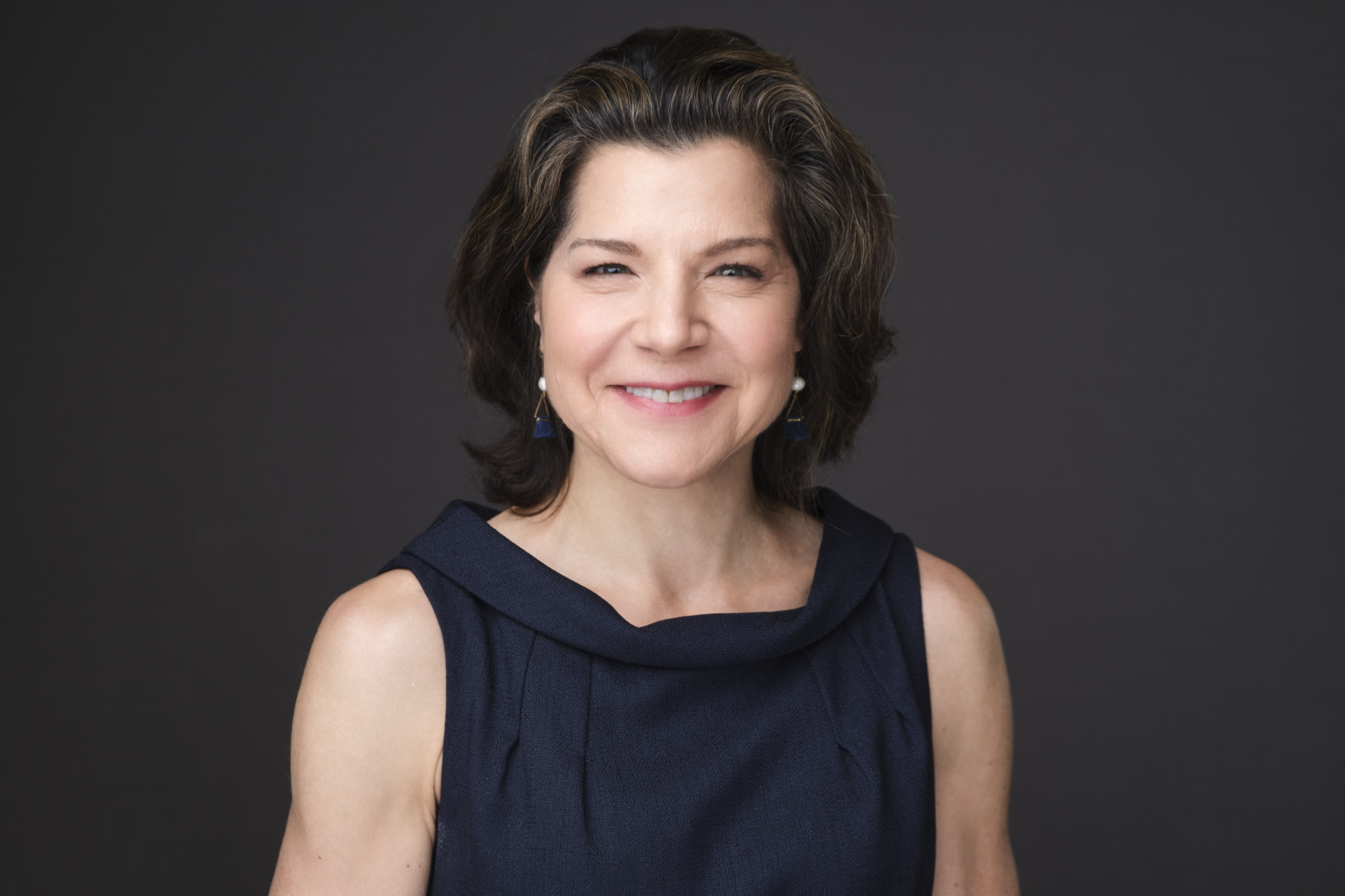
معرفی
Claire Wofford serves as Associate Professor of Political Science at the College of Charleston, where she teaches foundational courses including American Government, Constitutional Law, Civil Liberties, and Equality and the Law. Her dual expertise in law (J.D. from Duke) and political science informs her role in the Pre-Law Advising Program and media commentary for outlets like NPR, The Baltimore Sun, and Politico.
Her educational credentials include:
- Ph.D. in Political Science, Emory University
- J.D., Duke School of Law
- B.A. in Political Science, Wellesley College
Wofford's research critically examines American political institutions through the lens of legal processes, with signature work on Supreme Court dynamics and gender effects in litigation. Her methodology blends qualitative analysis of court documents with experimental approaches to measure perception biases, as seen in her 2023 marital name change study. Current projects investigate how litigants strategically constrain judicial choices and gendered patterns in civil procedure.
Analysis of her 15 publications (2012-2024) reveals three interconnected trajectories: (1) Supreme Court litigation mechanics (7 articles), (2) gender-performance interactions in law/politics (5 articles), and (3) pre-law education (3 articles). This interdisciplinary corpus spans Law & Society Review, Journal of Law & Courts, and Politics & Gender, demonstrating methodological versatility across experimental, comparative, and doctrinal frameworks.
As Pre-Law Advisor, Wofford bridges academic rigor and professional preparation through structured advising documented in her 2016-2017 scholarship on advisor effectiveness. Her media contributions translate complex legal concepts for public audiences, exemplified by The Conversation analyses of Supreme Court procedures. While specific grant history isn't detailed, her sustained publication output in top-tier journals indicates robust scholarly infrastructure.
Her work operates at the nexus of judicial politics and gender studies, with emerging emphasis on how procedural choices (e.g., questions presented, amicus strategies) shape legal outcomes. The Pre-Law Advising Program serves as her primary institutional hub for student mentorship and curriculum development beyond formal classroom teaching.