معرفی
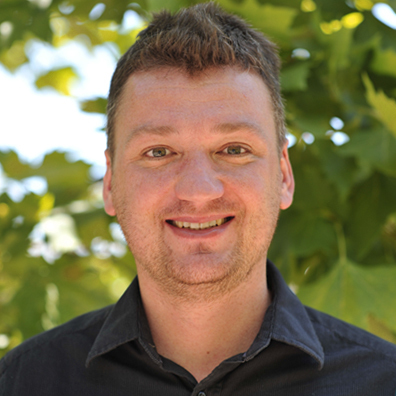
Christopher Patzke is the John M. and Mary Jo Boler Assistant Professor in the Department of Biological Sciences at the University of Notre Dame. His research focuses on human neurons and synapses, particularly their development, function, and role in neuropsychiatric diseases. He leads the Patzke Lab, which utilizes human pluripotent stem cell-derived neuronal models to investigate genetic and molecular mechanisms underlying disorders such as autism, schizophrenia, and epilepsy.
Research Interests: His work centers on synaptic signal transmission, neuromodulation, and the impact of genetic mutations on neuronal communication. He investigates how genes and proteins shape synaptic structure and function, with a focus on cell adhesion molecules and synaptic organizers. His lab combines advanced techniques including CRISPR/Cas9 genome editing, live-cell imaging, biochemistry, brain organoids, and electrophysiology.
Recent Research Trends: Analysis of his recent publications reveals a consistent focus on synaptic vesicle dynamics, neuromodulatory pathways (e.g., cannabinoid and retinoic acid signaling), and the functional consequences of mutations in genes such as SHANK3, STXBP1, and RIMBP1. His research bridges molecular neuroscience with human disease modeling, emphasizing translational relevance.
- Scientific Awards: No specific awards are mentioned in the provided text.
Advising and Grants: Dr. Patzke mentors a diverse team of graduate students, research associates, and undergraduates in his lab. He teaches advanced courses in neurobiology and stem cell models, including BIOS 30338 (Advanced Neurobiology) and BIOS 60570 (Stem Cell-Derived Neurons). His lab actively recruits students and postdocs, emphasizing inclusive and collaborative research culture. While specific grants are not listed, his extensive publication record suggests active funding support.
Labs and Teams: The Patzke Lab at Notre Dame is a vibrant research group focused on human cellular neuroscience. The lab fosters a creative and inclusive environment, with ongoing projects in synaptic biology, disease modeling, and neurodevelopment. Lab members include graduate students, research technicians, and undergraduates from diverse backgrounds.