معرفی
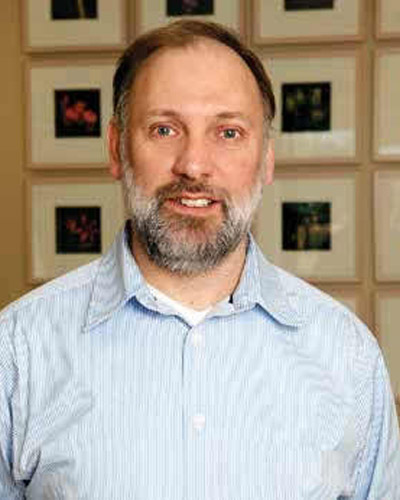
Christophe D'Enfert is a Professor at the Institut Pasteur in Paris and Head of the Fungal Biology and Pathogenicity Unit, which is part of the Department of Mycology. He also holds affiliations with the Department of Genomes and Genetics at Institut Pasteur and the Department of Microbiology and Food Chain at INRAE (USC 2019). His research focuses on the molecular mechanisms of fungal pathogenesis, particularly in Candida albicans, a leading cause of hospital-acquired fungal infections.
His research interests include medical mycology, fungal pathogenesis, host-pathogen interactions, microbial genomics, biofilm biology, and antifungal resistance. He investigates three main areas: genomic diversity in C. albicans, colonization of surfaces by biofilms, and regulation of morphogenesis. His work aims to improve the clinical management of invasive candidiasis through better understanding of fungal virulence and host interactions.
The recent articles published by his team reflect a strong emphasis on functional and population genomics, transcriptional regulation, fungal cell wall biology, host-microbiota interactions, and the molecular basis of fungal virulence. These studies frequently involve collaborations across Europe and utilize cutting-edge techniques such as RNAseq, whole-genome sequencing, and high-throughput screening.
- Coordinator of the FunHoMic Marie Skłodowska-Curie Innovative Training Network
- Recipient of EU funding (Marie Curie ITN)
- Recipient of Swiss National Science Foundation funding (Sinergia program)
Christophe D'Enfert supervises several PhD students and postdoctoral researchers. He leads multiple funded research projects including studies on C. albicans genomic diversity, biofilm formation, morphogenesis regulation, and the fungus-host-microbiota interplay. He is also involved in teaching, notably the Pasteur Course on Molecular Genetics and Epigenetics and the Medical Mycology MOOC. His laboratory benefits from advanced equipment such as plate readers, colony counters, flow cytometers, and robotic colony pickers.