معرفی
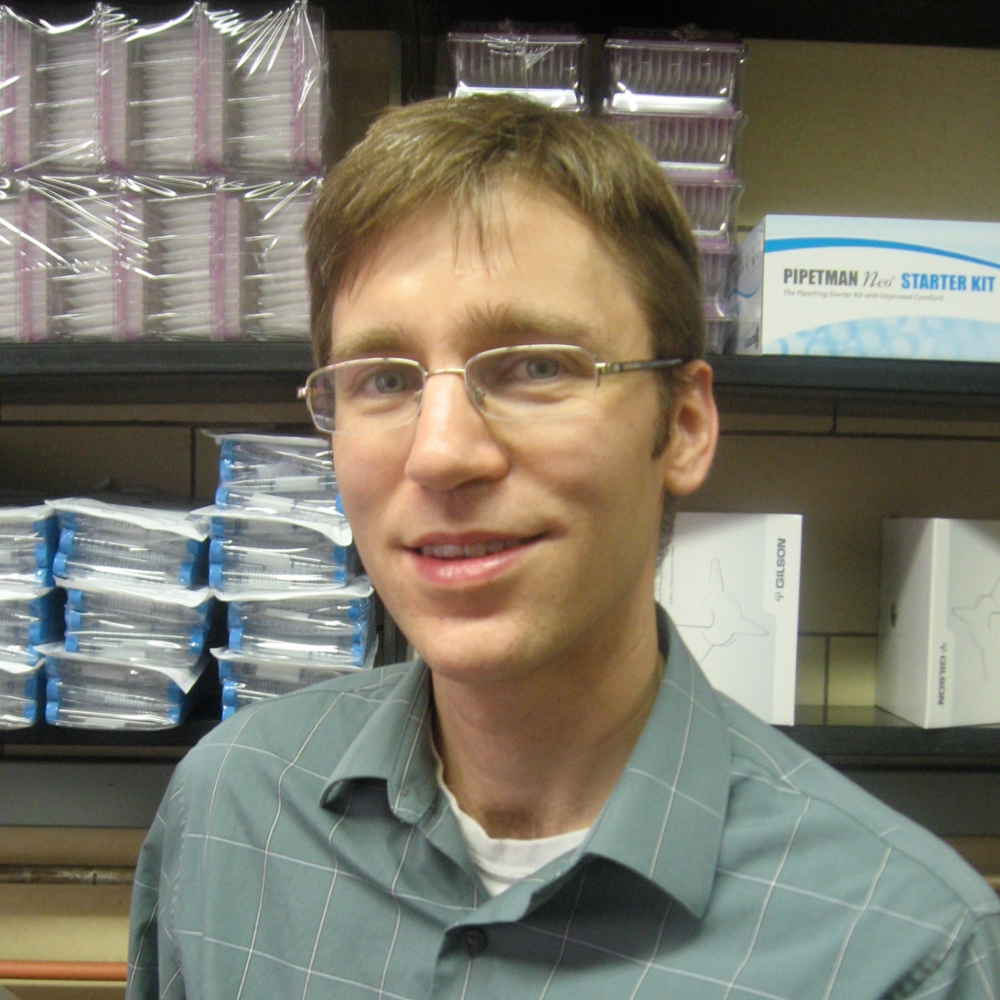
Sophie Bachellier-Bassi is a Research Fellow at the Institut Pasteur in Paris, France, where she conducts research on fungal biology and pathogenicity, with a specific focus on Candida albicans. She is affiliated with the Fungal Biology and Pathogenicity Unit and serves as Head of Research for the Molecular Genetics and Epigenetics course at the Pasteur Institute since 2010.
Dr. Bachellier-Bassi obtained her PhD at the Institut Pasteur studying repeated sequences of the bacterial genome in the laboratory of Prof. Maurice Hofnung under the supervision of Prof. Eric Gilson. She then completed a postdoctoral fellowship at the University of Dundee (UK) in the laboratory of Prof. David Lilley, investigating the regulation of transcription by DNA supercoiling in Escherichia coli.
Her research focuses on the regulatory mechanisms of morphogenesis and biofilm formation in the pathogenic yeast Candida albicans. She has made significant contributions to understanding the molecular mechanisms underlying C. albicans pathogenicity, including studies on cell wall structure, metabolic reprogramming during biofilm formation, transcription factor regulation, and host-pathogen interactions. Her work bridges molecular microbiology, fungal genetics, and host immune responses.
Analysis of her recent publications reveals a consistent focus on C. albicans pathogenesis, with particular attention to biofilm formation, morphological transitions, and the molecular mechanisms that enable this opportunistic pathogen to thrive in diverse host environments. Her research increasingly incorporates advanced imaging techniques, genetic approaches, and metabolic profiling to unravel the complex regulatory networks governing fungal virulence.
Dr. Bachellier-Bassi serves as Principal Investigator for the HelPath project and contributes to several other research initiatives at the Institut Pasteur, including studies on C. albicans colonization of surfaces, regulation of morphogenesis, and the CANDIHUB project focused on Candida species responsible for invasive fungal infections.