معرفی
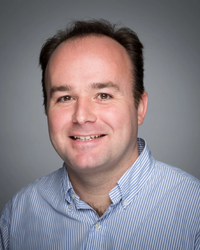
Dr. Chozha Vendan Rathinam serves as Associate Professor in Pharmacology & Physiology at the University of Maryland School of Medicine and heads the Laboratory of Stem Cell & Cancer Biology at the Institute of Human Virology. His research bridges stem cell biology, immunology, and HIV pathogenesis with significant contributions to understanding inflammatory circuits in hematopoiesis.
His educational background includes:
- Ph.D. (Dr. rer. nat.) from Hannover Medical School, Germany under Dr. Christoph Klein, focusing on Gfi1 in dendritic cell differentiation
- Postdoctoral training at Yale University School of Medicine with Dr. Richard Flavell, discovering roles of ubiquitination in hematopoietic stem cell maintenance
Dr. Rathinam's research centers on molecular mechanisms of stem cell pathology and HIV-induced hematopathology, with emphasis on:
- NF-κB signaling pathways in hematopoietic defects
- Impact of HIV on hematopoietic stem cells in exposed infants
- Neuro-immune crosstalk following traumatic brain injury
- Dendritic cell differentiation in inflammatory disorders
Analysis of his recent publications reveals dominant themes in hematopoietic stem cell regulation and HIV-related immunopathology, frequently utilizing humanized mouse models to study human hematopoiesis. His work consistently explores ubiquitination pathways, inflammatory signaling, and viral impacts on stem cell function.
His scientific recognition includes:
- 2015 BD Immunology Award
- 2014 Leukemia Research Foundation New Innovator Award
- 2007 University of Tübingen Best Ph.D. Thesis Award
- 2005 ASH Travel Award
- 2000 SASTRA University Research Award
Dr. Rathinam actively mentors trainees and secures major grant funding, including current NIH/NIAID projects totaling over $4.1M. His laboratory investigates four key areas: HIV-exposed infant immunology, HIV-induced hematopathology, innate immune defects in HIV, and brain-bone marrow crosstalk after neural injury. He maintains leadership of the Stem Cell & Cancer Biology Laboratory focusing on translational applications of stem cell pathologies.