معرفی
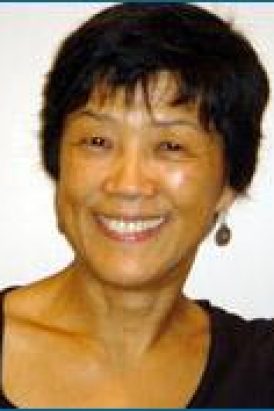
Cheong-Hee Chang is a Professor of Microbiology & Immunology at the University of Michigan's Medical School. Their research focuses on understanding the molecular and cellular mechanisms governing immune function, particularly in innate T cells such as iCD4 T cells and natural killer T (NKT) cells. Key areas include signaling pathways (mTOR, SLAM, Wnt), cellular metabolism (ROS, glycolysis, iron regulation), and their roles in immune responses and immunopathogenesis.
Education: PhD in Microbiology from the University of Virginia (1989), MS and BS in related fields from Seoul National University (1979, 1977). Research highlights include investigating how metabolic pathways influence T cell survival, effector functions, and inflammatory responses. Current projects explore antioxidant pathways (Cul3-Keap1-Nrf2), iron homeostasis, and glutamine dependency in T cells.
Affiliations include the Global REACH Center and the Center for Global Health Equity. Their work bridges immunology and metabolism, emphasizing how cellular metabolism modulates immune outcomes. Recent findings reveal critical roles for Cullin 3 and metabolic regulators in T cell development and function.