معرفی
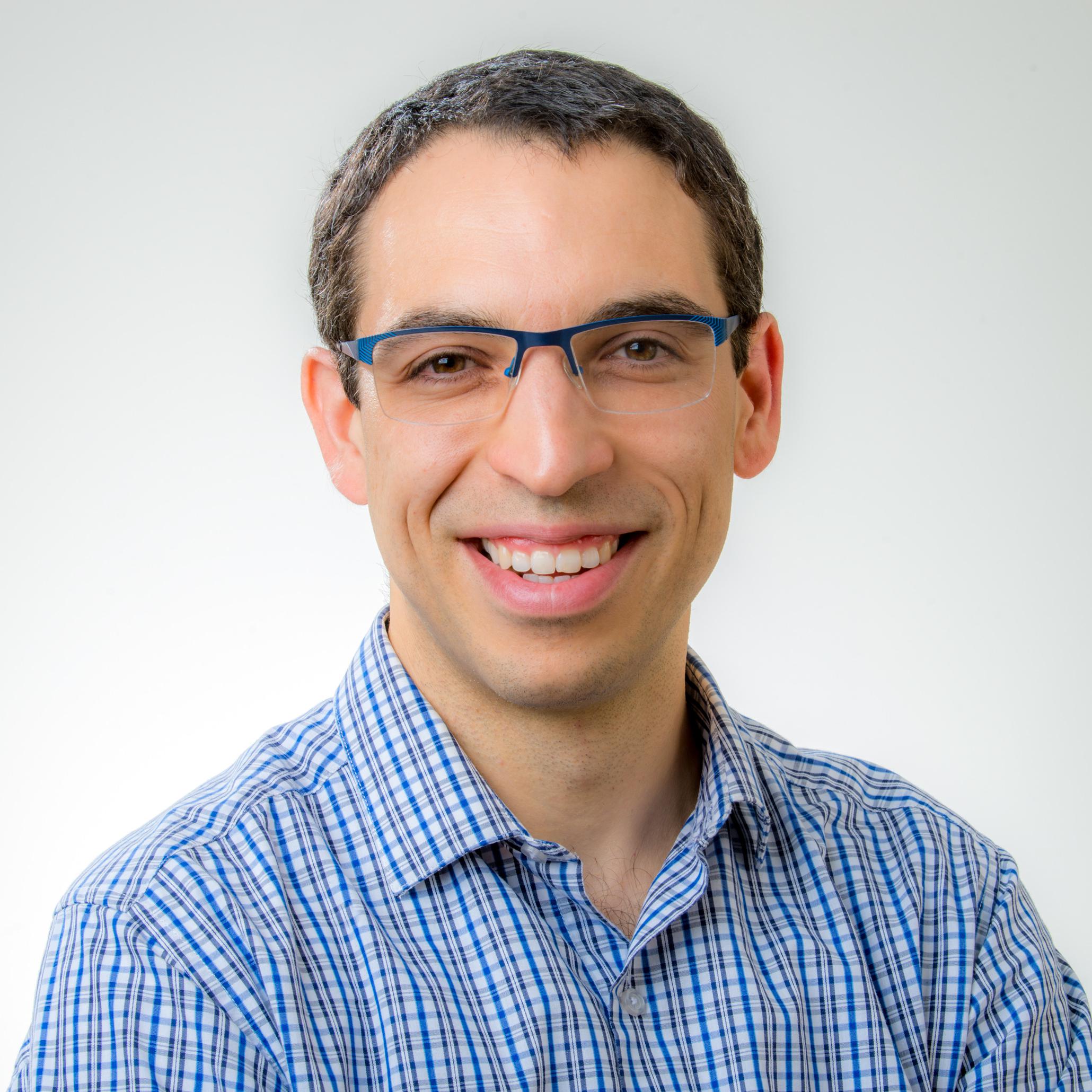
Carlos A. Castañeda is an Associate Professor in the Department of Chemistry at Syracuse University, with affiliations in Biology and Biochemistry. His research focuses on protein quality control mechanisms, particularly the role of ubiquilins (UBQLNs) in neurodegenerative diseases like ALS. He employs interdisciplinary techniques including NMR, microscopy, mass spectrometry, and computational modeling.
Education:
- Ph.D. in Molecular and Computational Biophysics, Johns Hopkins University (2008)
- B.A. in Chemistry, Biochemistry, and Mathematics, La Salle University (2001)
Research Interests: Dr. Castañeda investigates phase separation of UBQLNs and its disruption in disease. His lab studies how ALS-linked mutations alter phase transitions, leading to protein aggregates. Key areas include ubiquitin-mediated condensates, biomolecular dynamics, and neurodegenerative mechanisms.
Grants & Awards:
- NIH R01 Grant (2020-2025): Investigates UBQLN2 phase transitions in biomolecular condensates
- NSF CAREER Award (2018-2023): Focuses on molecular mechanisms of UBQLN phase separation
Teaching & Mentoring: Teaches courses in biochemistry, structural biology, and research methods. Advises graduate and undergraduate students in Chemistry and Biology, emphasizing interdisciplinary training.
Labs & Collaborations: Collaborates with local and national labs on NMR, microscopy, and computational studies. Hosts the Castañeda Lab, which explores protein homeostasis and ALS mechanisms.