معرفی
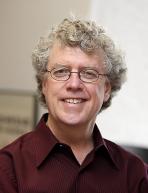
Bruce Demple is a Professor in the Department of Pharmacological Sciences at Stony Brook University's Renaissance School of Medicine. His research focuses on the intersection of biomedicine and the environment, particularly on understanding how cells defend against damaging molecules that are endogenous to cells but also produced by environmental agents.
Dr. Demple's educational background includes:
- Ph.D. in Biochemistry from the University of California, Berkeley
- B.A. in Biology from Wesleyan University
Dr. Demple's research has two major interconnected themes: defining the biochemical and biological functions of repair pathways for oxidative DNA damage, and discovering genetic regulatory systems that govern cellular responses to oxidative stress and nitric oxide. His work demonstrates how these areas synergize, such as how oxidative stress from arsenite exposure activates the APE1 gene, which encodes a central component of DNA repair vital to cell survival. Recent studies have expanded to mitochondria, where his team discovered new proteins and pathways for DNA repair that were previously thought to be very limited. Current investigations continue on Ape1 protein functions beyond DNA repair and on understanding mechanisms that partition oxidative DNA lesions among competing repair and mutational pathways.
Analysis of Dr. Demple's recent publication record (2020-2024) reveals a continued focus on DNA repair mechanisms, particularly base excision repair pathways. His work spans from fundamental molecular mechanisms to applications in space medicine, with significant recent studies examining lunar dust toxicity in human lung cells. A substantial portion of his research examines oxidative DNA damage and the proteins involved in repairing this damage, with particular attention to the APE1 protein and its multifaceted roles in cellular function. His publications demonstrate a consistent trajectory from basic molecular mechanisms to broader biological contexts including environmental toxicology and mitochondrial function.
Dr. Demple's laboratory has made numerous key discoveries throughout his career:
- Identifying enzymes in bacteria, yeast and human cells that excise 3'-fragments of deoxyribose at oxidative strand breaks
- Discovery of the oxyR-dependent control of metabolic H2O2 production in E. coli
- Discovery of the soxRS regulatory system that responds to stress by superoxide-generating agents
- Defining the redox activation mechanism of SoxR dependent on its iron-sulfur centers
- Demonstrating the soxRS role in resistance to macrophages that generate nitric oxide
- Showing that soxR mutations aid the development of some clinical antibiotic resistance
Dr. Demple began his research career with graduate studies at UC Berkeley, where he discovered the first DNA glycosylase acting on oxidative DNA damage. As a postdoctoral fellow, he isolated the sacrificial repair protein O6-methylguanine-DNA methyltransferase and showed it acts with "suicide" kinetics. He identified the active site cysteine and used protein sequence information to help clone the ada gene encoding the methyltransferase. During this time, he also established the existence of an oxidative stress response to hydrogen peroxide. Dr. Demple began his own laboratory in 1984 and has pursued DNA repair and cellular responses to oxidative stress continuously since then.
Dr. Demple's laboratory, known as the "Cellular Systems to Counteract Oxidative Damage" lab, continues to investigate Ape1 protein functions beyond DNA repair and mechanisms that partition oxidative DNA lesions among competing repair pathways. The lab employs biochemical, genetic, and cell biological approaches to understand cellular defense mechanisms against DNA damage, with recent expansion into space medicine research examining the toxicity of lunar dust simulants in human lung cells.