معرفی
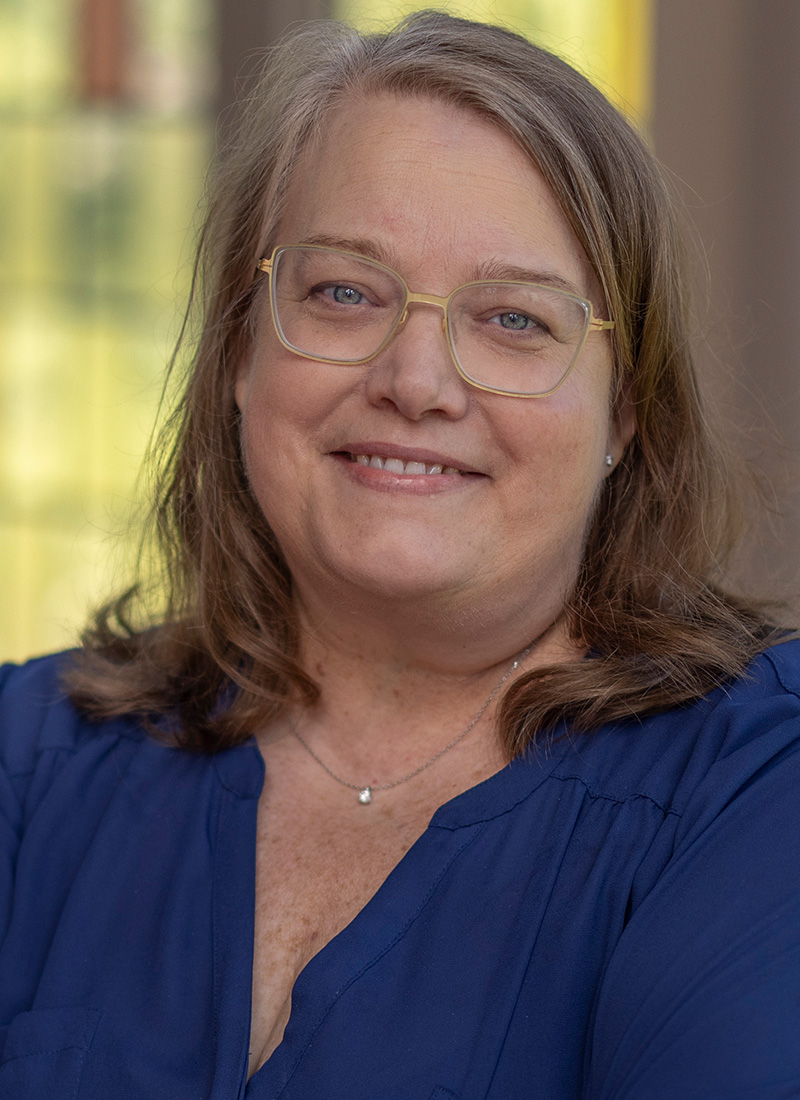
Tanya T. Paull is a Professor and holds the Burl G. and Lorene Rogers Chair in Human Health at the University of Texas at Austin, where she is affiliated with the Department of Molecular Biosciences and the Interdisciplinary Life Sciences Graduate Programs. She leads the Paull Lab, which focuses on fundamental mechanisms of DNA damage response and repair in eukaryotic cells.
Education:
- B.S. and M.S. in Biological Sciences from Stanford University (1991)
- Ph.D. from UCLA (1996)
- Post-doctoral research with Dr. Martin Gellert at NIH (Helen Hay Whitney Foundation fellowship)
Dr. Paull's research centers on DNA double-strand break repair mechanisms in eukaryotes, with particular emphasis on the intersection between DNA damage, oxidative stress signaling, and protein homeostasis in human cells. Her work has significant implications for understanding cancer biology and the origins of neurodegeneration. She employs biochemistry and molecular biology approaches to investigate how critical proteins function and are regulated in response to cellular stress.
Analysis of Dr. Paull's publication record reveals a consistent research trajectory focused on DNA damage response mechanisms, with recent work emphasizing the connections between DNA repair systems, proteostasis, and human disease. Her publications span from fundamental biochemical mechanisms to clinical implications, particularly in cancer biology and neurodegenerative disorders. The increasing focus on RNA-DNA hybrids, nucleolar function, and synthetic lethality approaches in her more recent work demonstrates the evolution of her research program toward increasingly complex biological questions with direct medical relevance.
Scientific Awards:
- Howard Hughes Medical Institute Investigator (2008-2019)
- Burl G. and Lorene Rogers Chair in Human Health
Dr. Paull established her independent laboratory at the University of Texas at Austin in 2000, initially in the Department of Molecular Genetics and Microbiology before moving to the Department of Molecular Biosciences. Her sustained research program has been supported by prestigious funding mechanisms including the Howard Hughes Medical Institute. She has contributed significantly to understanding the ATM protein kinase pathway, DNA-PK, and other critical components of the DNA damage response network.
The Paull Lab maintains an active research program investigating the molecular mechanisms underlying genome maintenance, with ongoing work exploring connections between DNA repair systems and protein homeostasis networks. Her laboratory continues to produce high-impact research that bridges basic molecular mechanisms with implications for human health and disease.