معرفی
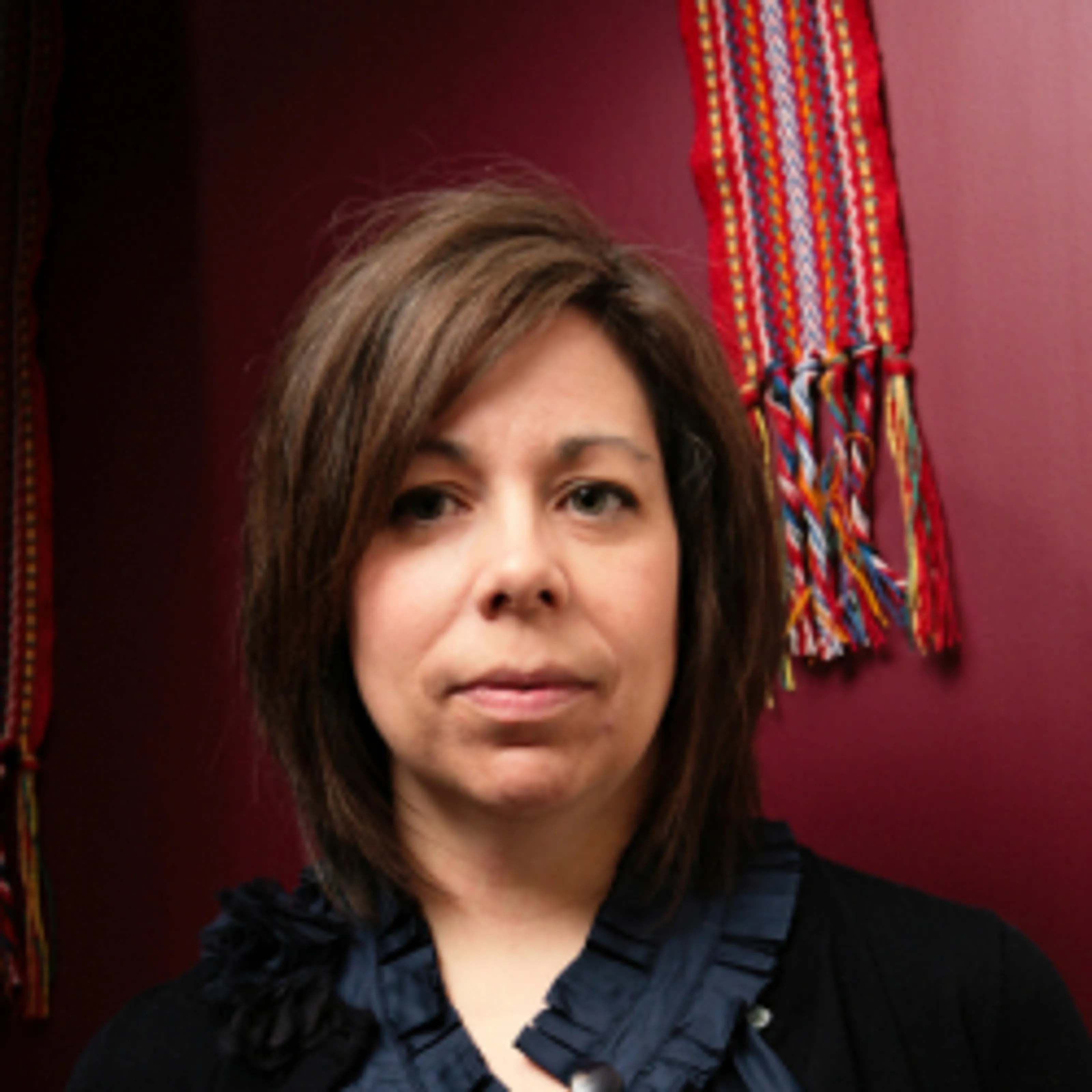
Brenda Macdougall serves as Full Professor in the Department of Geography, Environment and Geomatics within the Faculty of Arts at the University of Ottawa. She holds a cross-appointment in History and serves as Chair of Métis Research and Academic Delegate for Indigenous Engagement. Her office is located in Wm Commanda Hall.
Dr. Macdougall's educational background includes:
- Ph.D. in Native Studies (University of Saskatchewan, 2005)
- M.A. in History (University of North Carolina at Greensboro, 1996)
- B.A. Double and High Honours in History and Native Studies (University of Saskatchewan, 1994)
Her research centers on Métis communities across Canada and the United States, with particular focus on kinship systems as expressed through social/material relationships and political action. She examines how traditional family structures illuminate the emergence of Métis as a distinct post-contact Indigenous nation in the 19th century. Primary research areas include Indigenous history, colonial ideologies, Aboriginal epistemologies, and the governance of Indigenous societies. Her methodological approach integrates historical scholarship with community-based knowledge systems.
Analysis of her publications reveals consistent focus on Métis identity formation through spatial, familial, and legal frameworks. Key trends include the decolonization of historical narratives, intersections of kinship with land rights, and the impact of colonial legal fictions on contemporary Indigenous recognition. Her work bridges historical analysis with contemporary Indigenous governance challenges.
Major scientific recognition includes:
- Canadian Historical Association's Clio Prize (2011) for One of the Family: Métis Culture in Nineteenth-Century Northwestern Saskatchewan
- Fellowship in the Royal Canadian Geographic Society
- Membership in the Royal Society of Canada's College of New Scholars, Artists and Scientists
As Métis Research Chair, Dr. Macdougall oversees significant grants tracing Métis family lineages and historical communities. She collaborates extensively with Métis communities across the Great Lakes and Western Prairies, and participates in urban Indigenous health research initiatives. Current teaching includes graduate seminars on Métis landscapes and undergraduate courses on Métis social geography.
Her research operates through community partnerships with Métis organizations, focusing on documenting kinship networks as frameworks for cultural continuity. Current projects integrate historical methodologies with contemporary community engagement to address gaps in Métis historical representation.