معرفی
Barbara Sixt is an Associate Professor and Group Leader at the Department of Molecular Biology at Umeå University. She is affiliated with the Laboratory for Molecular Infection Medicine Sweden (MIMS), which serves as the Swedish node of the Nordic EMBL Partnership for Molecular Medicine and forms part of the multidisciplinary Umeå Centre for Microbial Research (UCMR).
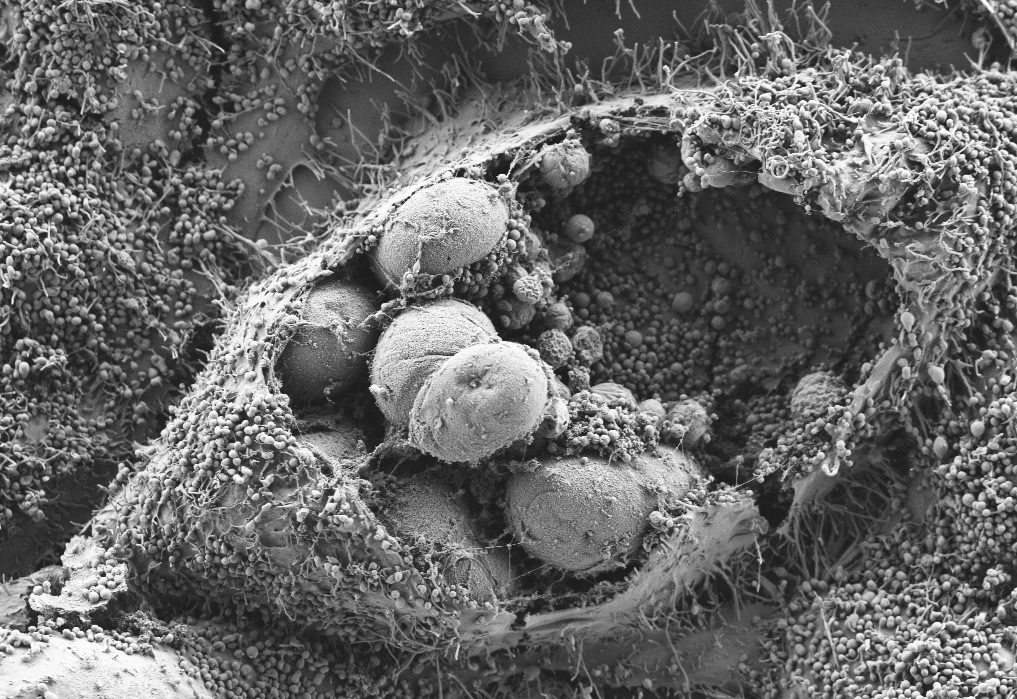
Dr. Sixt's research program focuses on understanding the molecular basis of cell-autonomous immunity and bacterial evasion strategies. Her work specifically investigates the interaction between human cells and the obligate intracellular bacterial pathogen Chlamydia trachomatis, which causes over 100 million sexually transmitted infections annually worldwide and is responsible for trachoma, a leading cause of preventable blindness in developing regions. Her laboratory applies cutting-edge methodologies including molecular genetics, advanced microscopic imaging, and high-throughput genetic and compound screening approaches to uncover hidden cellular defense mechanisms that pathogens suppress.
The Sixt Lab aims to identify molecular determinants of host defense systems and pathogen countermeasures with the goal of developing innovative antimicrobial strategies. Their research environment benefits from strong integration within MIMS, which provides access to state-of-the-art facilities and an international collaborative network through the Nordic EMBL Partnership. The lab is embedded within Umeå University's vibrant life science ecosystem, which includes connections to the University Hospital of Umeå for translational research opportunities.
Dr. Sixt mentors multiple researchers including PhD students and postdoctoral fellows who contribute to her research on pathogen-host interactions. Her work addresses critical challenges in infectious disease research at a time when antibiotic resistance is increasing globally, seeking alternative approaches to combat bacterial infections by boosting the host's intrinsic defense capabilities rather than directly targeting pathogens.