معرفی
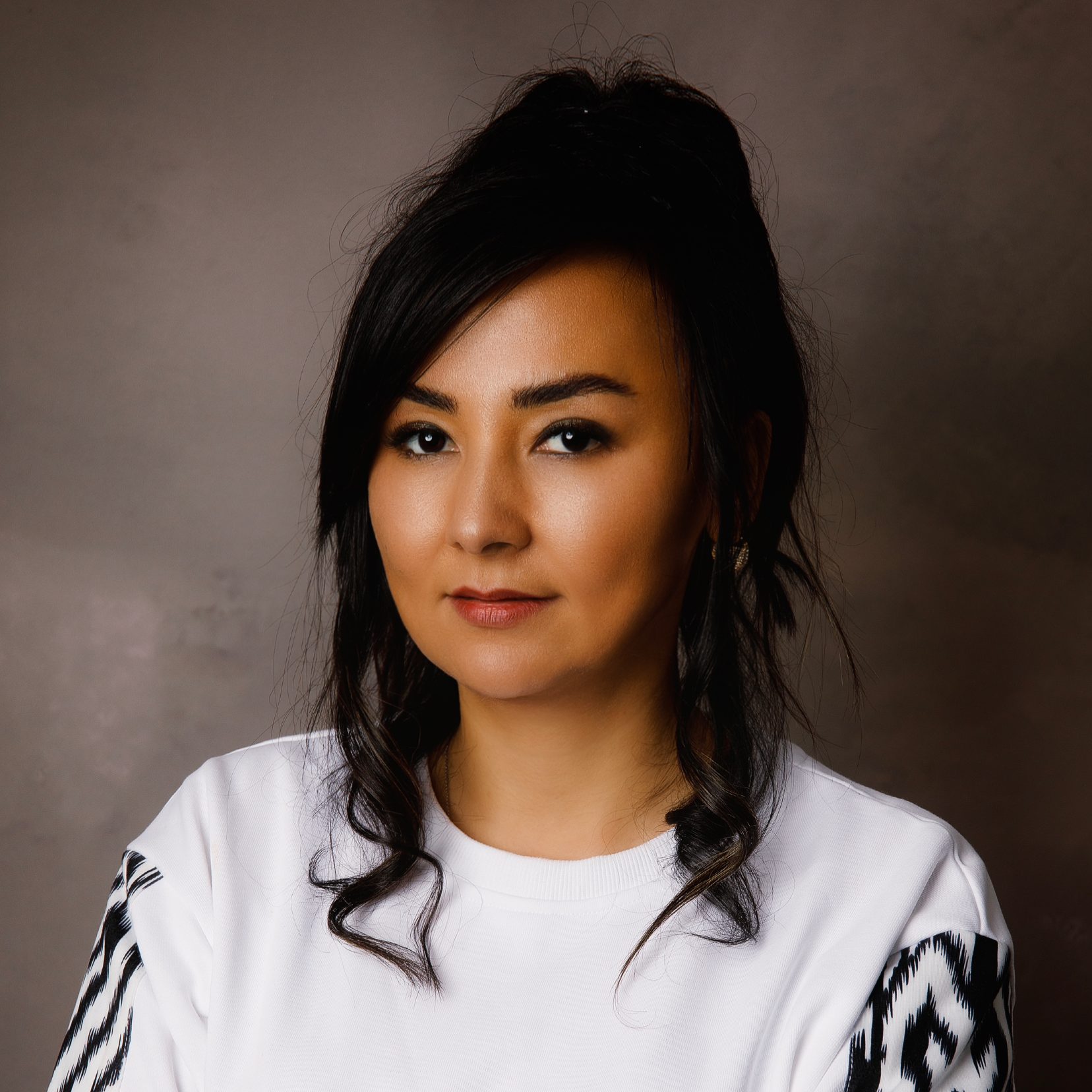
Aynur Kadir serves as Assistant Professor specializing in Lifeways in Indigenous Asia within the Department of Asian Studies at the University of British Columbia's Faculty of Arts. Based in the C.K. Choi Building, her academic work bridges digital media and Indigenous knowledge systems through collaborative community-based approaches.
Dr. Kadir's research focuses on the poetics and politics of digital media in representing indigeneity, traditional knowledge, memory, language, and cultural heritage. Her work emphasizes ethical new media practices developed through direct collaboration with originating Indigenous communities. Her research interests span digital curation, decolonial methodologies, Indigenous representation in museums, virtual reality applications for cultural heritage, and the intersection of technology with traditional knowledge transmission.
Her publication portfolio reveals a consistent trajectory examining how digital technologies can ethically represent Indigenous knowledge systems while centering community voices. Her work spans diverse geographical contexts including Coast Salish territories, Chinese cultural traditions, and Sufi religious practices, demonstrating both regional specificity and methodological innovation in digital humanities approaches to Indigenous cultural heritage.
Dr. Kadir has secured significant research funding including grants from the Social Sciences and Humanities Research Council of Canada (SSHRC) for her 'Transnationally Indigenous' project, demonstrating her capacity to develop major collaborative research initiatives that bridge academic institutions and Indigenous communities.
Her extensive collaborative portfolio includes major projects such as 'The Contest of the Fruits,' 'Landscapes of Injustice,' 'Sq'éwlets: A Stó:lo-Coast Salish community in the Fraser River Valley,' 'AI-generated Anonymity,' 'Ethnographic Terminalia' multimedia exhibitions, and 'The Intellectual Property Issues in Cultural Heritage Project.' These collaborations reflect her commitment to community-engaged scholarship that addresses complex issues of cultural representation and intellectual property.
Dr. Kadir's creative output includes significant film and exhibition work such as 'To Speak With a Golden Voice,' 'qaʔ yəxʷ – water honours us: womxn and waterways,' 'Húy̓at: Our Voices our Land,' 'Haida Now: A Visual Feast of Innovation and Tradition,' and 'Intangible: Memory and Innovation in Coast Salish Art,' demonstrating her commitment to multimodal knowledge production that extends beyond traditional academic formats.