معرفی
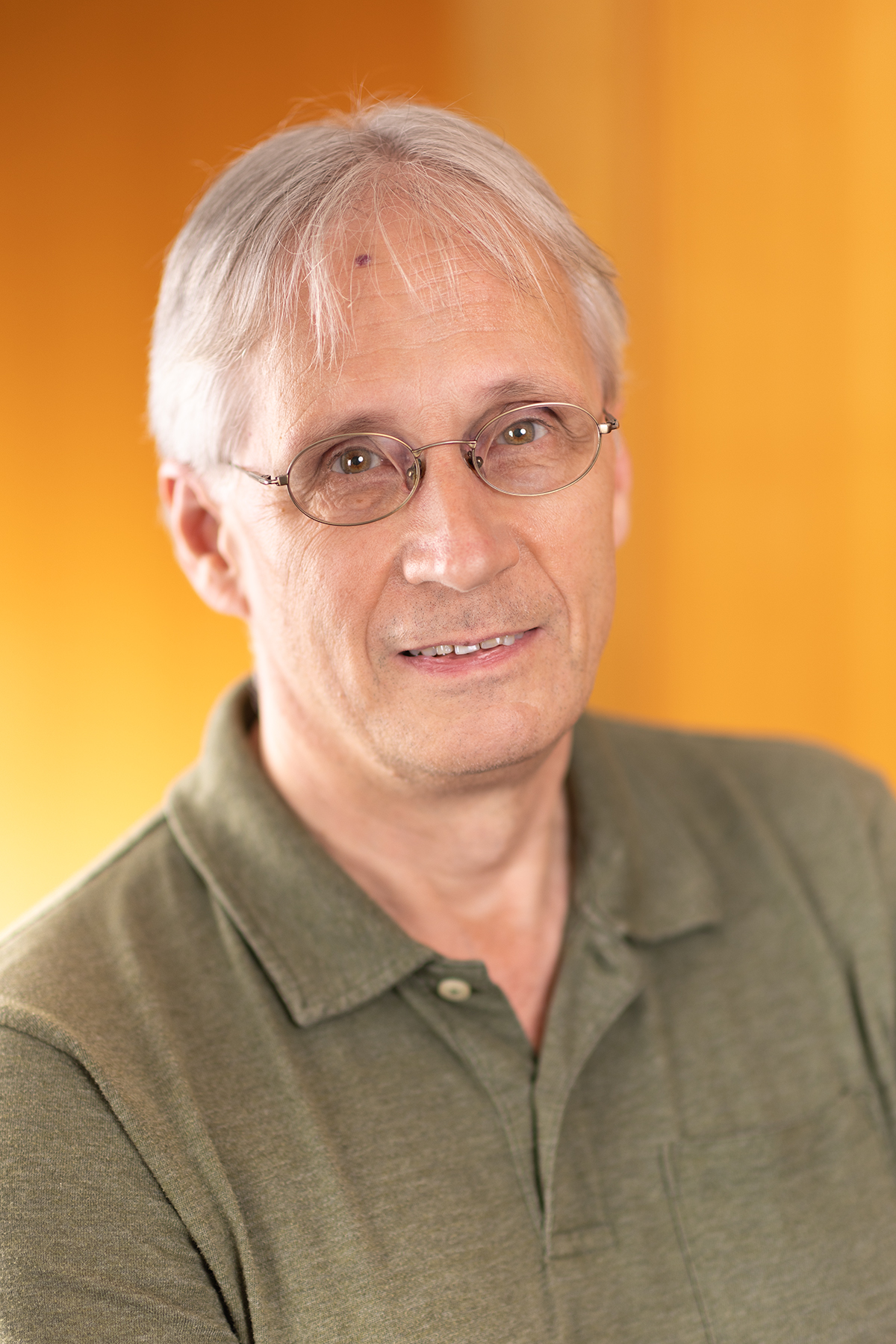
Dr. Andrew R. Metcalf is an Associate Professor in the Department of Environmental Engineering and Earth Sciences at Clemson University, part of the College of Engineering, Computing and Applied Sciences. His research focuses on air pollution and atmospheric aerosol particles, with expertise in multiscale measurements from microscopic laboratory analysis to large-scale field campaigns. He holds a Ph.D. from the California Institute of Technology (2012) and M.S./B.S. degrees from The Pennsylvania State University (2005).
Education:
- Ph.D., Environmental Science and Engineering, California Institute of Technology, 2012
- M.S., Environmental Science and Engineering, California Institute of Technology, 2007
- M.S. & B.S., Meteorology, The Pennsylvania State University, 2005
Research Interests:
Dr. Metcalf's work bridges microscale aerosol analysis with large-scale environmental monitoring, emphasizing wildfire impacts, indoor/outdoor air quality, and aerosol-cloud interactions. His lab, the Clemson Air Quality Lab, develops advanced instrumentation for measuring black carbon and particulate matter, with applications in climate science and public health.
Key Article Trends:
Recent studies address Canadian wildfire effects on air quality networks, urban PM2.5 disparities using machine learning, and low-cost sensor validation for regulatory monitoring. His work spans environmental justice, HVAC system optimization, and pandemic-era exposure mitigation.
Awards:
- National Science Foundation Postdoctoral Fellowship (2014-2016)
- American Meteorological Society Graduate Fellowship (2004)
- EPA REU Grant (2002)
Grants & Advising:
He leads NSF-funded projects on spent nuclear fuel storage aerosol deposition and community air quality networks. Advises graduate students on topics like prescribed fire impacts and indoor air sensor networks. Current grants include $2M for climate hazard research and $800K for nuclear energy storage studies.
Labs & Teams:
His lab collaborates with the Clemson Air Quality Laboratory and institutions like the Naval Postgraduate School for airborne aerosol measurements. Engages in DOE-funded studies on aerosol-cloud interactions and microfluidic ice nucleation particle counters.