معرفی
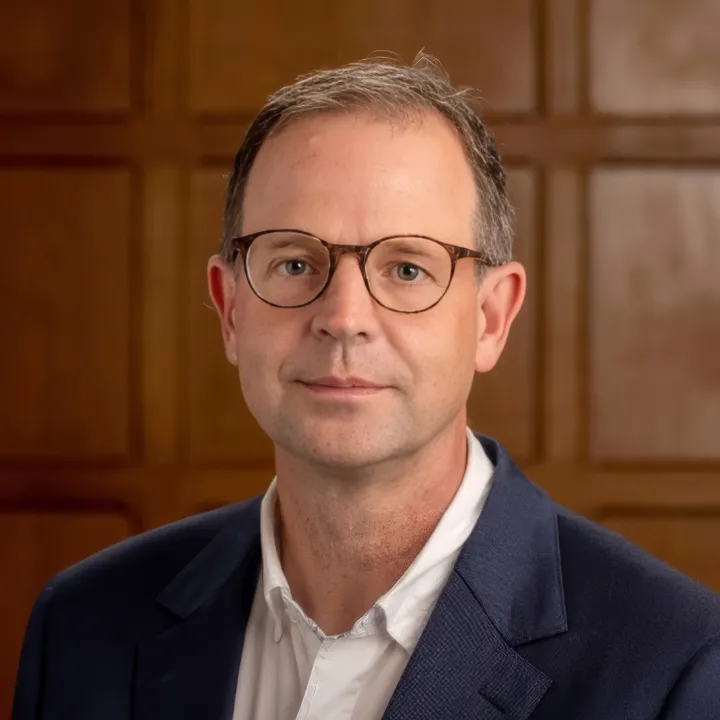
Nishit Shetty is an Assistant Professor in the Department of Civil, Environmental and Architectural Engineering (CEAE) at the University of Kansas, where he joined the faculty in 2024. He leads the Complex Aerosol Systems Laboratory, focusing on advanced research in aerosol science with applications to air quality and public health.
Dr. Shetty earned his Ph.D. in Energy, Environmental & Chemical Engineering from Washington University in St. Louis (2021) and his B.Tech. in Chemical Engineering from the Indian Institute of Technology, Gandhinagar, India (2016).
His research spans two primary areas: wildfire emissions and bioaerosols. In wildfire research, he investigates the optical properties of biomass burning particles, particularly brown carbon, and their radiative impacts. His bioaerosol work focuses on developing technologies for detecting airborne pathogens, including a patented SARS-CoV-2 breathalyzer. His approach combines fundamental aerosol science with engineering solutions to address pressing environmental and public health challenges related to air pollution.
Analysis of Dr. Shetty's publications reveals a strong interdisciplinary focus bridging environmental engineering, atmospheric science, and biomedical applications. His work demonstrates expertise in both laboratory measurements and field campaigns, with significant contributions to understanding wildfire smoke properties and viral aerosol transmission mechanisms. Recent publications in high-impact journals like Nature Geoscience highlight the significance of his research on wildfire emissions.
- Patent for SARS-CoV-2 breathalyzer technology licensed by Varro Life Sciences
Dr. Shetty has participated in major research initiatives including the 2019 NASA/NOAA Fire Influence on Regional to Global Environments and Air Quality (FIREX-AQ) field campaign. His work on the Modular Influenza Sampling Tunnel (MIST) demonstrates his commitment to developing practical tools for studying airborne disease transmission. As a new faculty member, he is establishing his research program with a focus on innovative technologies for air pollution detection and mitigation.
He directs the Complex Aerosol Systems Laboratory, which focuses on advancing technologies to detect, measure, and mitigate air pollution. Current research projects include quantifying radiative and health impacts of wildfire emissions, developing cutting-edge technologies to assess airborne disease transmission, and optimizing strategies to reduce exposure to harmful airborne particles indoors.