معرفی
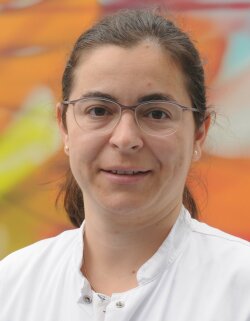
Dr. Andreas Themistocleous is an MRC Clinician Scientist Fellow at the Nuffield Department of Clinical Neuroscience (NDCN) within the Medical Sciences Division at the University of Oxford. He is affiliated with St Hugh's College and is a member of the Neural Injury Group research team. His work focuses on understanding the mechanisms of neuropathic pain using advanced neurophysiological and clinical assessment techniques.
Dr. Themistocleous' research interests center on neuropathic pain mechanisms, particularly in diabetic neuropathy. He employs techniques including microneurography, threshold tracking, intraepidermal nerve fibre density assessment, and quantitative sensory testing to evaluate peripheral nervous system function. His work aims to characterize the somatosensory, histological, and electrophysiological phenotype of patients with painful diabetic neuropathy, distinguishing it from painless forms of the condition.
Analysis of Dr. Themistocleous' recent publications (2022-2025) reveals a strong focus on biomarker discovery for neuropathic pain, genetic associations with pain phenotypes, and the differentiation between painful and painless neuropathies. His work spans multiple disciplines including neurology, pain research, genetics, and diabetes complications, with publications appearing in high-impact journals such as Brain, Pain, and Annals of Neurology.
- MRC Clinician Scientist Fellowship
Dr. Themistocleous leads research projects investigating the mechanisms of neuropathic pain, with funding from his MRC Clinician Scientist Fellowship. His work involves collaboration with clinicians and researchers across multiple institutions, and he has supervised or co-supervised numerous research projects focused on pain mechanisms and neuropathy characterization. The Pain in Neuropathy Study (PiNS) represents one of his major collaborative research initiatives.
Dr. Themistocleous is an active member of the Neural Injury Group at Oxford, where he conducts research on pain mechanisms using advanced neurophysiological techniques. His laboratory work focuses on correlating clinical pain phenotypes with structural and functional nerve assessments, with particular emphasis on identifying biomarkers that distinguish painful from painless neuropathies.