معرفی
Andreas M. Beyer, PhD, is Professor of Medicine and Physiology at the Medical College of Wisconsin where he co-directs the Basic and Translational Research Program in Cardio-Oncology. He holds appointments in the Cardiovascular Research Center and Cancer Center. His research program investigates microvascular pathophysiology with focus areas in mitochondrial biology, redox regulation, and cardiovascular complications of cancer therapies.
Dr. Beyer's research integrates human microvascular studies with mechanistic animal models to examine: mitochondrial homeostasis in vascular tone regulation, telomerase functions beyond telomere maintenance, endothelial dysfunction mechanisms in coronary artery disease, and cardiovascular toxicities of anti-cancer treatments. His lab pioneered techniques for assessing human microvascular function and genetic manipulation of human vessels.
Research publications demonstrate consistent focus on vascular signaling pathways, particularly: redox-mediated vasodilation transitions in aging/disease, mitochondrial dynamics in endothelial function, telomerase-mediated vascular protection, and cardio-oncology interactions. Recent work explores vascular implications of COVID-19 and environmental factors in cardiovascular outcomes.
Awards and honors include:
- Outstanding Young Investigator Award, Microcirculatory Society (2014)
- Fellow of the American Heart Association (FAHA, 2016-present)
- Merck New Investigator Award, AHA Council of High Blood Pressure (2006)
- International Travel Award for Young Investigators, APS-TPS (2016)
- Top 3 Reviewer, Journal of the American Heart Association (2016)
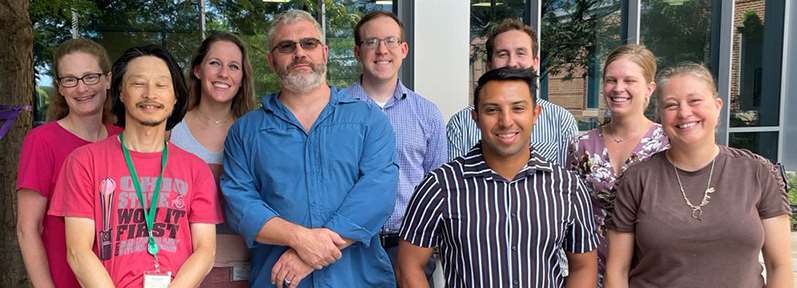
Dr. Beyer actively mentors trainees at all levels, currently supervising 2 postdoctoral researchers, 3 graduate students, and a research scientist. His NIH-funded research program includes collaborations across cardiology, oncology, and physiology disciplines. The Beyer Lab utilizes human tissue models, genetic approaches, and physiological assessments to bridge mechanistic insights to clinical applications in vascular medicine.