معرفی
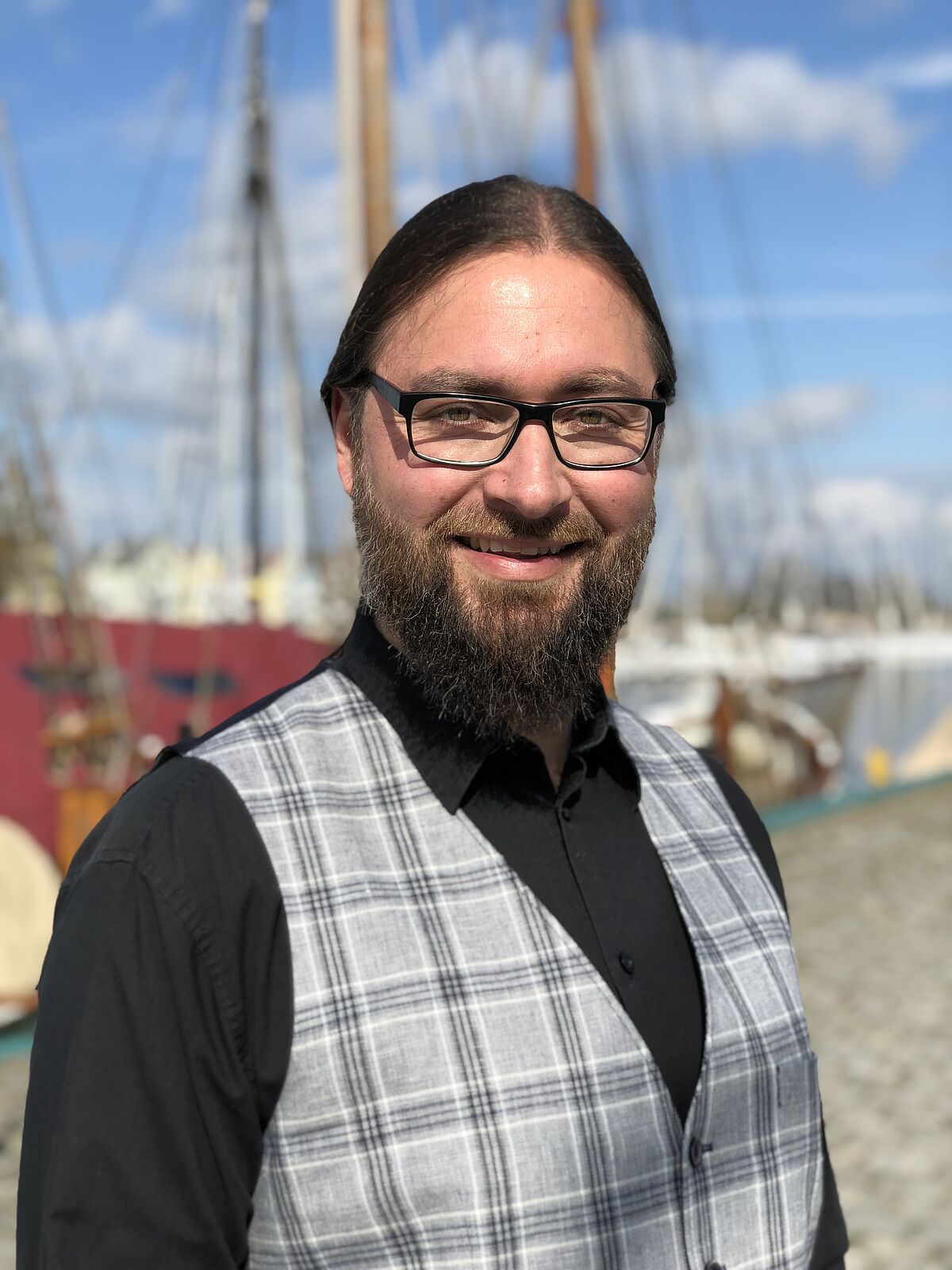
Andre Banning is a Professor of Applied Geology at the University of Greifswald's Institute of Geography and Geology since April 2023. Previously, he served as a Lecturer in Environmental Science at University College Cork (2021-2023) and as a Senior Academic Councillor at Ruhr University Bochum (2019-2020). His academic career has been focused on hydrogeology and environmental geochemistry, with expertise in groundwater contamination and remediation.
His educational background includes:
- Dipl.-Geol. (Diploma in Geology) from University of Münster (2006)
- Dr. rer. nat. (Doctor of Natural Sciences) from RWTH Aachen (2012)
- PD habil. (Habilitation) from Ruhr University Bochum (2019)
Banning's research focuses on the occurrence and fate of toxicologically relevant inorganic trace elements in aquifer systems, particularly arsenic and uranium. His work integrates hydrogeochemical modeling, field studies, and laboratory experiments to understand contaminant transport and develop remediation strategies. He has made significant contributions to understanding denitrification processes, trace element mobility, and the impacts of mining activities on water quality.
His publication record demonstrates expertise across multiple domains of environmental hydrogeology, with particular emphasis on groundwater contamination by geogenic elements. His recent work has increasingly focused on comparative studies across different European countries and on the application of advanced modeling techniques to understand spatio-seasonal variations in water quality.
Throughout his career, Banning has supervised numerous research projects and students, though specific names are not provided in the available documentation. His work has involved collaborations with researchers across Europe, Mexico, Palestine, and Ethiopia, reflecting the global nature of hydrogeological challenges.
Banning's research has practical applications for water resource management and protection, particularly in regions affected by agricultural nitrate pollution and geogenic contaminants. His laboratory work at the University of Greifswald continues to investigate the complex interactions between geological formations and groundwater chemistry.