معرفی
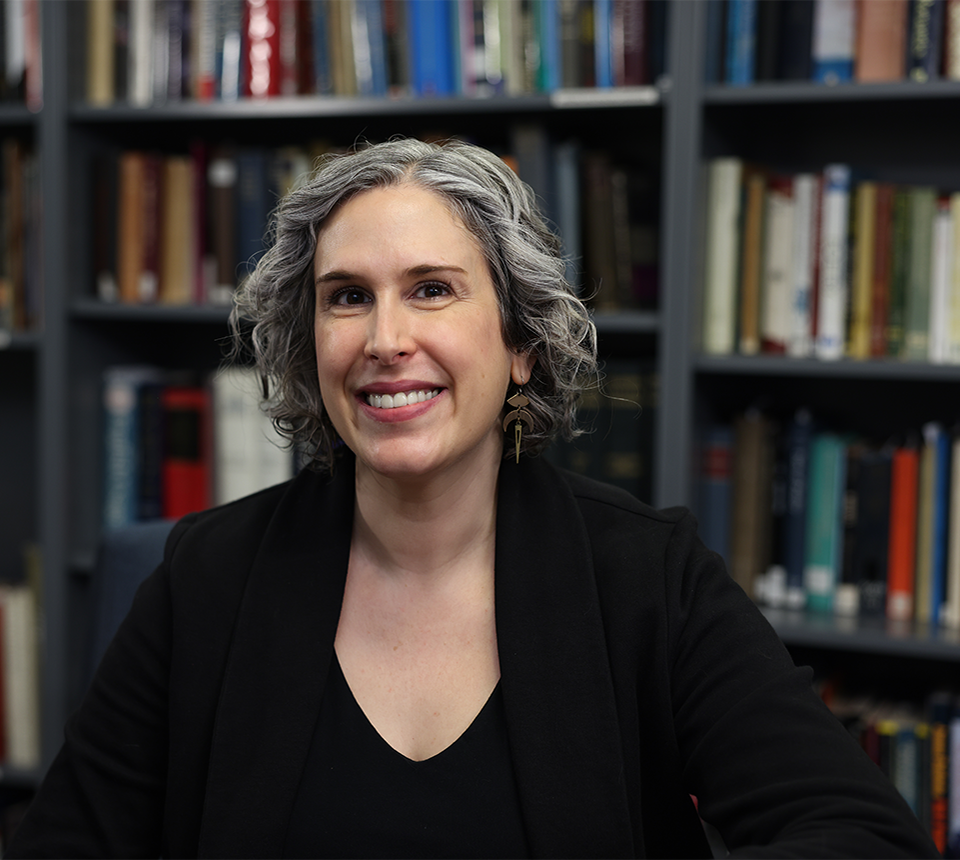
Amy Boesky is a Professor in the Department of English at Boston College, where she also directs the Minor in Medical Humanities, Health and Culture. Her academic work bridges literary studies and biomedical discourse, with a focus on personal narratives of illness, genetics, and identity.
Education:
- A.B., Harvard College
- M.Phil. in Renaissance English, University of Oxford
- Ph.D., Harvard University
Amy Boesky’s research centers on Medical Humanities and creative nonfiction, particularly memoirs related to hereditary cancer and genetic identity. She explores how individuals narrate experiences of illness, selfhood, and biomedical knowledge from the early modern period to the present. Her work connects historical literary traditions with contemporary personal writing, especially in the context of breast cancer and BRCA narratives. She is deeply engaged in narrative medicine and the role of testimony in healing and understanding.
Her publications reflect a strong interdisciplinary trend, combining literature, ethics, and medicine. The themes across her recent works include witnessing, repair through writing, genetic identity, and the evolution of self-representation in medical contexts. These articles and books span journals in literature, women’s studies, and medical humanities.
Scientific Awards:
- No awards listed in the provided text.
Amy Boesky advises students through her role as director of the Medical Humanities minor and through her creative writing mentorship. While specific advisees are not listed, her editorial and authorial work suggests active engagement in guiding emerging narratives in medicine and literature. There is no mention of external grants in the provided material, but her publications and leadership in a growing interdisciplinary program indicate scholarly impact.
She is affiliated with Boston College’s English Department and contributes to the development of the Medical Humanities curriculum. Her work fosters connections between literary analysis and personal health narratives, positioning her as a key figure in integrating humanities into medical discourse.