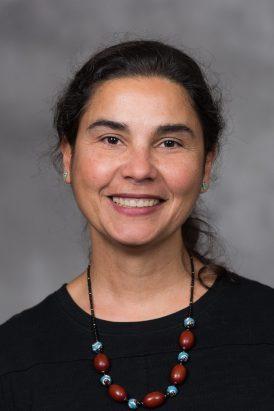
Marlyse Baptista is the President's Distinguished Professor of Linguistics at the University of Pennsylvania, Department of Linguistics. She is affiliated with the School of Arts & Sciences and MindCore initiative. Her research focuses on language contact, creolization processes, bilingualism, and experimental methods in creole studies. Baptista leads the Language Contact and Cognition Lab, previously known as the Cognition, Convergence and Language Emergence (CCLE) group at the University of Michigan. Education includes a PhD in Linguistics (Harvard, 1997), MA degrees from Harvard and the Université de Bordeaux III, and extensive training in multilingual education. Her work bridges generative syntax with experimental approaches, including artificial language learning to study language convergence. Key themes include the cognitive underpinnings of creole formation, bidirectional influences in Cape Verdean Creole, and the role of congruence in language acquisition. Research highlights include studies on Cape Verdean Creole's grammatical properties, genetic-linguistic admixture correlations, and pedagogical resources for creole language education. Recent projects explore experimental validation of creole genesis theories through multilingual acquisition studies. Scientific Awards: President's Distinguished Professorship (University of Pennsylvania) Labs/Teams: Language Contact and Cognition Lab, MindCore Grants/Projects: MULTI Project (creole language educational resources), NSF-funded studies on creole genesis mechanisms Baptista's work emphasizes interdisciplinary approaches, integrating syntax theory, psycholinguistics, and sociolinguistics to address foundational questions in contact linguistics and creolistics.
Maile Arvin is a Kanaka Maoli feminist scholar and Assistant Professor at the Department of Ethnic Studies, University of Hawaiʻi at Mānoa. Her research and teaching focus on Indigenous relationships to land, histories of race and settler colonialism in Hawaiʻi, Oceania, and the United States. Previously, she was faculty in History and Gender Studies at the University of Utah and founding director of the Center for Pasifika Indigenous Knowledges. PhD in Ethnic Studies, University of California San Diego (2013) MA in Ethnic Studies, University of California San Diego (2009) BA in English, Swarthmore College (2005) Her research examines: Colonial production of racial categories, particularly Polynesians as an 'almost white race' in historical social science History of incarceration of Native Hawaiian children in government institutions (1865–1960s) Intersection of settler colonialism and Indigenous feminisms Critique of eugenics and genomic studies in the Pacific Community-engaged memorialization projects in Hawaiʻi Recent scholarly trends include analyses of Indigenous sovereignty, critiques of settler colonial whiteness, and interdisciplinary studies of race-gender dynamics. Arvin's publications explore Polynesian racialization, decolonial feminism, and the socioeconomic impacts of colonial institutions. NEH Chair's Grant for Nā Lei Poina ʻOle ACLS Digital Justice Seed Grant Arvin leads Nā Lei Poina ʻOle (Beloved Children Never Forgotten), a community history project about reformatories and industrial schools in Hawaiʻi. In collaboration with Kawela Farrant and the North Shore Community Land Trust, this project uses archival and oral histories to confront the legacy of child incarceration. She also critiques the nonprofit-industrial complex's role in limiting Indigenous sovereignty.
Alexis Battle is an Associate Professor at Johns Hopkins University with appointments in Biomedical Engineering , Computer Science , and Genetic Medicine (secondary). She directs the Malone Center for Engineering in Healthcare and serves as Deputy Director of the Data Science and AI Institute . Educated at Stanford University (PhD in Computer Science, 2013), Battle transitioned to academia after leadership roles at Google. Research Focus: Battle’s work bridges genomics and machine learning , emphasizing the impact of genetic variation on human health. Her lab develops tools like Watershed to predict functional effects of rare variants, aiming to enhance rare disease diagnosis. Key themes include non-coding DNA analysis , personalized genomics , and systems biology , with applications in cardiovascular disease and neurodegenerative disorders . Publications & Awards: Over 60 peer-reviewed articles in journals like Nature , Science , and Genome Biology , with recent emphasis on single-cell transcriptomics , multiomics integration , and telomere biology . Recipient of the President’s Frontier Award (2022), Microsoft Investigator Fellowship (2019), and Searle Scholar (2016). Scientific Awards: 2022 President’s Frontier Award 2019 Microsoft Investigator Fellowship 2019 Johns Hopkins Discovery Award 2017 Johns Hopkins Catalyst Award 2016 Searle Scholar Advising & Funding: Mentors 11 PhD students, 3 undergraduates, and postdoctoral fellows. Her research is funded by NIH, Searle Scholars, and institutional grants. The Battle Lab collaborates on projects like the GTEx Consortium , focusing on gene regulation and clinical genomics .
Salikoko S. Mufwene is the Edward Carson Waller Distinguished Service Professor of Linguistics at the University of Chicago. He holds additional appointments on the Committees on Evolutionary Biology, Conceptual and Historical Studies of Science, and African Studies. His research integrates ecological perspectives into evolutionary linguistics, focusing on language contact, creole genesis, language endangerment, and the impact of colonization and globalization on linguistic diversity. Education: PhD in Linguistics, University of Chicago (1979) Key Themes: Language evolution, creole languages, population structure, decolonial linguistics, language policy Mufwene’s work emphasizes the role of population dynamics in language change, drawing parallels with biological evolution. His recent articles examine topics such as the cultural-artifact nature of language, the ecological drivers of creole hybridization, and the decolonization of linguistic paradigms. He has also contributed extensively to debates on language endangerment and multilingualism in super-diverse societies. Scientific Awards: Fellow, Linguistic Society of America (2018) Fellow, American Philosophical Society (2022) Fellow, American Academy of Arts and Sciences (2023) Collège de France lectures (2003, 2023-24) Summer Institute of the Linguistic Society of America (1999, 2005, 2015, 2017)
Hyunghoon Cho is an Assistant Professor at Yale School of Medicine in the Department of Biomedical Informatics & Data Science, with a secondary appointment in the Department of Computer Science. He received his PhD in Electrical Engineering and Computer Science from MIT (2019) and MS/BS in Computer Science from Stanford University (2013). His research focuses on computational challenges in biomedical data privacy, single-cell genomics, and network biology. Assistant Professor (Primary): Biomedical Informatics & Data Science Assistant Professor (Secondary): Computer Science Appointments: Yale School of Medicine | Broad Institute (Schmidt Fellow) Research Themes: Privacy-Enhancing Technologies for genomic and health data Scalable AI/ML tools for omics data analysis Structured biological modeling for system-level discovery His work includes secure GWAS, transcriptomic privacy assessment, and sfkit - a federated genomic analysis toolkit. He received the NIH Director's Early Independence Award and leads NSF-funded projects on confidential genome analytics. Awards: NIH Director's Early Independence Award Lab Members: Haris Smajlović (Postdoc), Vincent Angelo (CBB MS), Denis Loginov (Senior Software Engineer), Lucy Zheng (CBB PhD)
Johannes Larsch is a tenure-track Assistant Professor at the Center for Integrative Genomics within the Faculty of Biology and Medicine at Université de Lausanne (UNIL). His research focuses on understanding the neuronal mechanisms underlying social interactions, using larval zebrafish as a model organism. He employs advanced techniques like virtual reality and optical imaging to study how social signals are processed in the brain. Education: Bachelor of Biology, University of Konstanz, Germany PhD in Neurobiology, Rockefeller University, USA (lab of Cori Bargmann) Postdoc at Max Planck Institute of Neurobiology, Germany (with Herwig Baier) Research interests center on neuronal circuits driving group behavior, social recognition, and the interplay between genetics and environment in shaping behavior. His lab investigates how individual brains coordinate collective social behaviors through studies of neuronal activity and circuit dynamics. Current lab openings include fully funded PhD and PostDoc positions focused on social neuroscience and neurogenomics. Contact: johannes.larsch@unil.ch .
Furkan Alaca is an Assistant Professor at Queen's University's School of Computing, part of the Faculty of Arts and Science. His research focuses on user authentication systems, addressing security and usability challenges. He holds a Ph.D. (2018) in Computer Science from Carleton University, an M.A.Sc. (2012) in Electrical and Computer Engineering, and a B.Eng. (2010) in Communications Engineering, all from Carleton University. His academic career includes teaching roles at Queen's University and the University of Toronto Mississauga, where he taught courses such as Cryptography, Cybersecurity, and Discrete Mathematics. He is affiliated with Queen's Security Research Group and Computer Security Research Lab. Research interests include computer and internet security, usable security, authentication mechanisms, and systems security. He has contributed to advancements in web authentication frameworks, malware analysis, and privacy-preserving technologies. His work spans conferences like IEEE and ACM, with notable publications in cybersecurity, machine learning, and network efficiency. Current teaching includes CISC 447 (Introduction to Cybersecurity) and CISC 468 (Cryptography). He has advised on courses ranging from undergraduate programming to graduate-level security topics.
Leibniz Institute for Zoo and Wildlife ResearchGermany
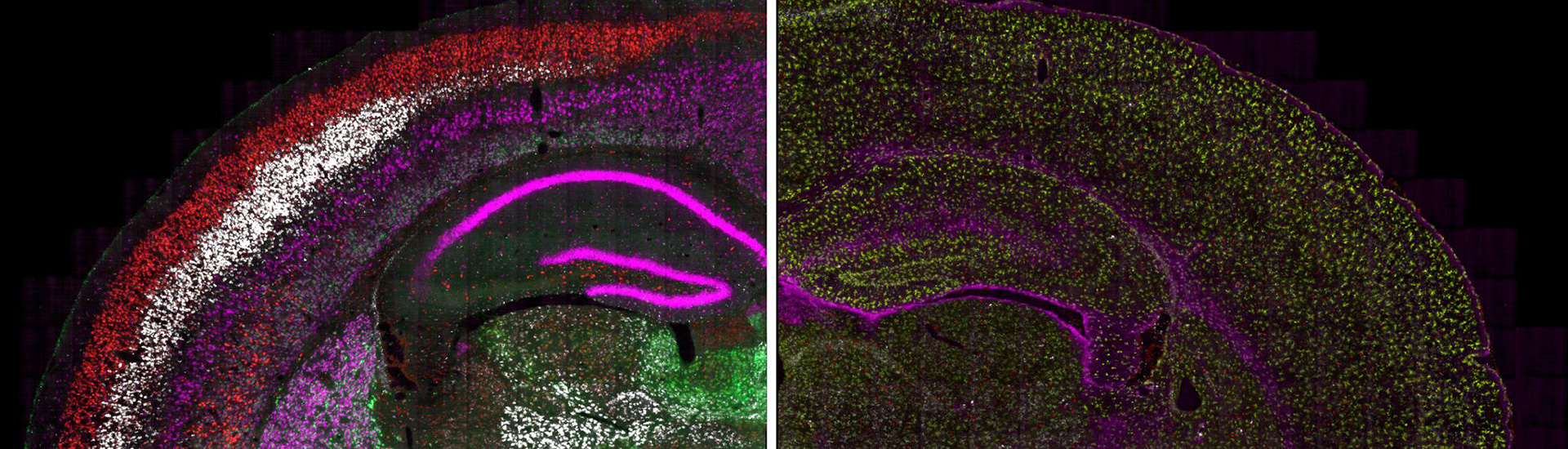
Omer Bayraktar is a Group Leader at the Wellcome Sanger Institute , leading research in the Cellular Genomics Programme. His work focuses on decoding human brain cellular diversity using spatial transcriptomics , imaging , and functional screening to study neural complexity in health and disease. Bayraktar's educational background includes a PhD from HHMI under Chris Doe, investigating neural diversity development in Drosophila , followed by postdoctoral work at University of California, San Francisco and University of Cambridge as a Life Sciences Research Foundation Fellow. He developed a spatial transcriptomic pipeline during his postdoc to analyze astrocyte heterogeneity in the cerebral cortex. His research explores neural cell type mapping , glial-neuronal interactions , and cellular pathways in neurodevelopmental disorders . Recent publications emphasize 3D tissue mapping , multi-omic integration , and computational tools like Cell2fate and WebAtlas. His work bridges neurogenetics and computational biology to advance understanding of human tissue ecosystems. Bayraktar's lab collaborates with the Human Cell Atlas initiative and develops technologies such as automated histology pipelines and highly-multiplexed smFISH for molecular cell typing. His team also investigates glia-based therapies and astrocyte functional heterogeneity in neurodevelopmental contexts. Key scientific contributions include: Discovering astrocyte layer patterns independent of neuronal laminae Developing cell2location for spatial cell mapping Characterizing Drosophila neural stem cell models with human relevance Notable awards include the Life Sciences Research Foundation Fellowship during his postdoctoral training. His current group includes a PhD student , Senior Data Scientists , and Bioinformaticians .
Rhenish Friedrich Wilhelm University of BonnGermany
Professor Paul Marx is a faculty member at the University of Bonn, affiliated with the Faculty of Philosophy and the Institute of Political Science and Sociology. His research focuses on critical areas of political sociology and policy analysis, with particular emphasis on labor market dynamics and political participation. His research interests center on labor market policy , attitude research , policy analysis , politics and emotions , political socialization , tax and redistribution policy , and inequalities in political participation and representation . Professor Marx examines how economic conditions, particularly labor market experiences, shape political attitudes, behaviors, and representation. His work often employs mixed-methods approaches, combining quantitative analysis with qualitative insights from focus groups and elite interviews. Analysis of Professor Marx's recent publications reveals a consistent focus on the intersection of economic conditions and political behavior. His research demonstrates how labor market insecurity, income inequality, and welfare state policies influence political participation, voting behavior, and attitudes toward redistribution. A notable trend is his examination of political inequality, particularly how economic hardship in childhood affects later political engagement. His work also addresses contemporary political debates in Germany and Europe, including identity politics, gender-neutral language, and taxation policies. Professor Marx maintains an active research agenda with numerous publications in 2023-2025. His work appears to focus on German politics and comparative European welfare states, with some research extending to development contexts such as Bangladesh. His methodology frequently combines survey data with experimental and qualitative approaches to provide comprehensive insights into political behavior.
Dr. Richard McMahon is a Lecturer in EU Politics at the Department of Political Science, University College London (UCL). He specializes in the intersection of political narratives, cultural identity, and European integration. His research focuses on how conceptualizations of Europe and national identities shape political dynamics, with current emphasis on China-EU mutual representations. Previously, he held roles at the University of Portsmouth, University College Cork, and others. McMahon earned his PhD in History and Civilisation from the European University Institute, analyzing transnational race scientists' efforts to classify Europeans by race. His research spans EU narratives, counter-narratives in populist politics, and the historical context of race classification. Recent work includes co-editing special issues on EU narratives and Chinese-EU relations. He has taught widely across institutions, covering EU studies, international law, and cultural studies. McMahon's interdisciplinary approach bridges political science, history, and anthropology, addressing topics like Brexit, enlargement, and transnational scientific networks. Publications include monographs such as The Races of Europe: Construction of National Identities in the Social Sciences, 1839-1939 and edited volumes on transnational power struggles and European integration narratives. His work frequently appears in journals like Journal of Contemporary European Studies and European Societies .
Ramina Sotoudeh is an Assistant Professor of Sociology at Yale University with a secondary appointment in Statistics & Data Science. Her research bridges sociogenomics, the sociology of culture, and social inequality, focusing on how genetic and social environments interact to shape human behavior. Education : BA in Social Research and Public Policy from NYU Abu Dhabi, PhD in Sociology from Princeton University Postdoctoral Experience : Fellow at Nuffield College, University of Oxford Ramina’s work in sociogenomics examines how institutional, relational, and genetic contexts influence health outcomes, such as smoking behavior and peer interactions. Her sociology of culture projects use relational methods to explore cultural frameworks underlying attitudes toward science, religion, politics, and marriage. She also investigates health disparities and inequality through interdisciplinary lenses. Her most recent publications analyze genomic population structure, behavioral plasticity, and computational approaches to algorithm selection. Earlier works focus on cultural attitudes, behavioral diffusion in networks, and genetic correlations with education and longevity. These studies span journals like American Sociological Review , PNAS , and Demography .
Professor Joy Y. Zhang is a British sociologist and medical doctor specializing in global science governance, epistemic justice, and the sociology of risk. She holds the position of Professor of Sociology and Founding Director of the Centre for Global Science and Epistemic Justice at the University of Kent. Previously affiliated with institutions like LSE and EHESS (Paris), her work bridges sociology, science policy, and global development. She has advised bodies such as the Royal Society and China’s National Health Commission, and her research emphasizes decolonizing knowledge systems and advancing science diplomacy. Education: PhD in Sociology, London School of Economics (2010) MSc in Sociology, LSE (2006) Medical Degree from Peking University Health Science Centre Research Focus: Explores transnational governance of emerging sciences, epistemic justice, and the rise of Global South actors. Key themes include science diplomacy, citizen science, and environmental politics. Her work challenges Western-centric frameworks, advocating for inclusive global governance models. Grants & Recognition: Secured funding from British Academy, Wellcome Trust, ESRC, and others. Member of prestigious networks like the Human Practices Committee of iGEM and UNESCO’s Inclusive Policy Lab. Noted for integrating art into sociological inquiry, including solo photo exhibitions on bioethical themes. Labs & Initiatives: Leads the Centre for Global Science and Epistemic Justice and co-founded the BioGovernance Commons (UK-China-US collaboration). Her work on ‘genomic solidarity’ and ethical science governance has influenced policy frameworks globally.
George Perry is a Professor of Anthropology at Pennsylvania State University, with research intersections in Biology, Evolutionary Medicine, and Genomics. He is affiliated with the Huck Institutes' Center for Infectious Disease Dynamics, Ecology, Molecular Cellular and Integrative Biosciences, and Bioinformatics and Genomics programs. Perry directs the Anthropological Genomics Lab , focusing on paleogenomics and evolutionary adaptation. Research areas: anthropological genomics, parasite evolution, human body size transitions, and evolutionary medicine Key collaborations: international teams in Madagascar, Europe, and Africa Leadership: Bioinformatics and Genomics Chair (2019–2023) His 2025–2022 publications span evolutionary responses to invasive species, human migration health impacts, chemosensory gene adaptation, and primate genomic diversity. Notable methodological contributions include ancient DNA recovery and comparative paleogenomics. Perry advises graduate students like Vanessa Garcia and Annette Mercedes, with grants including NIH support for Cuban health disparity studies. Scientific leadership includes tenure-line promotions (2023) and NASA Space Grant collaborations.
Dana Pe'er is a Professor and Chair of the Computational and Systems Biology Program at the Sloan Kettering Institute (SKI) of Memorial Sloan Kettering Cancer Center. She is also an Investigator of the Howard Hughes Medical Institute and holds the Alan and Sandra Gerry Endowed Chair. Dr. Pe'er leads an interdisciplinary research group that combines advanced genomics approaches with machine learning to address fundamental questions in biomedical science, with particular focus on cancer biology, developmental biology, and immunology. Dr. Pe'er earned her PhD from Hebrew University in Jerusalem, Israel. Her academic journey includes a postdoctoral fellowship with George Church at Harvard Medical School. Before joining Memorial Sloan Kettering Cancer Center in 2016, she held faculty positions at Columbia University. Dr. Pe'er's research focuses on understanding cellular plasticity, the consequences of intra-tumor heterogeneity, cancer evolution and metastasis, and the mechanisms by which regulatory circuits go awry in disease. Her lab combines single-cell and spatial profiling technologies with machine learning approaches to investigate gene regulation, cellular plasticity, and cell-cell communication in the contexts of cancer, immunity, and development. They are particularly interested in how organisms develop from a single cell to generate diverse cell types, how epigenetic control rewires during development, and how cells communicate to execute multicellular responses. Analysis of Dr. Pe'er's recent publications reveals a strong focus on developing computational methods for single-cell and spatial genomics data analysis. Her work spans cancer types including pancreatic, prostate, colorectal, and breast cancer, with emphasis on tumor heterogeneity, metastasis mechanisms, and cellular plasticity. A significant portion of her research involves creating novel algorithms and tools like CellRank, REUNION, and SEACells that enable researchers to extract meaningful biological insights from complex genomic datasets. 2023 Class of 2023 Inductee - American Academy of Cancer Research (AACR) Academy 2023 Innovator Award - International Society for Computational Biology (ISCB) 2021 Fellow - International Society for Computational Biology (ISCB) Howard Hughes Medical Institute Investigator (2021) 2019 Ernst W. Bertner Memorial Award - University of Texas MD Anderson Cancer Center 2016 Lenfest Distinguished Faculty Award - Columbia University 2014 Director's Pioneer Award - National Institutes of Health 2014 Overton Prize - International Society for Computational Biology (ISCB) Dr. Pe'er is known for her dedicated mentorship approach, describing herself as "a mama bear" who cares deeply about her trainees while expecting independence, innovation, and hard work. She mentors numerous PhD students and postdocs in her lab. Her HHMI Investigator award provides approximately $9 million over seven years, enabling ambitious research directions. She also collaborates extensively with the Single-cell Analytics and Innovation Lab (SAIL) at MSK to generate new data from emerging technologies, working closely with wet-lab collaborators at MSK and beyond to apply computational methods to cutting-edge datasets across multiple disease areas. The Pe'er Lab is an interdisciplinary group of computational biologists with diverse backgrounds ranging from pure mathematics to clinical medicine. They work closely with wet-lab collaborators to apply their computational methods to cutting-edge datasets across cancer, immunology, and developmental biology. The lab is described as open, supportive, collaborative, and fun, with access to world-class facilities at the Sloan Kettering Institute. Dr. Pe'er's work continues to push the boundaries of computational biology and cancer research, with the ultimate goal of developing more effective, personalized therapies for cancer patients.
Steffen Patzold is a Professor for Medieval History and Auxiliary Sciences at the Department of History, Faculty of Philosophy, University of Tübingen, since 2008. He previously held research and teaching positions at the University of Hamburg (1999–2006), Max Planck Institute for European Legal History (2007), and University of Kassel (2007–2008). His research focuses include the Carolingian period, political and ecclesiastical history, monasticism, perception patterns in the Middle Ages, and interdisciplinary projects like the DFG-funded 'Migration and Mobility in Late Antiquity' and Collaborative Research Center SFB 923 'Threatened Orders.' Education: University of Hamburg (History, Art History, Journalism, 1996–1999; PhD, 2000) Affiliations: Heidelberg Academy of Sciences, SFB 923 subprojects E02/F02, DFG Centre for Advanced Study in Humanities His recent publications analyze Carolingian political structures, feudal systems, historical semantics, and interdisciplinary topics like archaeogenetics. Key projects examine local societies in Carolingian Europe, bishop networks, and crisis management in early medieval orders. He collaborates extensively in edited volumes and international journals, particularly on comparative medieval studies.