معرفی
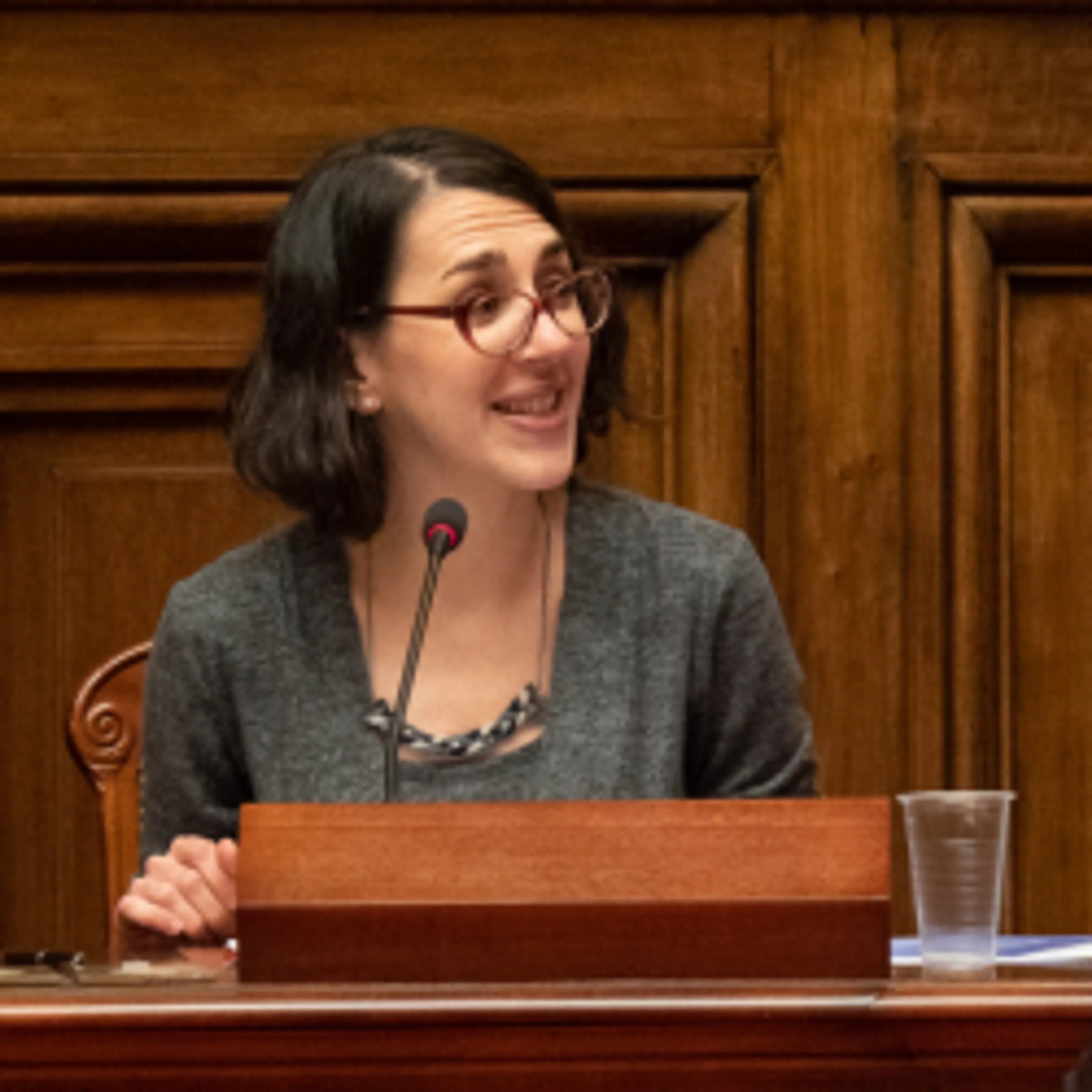
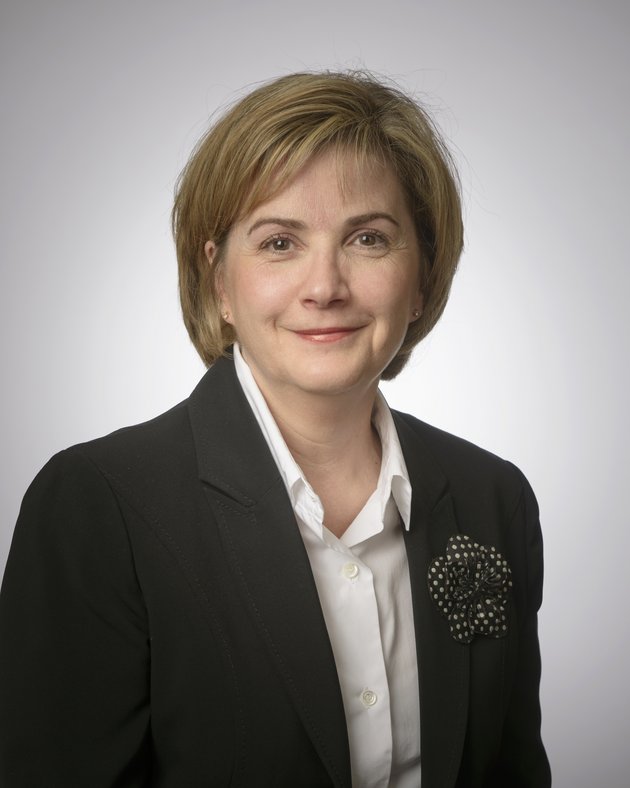
Alexandra Bahary-Dionne is a Doctoral Student and Part-Time Lecturer in the Civil Law Section of the University of Ottawa's Faculty of Law, where she teaches Obligations Law. Her SSHRC- and FRQSC-funded doctoral research examines law-economy-inequality intersections through ethnographic studies of personal debt among impoverished populations.
Her academic credentials include:
- LL.M. in Law and Society, Université du Québec à Montréal (2020)
- Graduate Diploma in Communication, Concordia University (2018)
- LL.B. in Law, Université du Québec à Montréal (2015)
Her research critically analyzes poverty regulation, personal debt jurisprudence, financialization of social protection, and access to justice through qualitative methodologies. She employs ethnographic approaches to investigate legal consciousness among marginalized communities, challenging conventional law-and-economics frameworks with postcapitalist perspectives. Her work bridges civil law doctrine with political sociology to expose how legal structures perpetuate socioeconomic stratification.
Her publications reveal consistent thematic focus on pandemic-era access to justice barriers, poverty commodification, and Indigenous data sovereignty, predominantly in French-Canadian legal journals. Methodologically, she integrates critical legal theory with ethnographic rigor to examine how legal institutions interact with financial markets and social vulnerability.
Her scientific recognition includes:
- Minerve award for best master's thesis (2022)
Supervised by Professor Pascale Cornut St-Pierre, her doctoral work receives major funding from SSHRC and FRQSC. She contributes to access-to-justice initiatives through Clinique Droits Devant and pandemic-response research collaborations. Her grant portfolio emphasizes community-engaged scholarship addressing systemic barriers for unrepresented litigants.
She actively participates in research collectives including the Centre on Legal Cultures and Civil Law (as Coordinator), Clinique Droits Devant (Board Member), International Observatory on AI Impacts, and Profiling Observatory, driving interdisciplinary work on digital justice and social stratification.