معرفی
Alan Lester is Professor of Historical Geography at the School of Global Studies, University of Sussex, where he has been a faculty member since 2000 and was promoted to Professor in 2006. He also holds an Adjunct Professorship in History and has held visiting positions at Rhodes University, the University of Fort Hare, and La Trobe University, where he was Research Professor in Historical Studies. He is a Fellow of the Royal Historical Society and co-editor of the Manchester University Press Studies in Imperialism series.
His academic background includes a first degree from the University of Cambridge and a PhD from the University of London. His research centers on British imperial history, with a focus on colonialism, humanitarianism, liberalism, and the cultural legacies of empire. He critically examines how historical narratives are constructed and contested, particularly in contemporary culture wars over reparations, statues, and national identity.
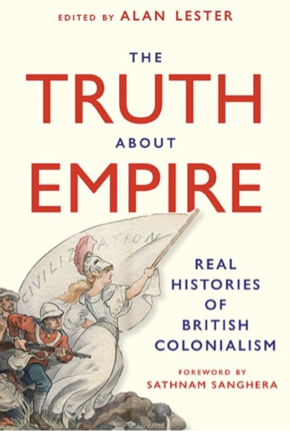
His recent publications, including The Truth About Empire (2024), Deny and Disavow (2022), and Ruling the World (2021), analyze the ideological rehabilitation of empire and challenge attempts to minimize colonial violence. His articles and blog posts reveal a consistent thematic focus: the enduring impact of slavery, the myth of imperial benevolence, and the political use of history.
His scholarly output demonstrates a strong trend toward public-facing history, engaging with media, policy debates, and public memory. He frequently critiques right-wing revisionism and emphasizes the ethical necessity of confronting uncomfortable imperial truths. His work bridges academic rigor with urgent public relevance.
- Fellow of the Royal Historical Society
- Erskine Fellowship, University of Canterbury
- Inaugural Fellowship in Humanities, La Trobe University
Alan Lester has supervised and collaborated with numerous scholars and doctoral candidates, though specific student names are not listed in the provided texts. He has been involved in major research projects and editorial work, contributing significantly to grant-funded scholarship in imperial and postcolonial studies. He is a key figure in public history initiatives, including those related to the Church of England’s links to slavery and reparative justice.
He is actively involved in research networks and blogs regularly on his institutional website, addressing topics such as the West Africa Squadron memorial, the legacy of Capability Brown, and responses to political figures like Nigel Biggar and Kemi Badenoch. His digital presence includes Twitter and Bluesky, where he engages in scholarly and public discourse.