معرفی
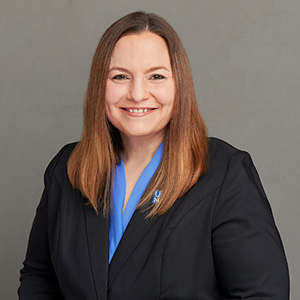
Abby Meyer, Ph.D., serves as an Associate Professor in the Department of Psychological Science at the University of North Georgia, where she has been a faculty member since August 2015. Her teaching portfolio includes core courses such as Introduction to Psychology, Biopsychology, and Advanced Neuroscience, alongside specialized labs and seminars.
Dr. Meyer's academic credentials are as follows:
- Ph.D. in Experimental Psychology, Behavioral Neuroscience, University of Memphis (2015)
- M.S. in Experimental Psychology, Behavioral Neuroscience, University of Memphis (2013)
- B.S. in Psychology with minors in Neuroscience and Spanish, College of Charleston (2009)
Her research program centers on the neural mechanisms of learning and memory, with a particular emphasis on how environmental toxins and teratogens disrupt neurodevelopmental processes. By integrating behavioral, cognitive, and developmental neuroscience approaches, she investigates the pathways that govern memory systems and the factors that impair executive functioning. This work is critical for understanding neurodevelopmental disorders and designing interventions.
Analysis of her recent publications reveals a consistent focus on the neurotoxicological effects of polychlorinated biphenyls (PCBs) and their interaction with psychostimulants like cocaine. Her studies demonstrate that perinatal PCB exposure alters dopamine-related behaviors and increases vulnerability to substance abuse, highlighting the long-term neurological consequences of early-life environmental contaminant exposure.
Dr. Meyer actively mentors students in her research laboratory, fostering a collaborative environment where undergraduates and graduates contribute to ongoing projects. Although specific grant information is not detailed in the provided text, her productive publication record suggests successful funding acquisition to support her research program.
The Meyer Lab at UNG operates within the Department of Psychological Science and utilizes rodent models to study behavioral toxicology. The lab's work contributes to the broader scientific community through affiliations with organizations such as the Society for Neuroscience and the Developmental Neurotoxicology Society.