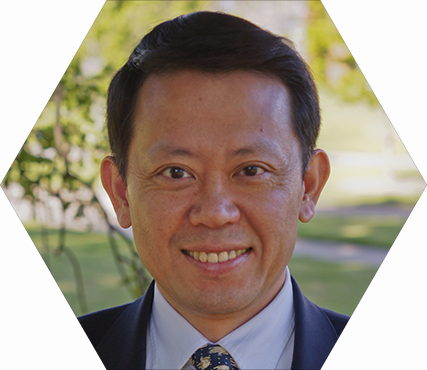
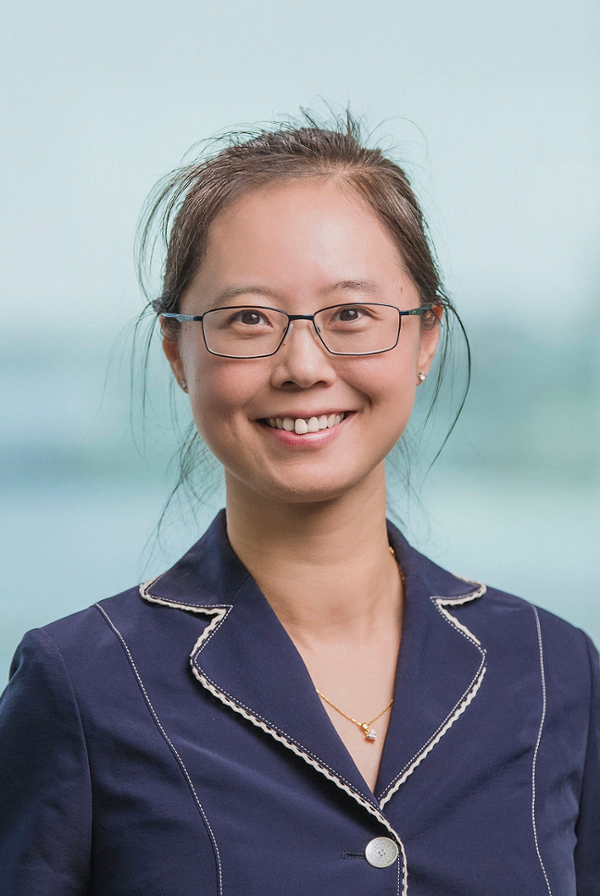
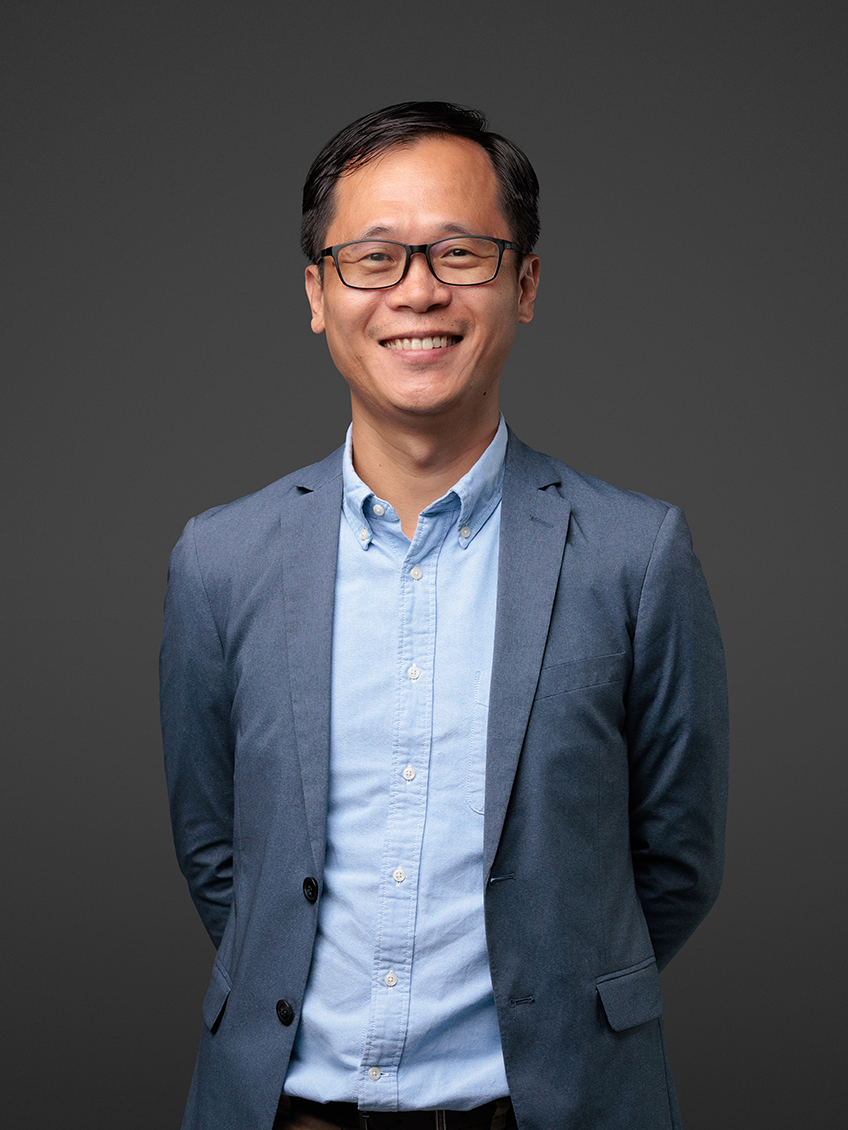
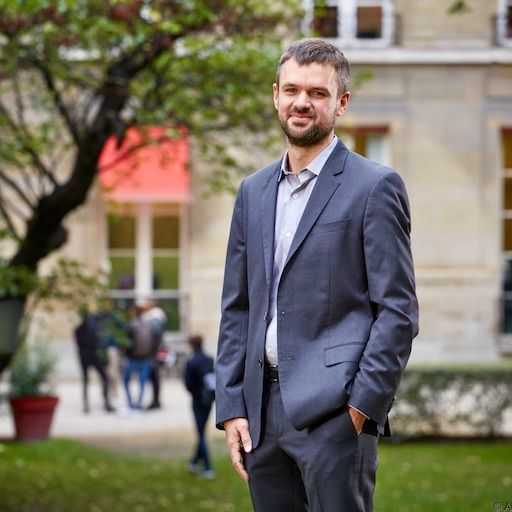
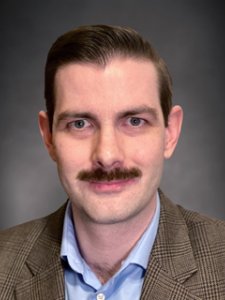
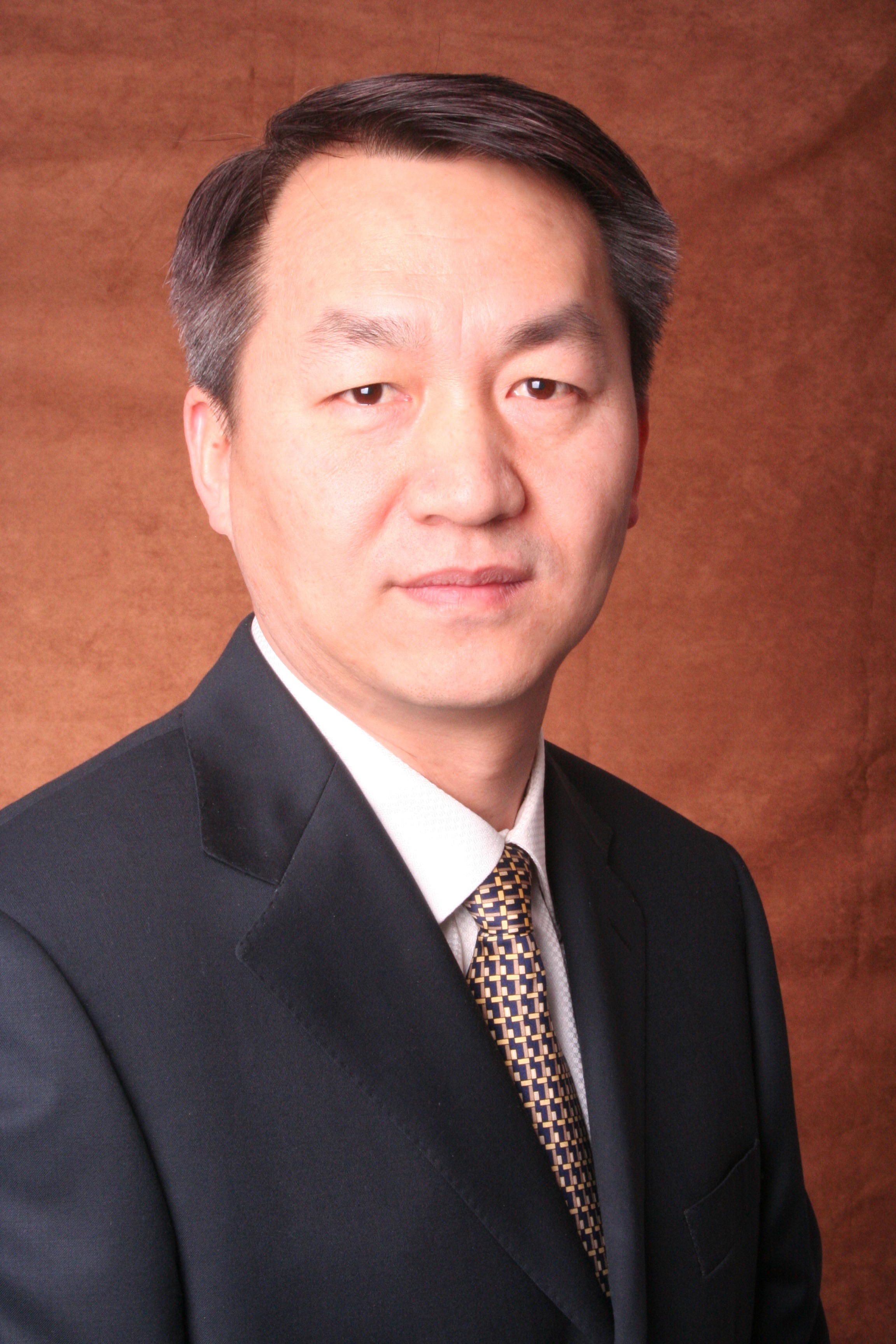
Steven Y. Liang , Regents' Professor at the Georgia Institute of Technology 's Woodruff School of Mechanical Engineering, focuses on precision manufacturing , additive manufacturing , and materials-driven process optimization . His research program bridges materials science and computational mechanics to develop predictive models for advanced manufacturing systems. Ph.D., University of California, Berkeley (1987) M.S., Michigan State University (1984) B.S., National Cheng-Kung University, Taiwan (1980) Dr. Liang's work emphasizes physics-based modeling of thermal-mechanical interactions in machining and additive manufacturing, particularly for Ti6Al4V and Inconel 718 alloys. Recent publications highlight tool wear prediction , laser-assisted micro-milling , and residual stress modeling using machine learning and analytical mechanics. His research has been recognized with the ASME Milton C. Shaw Manufacturing Research Medal (2016) , SME Gold Medal (2021) , and Outstanding Lifetime Service Award of NAMRI/SME (2021) , among others. Funded by federal agencies and aerospace/automotive industries, his work provides scientific foundations for process planning and optimization.
Barbara Bigliardi is an Associate Professor at the Department of Engineering and Architecture, University of Parma, with national scientific qualification for full professor in Economic-Management Engineering (SSD ING-IND/35). She serves as President of the Management Engineering Program at University of Parma and Director of Bachelor's/Master's programs at University of San Marino, co-leading double-degree initiatives between the two institutions. Over 100 publications (57 SCOPUS-indexed) with H-index=20 Editorial roles: Cambridge Scholars Publishing (2019), MDPI Sustainability, Sci, European Journal of Innovation Management Key research areas: Open Innovation, Technology Transfer, Food Industry Innovation, Industry 4.0, Supply Chain Sustainability Recent Publications (2024-2025) demonstrate leadership in: Industry 4.0 integration with circular economy AI applications in public administration and healthcare Digitalization of food supply chains Green startup resource orchestration Simulation-based optimization in remanufacturing Sustainable additive manufacturing Scientific Recognition : 2005 Emerald Highly Commended Award 2013 Most Cited Paper in Trends in Food Science & Technology 2019 Highly Cited Paper in Review of Policy Research Research Leadership includes: National Observatory on Start-ups (President since 2021) National Observatory on Reputation (Vice President since 2019) INAIL-funded mobile risk assessment systems (2018-2020) INAF space technology transfer projects (2018-present) Academic Contributions : Supervised over 300 theses Deputy Coordinator of Industrial Engineering Doctoral Program Director of Management Engineering Programs (Parma & San Marino) Founder of academic spin-offs: Sistemi per il marketing di contenuto S.r.l. (2016-present), Univenture SrL (2006-2010)
Dr. Shuangshuang Jin is an Associate Professor in the School of Computing with a joint appointment in the Department of Electrical and Computer Engineering at Clemson University's College of Engineering, Computing and Applied Sciences. Previously, she served as a Senior Research Scientist at Pacific Northwest National Laboratory. Her educational background includes a Ph.D. in Computer Science (2007), M.S. in Computer Science (2003) from Washington State University, and a B.S. in Computer Science (2001) from Wuhan University. Ph.D., 2007 - Washington State University, Computer Science M.S., 2003 - Washington State University, Computer Science B.S., 2001 - Wuhan University, Computer Science Dr. Jin specializes in high-performance computing (HPC), distributed and parallel computing, general-purpose computation on graphical processing units (GPGPU), and HPC-based big data analysis, machine learning, scientific computation, and visualization. Her research focuses on applying these technologies to electrical engineering (power and energy systems, power electronics), automotive engineering, systems biology, and computer graphics. She leads the High-Performance Computing Enabled Science and Engineering (HPCeSE) Lab, where she supervises six PhD students working on HPC implementations for power system dynamic simulation, GridPACK application development, data-driven model-based smart control of power electronics converters, and other cutting-edge projects. Her recent publications demonstrate expertise in accelerating power system simulations, PV inverter reliability assessment, edge computing for power systems, and virtual prototyping of vehicle powertrain systems. The research trends show increasing focus on GPU acceleration, real-time simulation capabilities, and integration of HPC with emerging power system challenges. Junior Faculty Excellence in Teaching award (2021) Churchill Carter Fellowship (2022-2023) Zucker Graduate Education Center PhD Grant (2023) Doctoral Dissertation Completion Award (2023-2024) Outstanding Masters Student in Computer Science award (2022) Dr. Jin has successfully secured multiple grants from DOE, DOD, and other agencies for projects including 'Vehicle Propulsion Digital Twins', 'GridPACK-Wind', and 'Tool for Reliability Assessment of Critical Electronics in PV (TRACE-PV)'. She has advised numerous PhD and Master's students who have gone on to positions at national laboratories and industry. Her HPCeSE Lab maintains strong connections with Pacific Northwest National Laboratory, Fermi National Accelerator Laboratory, and other research institutions, providing students with valuable internship opportunities. Dr. Jin leads the High-Performance Computing Enabled Science and Engineering (HPCeSE) Lab at Clemson University, which focuses on developing optimized HPC-based parallel programming algorithms and architectures to solve complex scientific and engineering domain problems. The lab works on smart grid modeling and simulation, power electronics reliability assessment, ground vehicle systems prototyping, and advanced grid analytics, utilizing OpenMP, MPI, Pthreads, and CUDA/OpenCL on various computing platforms.
David Shipworth is Professor of Energy and the Built Environment at University College London (UCL), affiliated with both the UCL Energy Institute and the Bartlett School Env, Energy & Resources. He chairs the International Energy Agency’s User-Centred Energy Systems (Users TCP) programme and represents the UK government in this role. Current appointment: 1 Oct 2017 – 1 Jan 2100 at UCL Previous academic roles: Reader (2009–2017) and Lecturer (1999–2008) at UCL and University of Reading Research focuses on: Energy demand flexibility and local energy market models Consumer behavior in distributed energy systems (DERs) Peer-to-peer energy trading and transactive energy systems Design and evaluation of field trials for DER acceptability Thermal comfort and health implications of heating behavior Scientific contributions include: Editorial Board Member, Nature: Scientific Data EPSRC Peer Review College member Key participant in IEA initiatives and UK government advisory groups Teaching involves postgraduate supervision and teaching on UCL’s Smart Energy and the Built Environment MSc programme, with a focus on: User roles in energy transitions Collective-good outcomes in energy systems Business value propositions for smart energy solutions Professional activities span advisory roles for UK and European energy projects, conference speaking engagements, and consultancy work for organizations like UK Power Networks, Energy Systems Catapult, and the International Energy Agency.
Jamshid Mohammadi is the Interim Provost and Professor of Civil and Architectural Engineering at Illinois Institute of Technology (IIT), within the Armour College of Engineering. He holds a Ph.D. in Civil Engineering (Structural Engineering) from the University of Illinois at Urbana-Champaign. His research focuses on structural integrity, seismic damage analysis, bridge performance, and risk assessment in transportation systems. Research Projects: He leads studies on bridge fatigue, seismic vulnerability, structural health monitoring, and disaster resilience. Notable projects include investigating horizontally curved bridges, seismic damage to skewed bridges, and probabilistic models for fatigue failure in metals. His work often involves collaborations with institutions like NASA and the Illinois Department of Transportation. Publications & Books: Mohammadi has authored over 150 peer-reviewed articles and two influential books: Systems Engineering, with Economics, Probability and Statistics and NDT Methods Applied to Fatigue Reliability Assessment of Structures . His work bridges theoretical models with practical engineering solutions. Expertise: His expertise spans system reliability, highway bridge analysis, and probabilistic methodologies for infrastructure assessment. He advises on temporary structure design, post-disaster risk mitigation, and lifecycle cost optimization. Grants & Recognition: His projects are funded by federal and state agencies. While no specific awards are listed, his extensive publications and leadership roles highlight his impact in civil engineering education and practice.
Canice Prendergast is the W. Allen Wallis Distinguished Service Professor of Economics at the University of Chicago Booth School of Business, specializing in economic theory, labor economics, and organizational behavior. His groundbreaking work includes redesigning Feeding America's food distribution system using market-based mechanisms, significantly increasing efficiency in nonprofit food allocation. He joined Chicago Booth in 1990 after holding positions at Oxford and Yale. Education: PhD in Economics, Yale University (1989) MSc in Economics, London School of Economics (1986) BA in Economics, Trinity College Dublin (1983) Prendergast's research explores incentive design, market mechanisms in nonprofit contexts, and bureaucratic efficiency. His current focus includes market-based solutions for social impact organizations and the economics of resource allocation under constraints. His publications demonstrate consistent focus on incentive structures across sectors, with recent work emphasizing practical applications in social impact. Key themes include market design for nonprofits, risk-incentive relationships, and efficiency optimization in bureaucratic systems. Awards & Fellowships: Two National Science Foundation Awards Ladany Scholar (1995) Faculty Research Fellow, National Bureau of Economic Research Prendergast has served as editor for the Journal of Political Economy and Journal of Labor Economics . His research on Feeding America's distribution system has been featured in major publications including The Economist , Financial Times , and Fortune .
Chen Binbin is an Associate Professor and Associate Head of Pillar (Innovation and Enterprise) in the Information Systems Technology and Design (ISTD) pillar at Singapore University of Technology and Design (SUTD). He serves as Deputy Director for the Future Communications Research and Development Programme (FCP), Singapore. Previously, he was a Principal Research Scientist at the Advanced Digital Sciences Center (now Illinois ARCS), affiliated with the University of Illinois. Education: PhD in Computer Science from National University of Singapore, and Bachelor's from Peking University. Research focuses on wireless networking, distributed systems, and cyber security for critical infrastructures like smart grids and industrial control systems. His work addresses secure communications, intrusion detection, and resilience against cyber-physical threats. Notable contributions include error-estimating coding, provenance verification in ICS, and AI-driven network security solutions. Key awards include the 2010 ACM SIGCOMM Best Paper Award for error-estimating coding research. His grants span agencies like Singapore's National Research Foundation (NRF), Cyber Security Agency (CSA), and Energy Market Authority (EMA). He leads projects on secure smart grid communication, industrial control system defense, and AI-enhanced cybersecurity tools. Technical leadership involves developing frameworks like CyberSAGE for security assessment and CMD for IoT malware detection. Active in collaborations with industry and government, his work bridges theory and practice in securing critical infrastructure systems.
Matthew Johnston is an Associate Professor in the School of Electrical Engineering and Computer Science at Oregon State University. His research focuses on integrating sensors with CMOS circuits, stretchable electronics, and bio-energy harvesting. He holds a B.S. from Caltech and a Ph.D. from Columbia University. Prior to academia, he co-founded Helixis, a biotech instrumentation startup, and worked in venture capital. His awards include the 2020 SRC Young Faculty Award and 2021 Teaching Excellence Award. Education : B.S., Electrical Engineering, California Institute of Technology, 2005 M.S., Electrical Engineering, Columbia University, 2006 Ph.D., Electrical Engineering, Columbia University, 2012 Research Interests : Johnston explores lab-on-CMOS platforms, stretchable sensor systems, and energy harvesting for low-power applications. His work bridges electronics engineering with biomedical and environmental fields, emphasizing practical applications through interdisciplinary collaboration. Awards : 2020 Semiconductor Research Corporation Young Faculty Award 2021 Oregon State University Teaching Excellence Award 2021 Provost Fellowship Advising & Grants : Johnston’s research is supported by grants from industry and federal agencies. His lab, the SIM Lab, develops innovative electronic systems for healthcare and environmental monitoring. Labs & Teams : He leads the SIM Lab , focusing on interdisciplinary projects in integrated circuits and biomedical applications.
Luca Barra is Full Professor of Television and Digital Media at the Department of Arts, University of Bologna. His research focuses on media studies, particularly television history and contemporary evolution, transnational circulation of content, serialization, and comic/humorous genres. He has coordinated the Master's Degree in Information, Cultures and Media Organization since 2021 and serves as editor-in-chief of VIEW. Journal of European TV History and Culture. University of Bologna, Department of Arts Research areas: Television History, Transnational Media, Digital Transformation, Italian TV Production Barra's work examines the international mediation of ready-made TV formats, Italian streaming partnerships, and the cultural implications of digital television. His recent articles analyze dystopian narratives, sitcom reception in Italy, and the redefinition of celebrity during the pandemic. He contributes to academic discourse through editorial roles in journals like SERIES and Comunicazioni Sociali. His publications include monographs on Italian television programming, sitcoms, and co-edited volumes exploring European premium TV fiction and digital media frameworks. Barra has led research projects such as ATLas and F-ACTOR, and collaborates with international institutions including Brown University and NECS.
Benjamin Marx is an Assistant Professor of Economics at Boston University and an affiliated researcher at Sciences Po's Department of Economics. He is also affiliated with CEPR, NBER, BREAD, J-PAL, and AALIMS. Marx holds a PhD in Economics from MIT (2018). His research focuses on political economy and development, with a particular emphasis on elections, religion, and state-building in global and historical contexts. He explores how political institutions, cultural factors, and historical processes shape economic development, including topics like democratic accountability, religious politics, and urban poverty. Education: PhD in Economics, MIT, 2018 Research Interests: Political Economy of Elections and Democracy Religion and Political Institutions Historical State-Building Ethnic Favoritism and Discrimination Urban Poverty Dynamics Awards: Oliver Williamson Best Conference Paper Award (SIOE 2022) Grants & Collaborations: Co-author on projects funded by J-PAL, NBER, and the French National Research Agency (ANR) Collaborations with institutions like Sciences Po, Harvard, and MIT His work bridges theoretical frameworks with empirical studies, often leveraging historical and global datasets to analyze institutional and cultural drivers of development.
David K. Hall is an Assistant Professor in the Department of Aerospace Engineering at Pennsylvania State University, College of Engineering. His research focuses on advanced propulsion systems and aerodynamic integration for next-generation aircraft. He is actively involved in projects related to electric and hybrid-electric propulsion, boundary layer ingestion, and sustainable aviation technologies. Assistant Professor, Department of Aerospace Engineering, Penn State Researcher in Electrified Propulsion and Airframe Integration Contributor to NASA-affiliated research initiatives Dr. Hall's research interests center on improving aircraft efficiency and reducing environmental impact through innovative propulsion technologies. His work emphasizes boundary layer ingestion , distributed electric propulsion , and conceptual aircraft design optimization . He investigates how integrating propulsion systems with airframes can reduce fuel consumption and emissions, particularly in transport aircraft. The recent publications demonstrate a strong trend toward electrified and hybrid-electric aircraft systems, with a focus on mitigating flow distortion, optimizing fan-motor co-design, and assessing the environmental and economic viability of liquid hydrogen-fueled aircraft. His work bridges fundamental fluid dynamics with practical engineering applications in sustainable aviation. Dr. Hall has contributed to significant advancements in understanding the benefits and challenges of boundary layer ingestion, collaborating with leading researchers from MIT and NASA. While no formal scientific awards are listed, his publications in top-tier journals such as Journal of Turbomachinery and AIAA Journal reflect high research impact. He is likely involved in federally funded research projects, particularly through Penn State’s Vertical Lift Research Center of Excellence. He advises graduate students in aerospace research, particularly in propulsion and aerodynamics, though specific names are not listed. His lab or research group likely focuses on computational and experimental analysis of advanced propulsion concepts, possibly involving partnerships with industry and government agencies. Future work may explore cryogenic fuels, supersonic sustainable flight, and autonomy in electric aircraft.
高建 (Gao Jian) is a Professor and doctoral supervisor at Tsinghua University's School of Economics and Management, where he also serves as Deputy Director of the Academic Committee and Director of the G20 Entrepreneurship Research Center. His prior leadership roles include Party Committee Secretary (2014–2019), Vice Dean (2012–2015), and Department Director. He holds visiting scholar credentials from Stanford University and MIT. Education: 2004: Visiting Scholar, Stanford University Graduate School of Management 2000: Visiting Scholar, MIT Sloan School of Management 1997: Visiting Scholar, MIT Sloan School of Management 1996: PhD, Tsinghua University Research Interests: Gao Jian specializes in venture capital, entrepreneurship, strategic management, and corporate transformation. His recent work explores G20 entrepreneurship policies, technology-driven ventures, sustainable business models, and digital innovation. His interdisciplinary approach integrates economics, psychology, and policy analysis to address global entrepreneurial challenges. Publications: His research spans empirical studies on entrepreneurial psychology, innovation ecosystems, venture financing, and policy impacts. Articles frequently analyze China's entrepreneurial landscape, emphasizing job creation, technology commercialization, and cross-border investment trends. Longitudinal and large-scale datasets underpin his work on startup success factors and ecosystem development. Awards & Honors: 2021–2020: Tsinghua SEM EMBA/Executive Education Teaching Excellence Awards 2020: National First-Class Undergraduate Course (co-led) 2019: Outstanding Master’s Thesis Supervisor 2018: National Education Award (Second Prize), Outstanding Doctoral Supervisor 2017: Beijing Education Award (First & Second Prize) 2014: Best Paper Award (China Strategy Forum) 2013: National Research Award (Third Prize) 2007: Ministry of Education ‘New Century Talent’ Teaching & Advising: He teaches courses across undergraduate, MBA, EMBA, and executive programs, including Entrepreneurial Management , Venture Capital , and Corporate Control . Recognized for mentoring excellence, he received Tsinghua’s Outstanding Thesis Supervisor awards (2018–2019) and led the design of nationally accredited curricula. Leadership: As Director of the G20 Entrepreneurship Research Center, he coordinates international policy analyses and promotes best practices in entrepreneurship ecosystems. The center’s outputs include comparative studies and global reports influencing G20 policy frameworks.
Dr. Gloria Crisp is a Professor of Adult and Higher Education at Oregon State University and currently serves as Associate Dean in the College of Education. With 25 years of experience in community colleges and bachelor’s granting institutions, her work focuses on equity in higher education , particularly for Latinx students and other minoritized populations. Research Focus : Transfer pathways, mentoring frameworks, and policies reducing educational inequities Key Contributions : Created the College Student Mentoring Scale (CSMS), used globally to assess mentoring effectiveness Awards : ASHE 2020 Mentoring Award Leadership : Former Editor-in-Chief of New Directions for Institutional Research , President of Council for the Study of Community Colleges (2022-23) Publications include over 60 articles in journals like American Educational Research Journal and Research in Higher Education , with citations exceeding 10,000. Her co-edited book Unlocking Opportunity through Broadly Accessible Institutions (2022) challenges deficit narratives about broad-access universities.
Dr. Daisy Chou is an Associate Professor at the School of Economics, Finance and Marketing at RMIT University, Melbourne, Australia. Previously, she held academic roles at the University of Otago (New Zealand), University of Bath (UK), and La Trobe University (Australia). She earned her Ph.D. in Economics from Queen's University Belfast, UK. Her research focuses on corporate governance, executive compensation, board behavior, and M&A activities in Asian and U.S. markets. She has published widely in top journals such as the Journal of Financial and Quantitative Analysis and Journal of Corporate Finance . Her work explores topics like executive pay disparity, board meeting attendance impacts, and institutional overconfidence effects. Recent studies include analysis of FinTech innovations and corporate governance practices in emerging markets. Dr. Chou is actively engaged in supervising research projects on CSR, climate risk, corporate sustainability, and global financial market dynamics.
Jiao Luo is an Associate Professor and Andrew Van de Ven Faculty Fellow in the Strategic Management & Entrepreneurship department at the University of Minnesota's Carlson School of Management. She holds a Ph.D. in Management from Columbia Business School (2012), an MPA in Public and Economic Policy from London School of Economics/Columbia University (2005), and a B.S. in Economics from Renmin University of China (2002). Education Ph.D., Management (Columbia Business School, 2012) MPA, Public & Economic Policy (London School of Economics & Columbia University, 2005) BS, Economics (Renmin University of China, 2002) Her research sits at the intersection of organization theory and non-market strategy, focusing on how corporate social responsibility (CSR) activities and collective governance arrangements impact firm performance and societal outcomes. She examines questions about the strategic value of non-market actions, the comparative efficiency of organizational forms in social goods provision, and the institutional dynamics of market governance. Recent publications in Strategic Management Journal and Administrative Science Quarterly explore topics like philanthropy's role in reputation insurance, CSR in employee governance, comparative governance models for public services, and institutional failures in financial systems. Her work combines theoretical rigor with empirical analysis across diverse contexts including petroleum industries, internet provision, and banking sectors. Scientific Awards Strategic Management Society (SMS) Best Conference Paper Prize (Honorable Mention) Academy of Management Meeting STR Division Distinguished Paper Award (Winner) Alliance of Research in Corporate Sustainability Outstanding Paper Award (Winner) Carlson School of Business Awards (Research, Teaching, Service) As Associate Editor of Strategic Management Journal and editorial board member at multiple top-tier outlets, she plays significant leadership roles in academic governance. Her teaching includes MBA and PhD courses on sustainability strategy and non-market strategy.