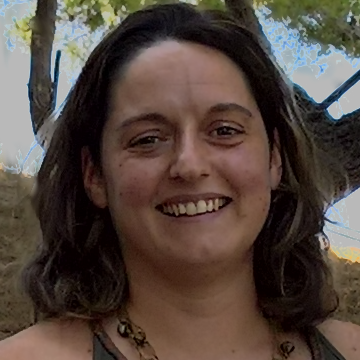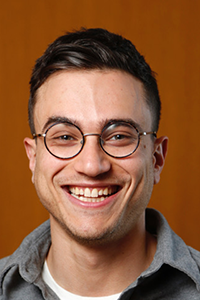
Eva KlopockiView profile
Professor
Professor Eva Klopocki serves as a Professor of Human Genetics at the Institute of Human Genetics within the Biocenter of the University of Würzburg. Her research group focuses on the genetic basis of congenital malformations, particularly limb and craniofacial abnormalities. She has established herself as a leading researcher in copy number variations (CNVs) and their role in human disease pathogenesis. Dr. Klopocki completed her biology studies at the University of Ulm (1994-2000), earned her doctorate in biology from the Free University of Berlin (2004), and obtained a part-time MBA in Biotechnology and Medical Engineering from the University of Potsdam (2005-2007). Prior to her current position, she led a research group at Charité University Medicine Berlin (2003-2012) and headed the Array-CGH Laboratory there (2006-2012). Her research program investigates how copy number alterations (CNVs) contribute to congenital malformations and rare diseases. She employs molecular karyotyping/microarray-based comparative genomic hybridization (array CGH) for genome-wide screening of CNVs. Her work spans multiple projects including the BMBF-funded FACE network studying craniofacial malformations, Philadelphia-type craniosynostosis research, and investigations into congenital limb malformations. Her team utilizes model systems such as zebrafish and mice to functionally validate genetic findings. Analysis of her publication record reveals consistent focus on non-coding regulatory elements in human disease, with recent work expanding into zebrafish modeling, induced pluripotent stem cell systems, and advanced genomic diagnostics. Her research bridges basic science with clinical applications, particularly in rare disease diagnosis. German Society for Human Genetics award European Society for Human Genetics award Professor Klopocki leads multiple research collaborations including the BMBF-funded FACE network for craniofacial malformations involving partners in Berlin, Essen, Freiburg, Cologne, and Tübingen. Her work on craniosynostosis involves collaboration with the Department of Neurosurgery and Pediatric Neurosurgery at the University of Würzburg. Her research group actively recruits patients with primary craniosynostosis and congenital limb malformations for genomic studies. Her laboratory employs array CGH analyses for genome-wide detection of CNVs, followed by whole-exome sequencing when necessary. Functional validation utilizes RNA in situ hybridization, immunohistochemical staining, and animal models including zebrafish for limb development studies. Her team has developed specialized custom arrays covering non-coding genomic regions with potential regulatory functions for genes involved in craniofacial development.