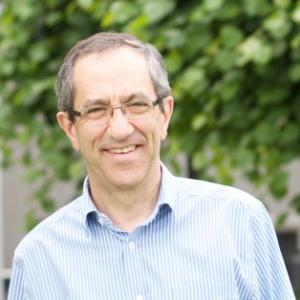
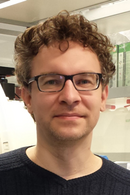
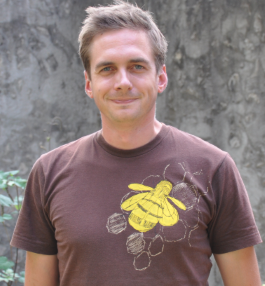
Livio Trusolino is a Professor in the Department of Oncology at the University of Turin, affiliated with the Institute for Cancer Research and Treatment (IRCCS) in Candiolo. His research focuses on mechanisms of neoplastic transformation, growth factor receptor signaling, and preclinical models of targeted therapies, particularly in colorectal cancer. He leads courses such as 'Targeted Therapies in Colon Cancer' and contributes to the MD-PhD Program in Medicine. His work integrates molecular profiling (proteomics, genomics) with experimental models like patient-derived xenografts to study drug sensitivity and resistance. Key collaborations include projects on KRAS mutations, EGFR blockade, and drug combination therapies. He chairs academic bodies within the Department of Oncology and oversees the Molecular Pharmacology Laboratory. Recent research highlights include identifying biomarkers for therapeutic response and elucidating adaptive mutability in cancers. His contributions bridge basic science and clinical applications, advancing precision oncology strategies for colorectal cancer.
Dr. Andrew Bassett serves as Head of the Cellular and Gene Editing Research group at the Wellcome Sanger Institute, where he develops cutting-edge genome engineering techniques using human pluripotent stem cells to investigate neurodegenerative diseases including Alzheimer's and Parkinson's. His work focuses on scaling genetic screening approaches and improving CRISPR specificity for modeling complex disease mechanisms. His academic training includes: PhD at the MRC Laboratory of Molecular Biology (MRC-LMB) with Andrew Travers on chromatin remodelling in heterochromatin formation Postdoctoral research with David Baulcombe at the University of Cambridge studying small RNA roles in chromatin modification Additional postdoctoral work with Chris Ponting at the MRC Functional Genomics Unit (MRC-FGU) in Oxford, where he pioneered CRISPR applications in Drosophila Bassett's research program centers on developing advanced genome engineering methodologies for precise modulation of gene expression networks during development and neurodegeneration. His group specializes in creating complex editing events (SNPs, paired knockouts, enhancer perturbations) within iPSC-derived models, with particular emphasis on epigenetic regulation and transcriptional control. Current projects integrate single-cell 'omics and phenotypic assays to decode genetic causes of neurodegenerative disorders through the OpenTargets consortium. Analysis of his 15 most recent publications reveals dominant trends in CRISPR technology development (35%), neurodegenerative disease modeling (30%), and single-cell functional genomics (25%). His work consistently bridges methodological innovation with disease mechanism studies, increasingly incorporating multi-omics approaches and expanding into cancer immunology and infectious disease applications since 2022. As group leader, Bassett mentors postdoctoral researchers and PhD students while securing major funding for genome engineering initiatives. His team operates within the Sanger Institute's Cellular Operations division and maintains critical partnerships with the OpenTargets consortium for therapeutic target validation. The laboratory specializes in high-throughput screening platforms using iPSC-derived neural and microglial models, with recent methodological advances including scSNV-seq and ONE-STEP tagging systems that significantly enhance precision genome editing capabilities.
Karen S. Anderson, M.D., Ph.D. is a Professor of Medicine at Mayo Clinic in Phoenix, Arizona, where she serves as a Contract Physician in the Division of Hematology/Oncology within the Department of Internal Medicine. Her clinical practice focuses on breast cancer, and she is affiliated with the Mayo Clinic Comprehensive Cancer Center and the Breast Clinic. As an active researcher, Dr. Anderson leads clinical trials in breast cancer immunotherapy and biomarker development. Dr. Anderson's educational background includes: Medical Scientist Training Program (MD), Duke University School of Medicine (1994) Ph.D. in Microbiology and Immunology, Duke University (1994) BA in Chemistry, University of Virginia (1986) Internship and Residency in Internal Medicine, Brigham and Women's Hospital, Boston Fellowship in Adult Hematology and Oncology, Dana Farber Cancer Institute Dr. Anderson's research focuses on cancer immunology with particular emphasis on breast cancer biomarkers, ovarian cancer biomarkers, pancreatic cancer biomarkers, cancer vaccines, and HPV-related cancers. Her work spans from basic immunology to clinical applications, with a strong focus on translating laboratory findings into clinical practice. She has developed innovative approaches for early cancer detection and has been instrumental in advancing breast cancer immunotherapy through clinical trials. Analysis of Dr. Anderson's recent publications reveals a consistent focus on breast cancer immunology, biomarker discovery, and HPV-related cancers. Her work integrates molecular biology, immunology, and clinical oncology to develop novel diagnostic and therapeutic approaches. Notably, her research has expanded to include computational approaches for neoantigen prediction and has addressed public health challenges including HPV-related cancer screening and even COVID-19 vaccine strategies. Dr. Anderson has received several prestigious awards: Outstanding Faculty Mentor Arizona State University Faculty Women's Association (2020) Chief Resident West Roxbury VA Hospital (1996) Phi Beta Kappa University of Virginia (1986) Merck Scholar (1986) Alpha Omega Alpha Honor Medical Society (1986) Echols Scholar University of Virginia (1982) Dr. Anderson has been actively involved in mentoring students and early-career researchers, serving on numerous thesis committees at Arizona State University across multiple departments including Molecular and Cellular Biology, Chemistry, and the Barrett Honors College. Her research is supported by multiple grants from the National Cancer Institute, including her role as Co-Chair of the Breast and Gynecologic Cancers Collaborative Group within the Early Detection Research Network. Dr. Anderson is a key member of the Arizona Biomarker Alliance Executive Committee and has established collaborative research teams focused on cancer biomarker discovery and validation. Her laboratory work integrates protein microarray technology, immunology, and cancer genomics to develop novel diagnostic and therapeutic approaches for breast and HPV-related cancers.
Paul Klenerman is a Professor at the Nuffield Department of Medicine within the Medical Sciences Division , University of Oxford. His research focuses on immune responses to infectious diseases including HIV, hepatitis B/C, and SARS-CoV-2, with emphasis on T-cell biology, vaccine development, and host-pathogen dynamics. Email: paul.klenerman@medawar.ox.ac.uk Collaborators: Ellie Barnes (Oxford), Adrian Hill (Oxford), Georg Lauer (Harvard), Robert Thimme (Freiburg), and others across 12 institutions. Key research themes include: CD161++/MAIT cell biology (bacterial/viral defense, liver immunology), HCV immune defense (vaccine trials using adenoviral vectors), and memory inflation (persistent immune responses post-viral infections). Recent publications (2024-2025) span vaccine immunology (hybrid immunity, bivalent boosters), liver immunobiology (MAIT cell repair mechanisms), infectious disease dynamics (HCV persistence, dengue progression), and single-cell analysis of gut/lung pathologies.
Benjamin Simons is the Royal Society EP Abraham Professor and Herchel Smith Professor of Physics at the University of Cambridge. He serves as Director of the Gurdon Institute, Senior Group Leader at the Gurdon Institute, Principal Investigator at the Cambridge Stem Cell Institute, and member of the Theory of Condensed Matter physics group. He is also a Fellow of St. John's College, Cambridge. His research integrates quantitative approaches from physics and mathematics with experimental biology to investigate stem cell fate regulation in tissue development, maintenance, and cancer pathogenesis. Research focuses on: Stochastic cell fate decisions in epithelial tissues Self-organization principles in tissue morphogenesis Single-cell lineage tracing and gene expression analysis Mathematical modeling of stem cell dynamics Cancer initiation through stem cell reprogramming Publication analysis reveals consistent themes: spatial dynamics of stem cell niches, mechanical regulation of cell fate, computational modeling of tissue organization, and evolutionary principles in cancer development. Recent work emphasizes in vivo lineage tracing, single-cell omics, and interdisciplinary approaches bridging physics and biology. Scientific Awards: Fellow of the Royal Society (FRS) Fellow of the Academy of Medical Sciences (FMedSci) Leads an interdisciplinary research group combining wet-lab experiments (lineage tracing, single-cell genomics) with theoretical modeling. Research supported by EPSRC, MRC, Wellcome Trust, Cancer Research UK, and Royal Society grants. Current projects include gliomagenesis mechanisms, spermatogenic wave regulation, and injury response pathways co-opted in cancer.
Dr. John Quale serves as Professor of Medicine in the Division of Infectious Diseases at SUNY Downstate Health Sciences University, where he has maintained continuous affiliation since medical school. For over 25 years, he has been an attending physician in Infectious Diseases at NYC Health + Hospitals/Kings County and currently holds the position of hospital epidemiologist at Kings County Hospital. His educational background includes: MD from SUNY Downstate Health Sciences University Residency at SUNY Downstate Health Sciences University Fellowship at SUNY Downstate Health Sciences University Dr. Quale's research centers on antimicrobial resistance mechanisms in Gram-negative pathogens, with particular expertise in Klebsiella pneumoniae epidemiology. His work investigates porin channel function, KPC carbapenemase expression, and novel antibiotic combinations to overcome resistance. He also focuses on infection control strategies for multidrug-resistant organisms in hospital settings, leveraging his dual role as clinician and epidemiologist to bridge laboratory findings with clinical practice. Analysis of his 2016-2018 publications reveals consistent focus on New York City's resistance landscape, particularly tracking KPC-producing K. pneumoniae evolution and evaluating next-generation beta-lactam/beta-lactamase inhibitor combinations. His studies combine in vitro susceptibility testing, molecular characterization, and epidemiological surveillance to address carbapenem-resistant Enterobacteriaceae threats, establishing him as a key investigator in regional antimicrobial resistance dynamics.
Ben Raphael is a Professor in the Department of Computer Science at Princeton University, with affiliations at the Lewis-Sigler Institute for Integrative Genomics, Omenn-Darling Bioengineering Institute, and Center for Statistics and Machine Learning. He is also an Affiliate Faculty member at the Rutgers Cancer Institute of New Jersey, Irving Institute for Cancer Dynamics at Columbia University, and New York Genome Center. His research focuses on computational methods for analyzing large-scale biological data, emphasizing cancer evolution, network/pathway analysis, and structural variation in genomes. Research Trends: His recent work spans cancer lineage trees, spatial transcriptomics, optimal transport for developmental models, and network analysis of mutations. Articles highlight applications in prostate cancer, pancreatic cancer, and single-cell genomics. Scientific Awards: 2024 ACM Fellow 2023 RECOMB Test of Time Award 2022 RECOMB Test of Time Runner-Up 2021 ISCB Innovator Award 2021 RECOMB Best Paper Runner-Up 2020 ISCB Fellow 2020 AACR Team Science Award 2011 NSF CAREER Award 2013 RECOMB Best Paper 2010-2012 Sloan Research Fellowship Advising: He has mentored numerous Ph.D. students and postdoctoral fellows, many of whom have transitioned to academic and industry roles. Current advisees include Uthsav Chitra, Gillian Chu, and Alexander Strzalkowski. Labs & Teams: Raphael leads the Raphael Lab at Princeton, developing tools like HotNet2, CHISEL, and HATCHet for cancer genomics and network analysis.
Sampsa Hautaniemi is a Professor at the Department of Biochemistry and Developmental Biology within the Faculty of Medicine at the University of Helsinki. He serves as Principal Investigator of the Systems Biology of Drug Resistance in Cancer research group and holds docentship in the Faculty of Medicine. Professor Hautaniemi actively supervises doctoral students across multiple programs including the Doctoral Programme in Biomedicine, Doctoral Programme in Clinical Research, and Doctoral Programme in Integrative Life Science. His research focuses on systems biology approaches to understand drug resistance mechanisms in cancer, particularly ovarian cancer. His work integrates computational biology, genomics, epigenetics, and bioinformatics to develop precision medicine approaches for cancer treatment. His laboratory develops innovative computational methods and experimental models including patient-derived organoids to study tumor evolution, identify therapeutic targets, and predict treatment responses. Analysis of his recent publications reveals a strong emphasis on understanding tumor heterogeneity, clonal evolution during therapy, and the development of computational tools for cancer genomics. His work spans multiple disciplines including cancer biology, computational biology, immunology, and precision medicine, with a particular focus on high-grade serous ovarian cancer as a model system. Scientific Awards: The Anders Jahre Medical Prize to young medical scientists (2014) for outstanding research on systems biology and cancer The Finnish Medical Foundation 50-years jubileum award (2010) Professor Hautaniemi has supervised numerous doctoral students and early-career researchers, contributing significantly to cancer research education. His research is supported by multiple active projects including the DECIDER project (Clinical Decision via Integrating Multiple Data Levels to Overcome Chemotherapy Resistance in High-Grade Serous Ovarian Cancer) funded until 2026, as well as projects from the Academy of Finland, Cancer Foundation, and industry partners like Orion Corporation. His laboratory maintains a patient-derived organoid biobank for high-grade serous ovarian cancer and develops computational tools like Jellyfish for visualizing tumor evolution.
Timothee Lionnet is an Associate Professor in the Department of Cell Biology at NYU Grossman School of Medicine. He holds a PhD from the University of Paris and completed postdoctoral training at Albert Einstein College of Medicine in Robert H Singer's lab. His research focuses on understanding how cells regulate gene expression through single-molecule imaging, bridging molecular-scale observations with cellular and tissue-level processes. Education: PhD in Paris, Postdoc at Einstein College of Medicine His work integrates live-cell imaging technologies, computational modeling, and systems genetics to investigate transcriptional dynamics, epigenetic regulation, and cellular responses to environmental cues. The Lionnet Lab develops novel tools to visualize gene activity in real time, aiming to uncover principles of robust gene expression programs and their role in diseases like cancer and viral reactivation. Recent research highlights include studies on chromatin landscape evolution in acute lymphoblastic leukemia, transcriptional stochasticity, and therapeutic resistance mechanisms in cancer cells. The lab collaborates on projects involving zinc finger design for genome editing and systems-level analysis of melanoma genetics. Lab activities emphasize interdisciplinary approaches, combining quantitative biology with clinical insights to advance regenerative medicine and cancer therapy strategies.
Professor Carlos Caldas is a leading academic in cancer medicine, affiliated with the University of Cambridge as a Professor of Cancer Medicine in the Department of Oncology . His research focuses on functional genomics of breast cancer, redefining its molecular taxonomy, studying clonal heterogeneity, and pioneering ctDNA as a liquid biopsy biomarker. MD (Lisbon), PhD (Porto, Honoris Causa) Member of the School of Clinical Medicine His laboratory has developed patient-derived tumor explants and advanced computational models for biomarker discovery. Recent work integrates AI with spatial transcriptomics and histopathology for precision oncology. Scientific Awards : Fellow of the Academy of Medical Sciences (FMedSci)
Professor Martin Peifer is a computational cancer genomics researcher at the University of Cologne, where he leads the Department of Translational Genomics. He serves as Principal Investigator of the Peifer Lab, which focuses on developing computational methods to analyze cancer genome sequencing data. His work is deeply integrated with the Center for Data and Simulation Science and he is an active member of the International Cancer Genome Consortium and the Pan-Cancer Analysis of Whole Genomes project. Peifer's research interests center on computational approaches to understanding cancer biology, with particular emphasis on tumor evolution and genome instability mechanisms. His lab develops methods to analyze somatic genome alterations including point mutations, copy number changes, and rearrangements. They also create computational tools for integrative genome analyses, tumor evolution reconstruction, and single-cell sequencing data analysis (both RNA and DNA). His interdisciplinary team applies high-performance computing and machine learning to interpret complex cancer sequencing data, aiming to better understand tumorigenesis, clonal evolution, and therapy resistance. Analysis of Peifer's extensive publication record reveals a strong focus on neuroblastoma and lung cancer genomics, with particular attention to tumor evolution patterns and genomic instability mechanisms. His work spans multiple cancer types but maintains consistent themes of computational methodology development and application to understand cancer progression and treatment resistance. The publications demonstrate increasing sophistication in analyzing intra-tumor heterogeneity and clonal dynamics over time. Peifer leads an active research group including postdoctoral fellows (Joel Kaufmann, Dr. Stephanie Pabel, Agnieszka Rumińska) and PhD students (Magdalena Seiffert, Justinas Valiulis). His lab is involved in the Collaborative Research Center 1399 focused on Mechanisms of Drug Sensitivity and Resistance in Small Cell Lung Cancer, indicating significant grant funding and collaborative research efforts. The Peifer Lab operates at the intersection of computational biology and cancer research, maintaining an interdisciplinary approach that combines bioinformatics, machine learning, and high-performance computing to address complex questions in cancer genomics. Their work has significant implications for understanding cancer evolution and developing more effective treatment strategies.
Xiaoyu Che is an Assistant Professor of Biostatistics at Columbia University's Mailman School of Public Health, where he serves as the principal biostatistician in the Center for Infection and Immunity (CII) at Columbia University Irving Medical Center. His work bridges statistical methodology with biomedical research, focusing on complex disease mechanisms through advanced data analysis approaches. Dr. Che received his academic training at prestigious institutions: BS in Mathematics from Zhejiang University (2006) PhD in Mathematics from Claremont Graduate University (2013) Dr. Che's research program centers on the development and application of statistical methods for multi-omics analyses, with particular focus on understanding the pathogenesis of chronic and neurodevelopmental conditions. His work spans multiple domains including Autism Spectrum Disorder (ASD), Myalgic Encephalomyelitis/Chronic Fatigue Syndrome (ME/CFS), and Gulf War Illness (GWI). He employs sophisticated biostatistical approaches to integrate diverse biological data types, revealing novel insights into disease mechanisms. His methodological expertise includes Bayesian statistics, metabolomic analysis, immune signature identification, and microbiome characterization, all aimed at translating complex biological data into meaningful clinical insights. Analysis of Dr. Che's publication record reveals a strong thematic focus on applying advanced statistical methods to understand complex disease mechanisms. His work consistently bridges biostatistical innovation with biomedical discovery, particularly in the areas of neurodevelopmental disorders and chronic fatigue conditions. The publications demonstrate progression from foundational methodological work to increasingly sophisticated multi-omics integration approaches, reflecting both technical growth and expanding research impact. His collaborative approach is evident through numerous high-impact publications with interdisciplinary teams across Columbia University and beyond. Dr. Che teaches BIST P8104: Probability in the Biostatistics MS degree program at Columbia, demonstrating his commitment to training the next generation of biostatisticians. While specific grant information isn't detailed in the provided materials, his extensive publication record across multiple high-impact journals suggests successful grant funding supporting his research program. As principal biostatistician in the Center for Infection and Immunity, Dr. Che plays a critical role in the analytical framework of the center's research initiatives. His work supports the center's mission to understand the relationship between infectious agents and human health through rigorous quantitative analysis. The collaborative nature of his research is evident in the diverse range of co-authors spanning immunology, virology, microbiology, and clinical medicine.
Marcel Dorken is a Professor in the Department of Biology at Trent University. He holds a B.Sc. from the University of Guelph, M.Sc. from Queen's University, Ph.D. from the University of Toronto, and postdoctoral training at Oxford University. His research focuses on the evolution and ecology of plant reproduction, particularly transitions from hermaphroditism to dioecy, clonality, and plant-pollinator interactions. He investigates these topics through field experiments, genetic analysis, and modeling. Current projects include studying the ecological impacts of invasive hybrid cattails and the role of spatial structure in plant fitness. Teaching responsibilities include BIOL 1020H (Foundations of Biodiversity), BIOL 3170H (Plants and their Ancestors), BIOL 3190H (Wild Plants of Ontario), and BIOL 4610H (Evolutionary Ecology). His lab actively mentors graduate and undergraduate students in field and lab-based research. Contact: marceldorken@trentu.ca, Office DNA C250.
Brian R. Smith is Professor of Laboratory Medicine, Biomedical Engineering, Internal Medicine (Hematology) and Pediatrics at Yale University. He serves as Deputy Dean for Clinical and Translational Research at the Yale School of Medicine, Co-Director of the Yale Center for Clinical Investigation, and Chair of the Department of Laboratory Medicine. Dr. Smith is also Chief of Laboratory Medicine and Attending Physician at Yale New Haven Hospital, as well as an attending physician at the Connecticut VA Medical Center and Bridgeport Hospital. Dr. Smith's research focuses on the inflammation-hemostasis interface, particularly in relation to biomaterials, and cellular immunotherapeutics. His work spans the full translational spectrum from basic wet bench research through clinical and epidemiological trials (T1-T4). He has been continuously funded by the NIH at the PI-level for over 35 years, demonstrating sustained excellence in translational research. His investigations have particular emphasis on hematologic malignancies, diagnostic accuracy, and the educational frameworks needed to train future laboratory medicine specialists. Analysis of Dr. Smith's publications reveals a consistent focus on advancing laboratory medicine through both clinical research and educational innovation. His work addresses critical issues in diagnostic accuracy, physician-scientist training pathways, and the integration of new technologies into clinical practice. The publications span oncology, hematology, medical education, and healthcare systems, reflecting his interdisciplinary approach to advancing laboratory medicine. Evans Award for Outstanding Contributions to Laboratory Medicine (2010) President, Academy of Clinical Laboratory Physicians & Scientists (2007-2008) Chair (elected), Research Committee and Member of the Council, Association of Pathology Chairs (2010) Dr. Smith has been instrumental in developing Yale's research infrastructure, overseeing implementation of research core facilities in Translational Immune Monitoring, Flow Cytometry, and Clinical Sample Real Time Acquisition. He chairs the Clinical Research Technology Committee and has guided the development of a Cellular Therapy core resource. As an educator, he has personally mentored over 50 MD, MD/PhD, and PhD trainees, most of whom hold tenure-track positions. He is the initiator and long-standing PI of Laboratory Medicine's post-doctoral T32 training program in Immunohematology. Dr. Smith has played a key national role in laboratory medicine education, developing curricula and physician-scientist training paradigms. Through his leadership in the Association of Pathology Chairs, he helped establish a specific Physician-Scientist residency pathway with the American Board of Pathology, addressing a critical need for specialized training in academic pathology.
Jonathan Weissman is a Professor of Biology at the Massachusetts Institute of Technology (MIT) and a Member of the Whitehead Institute. He is also an Investigator of the Howard Hughes Medical Institute and the Landon T. Clay Professor of Biology. His research spans protein folding mechanisms, ribosome profiling, CRISPR-based tools (CRISPRi/a), and genetic interaction mapping. Whitehead Institute Member MIT Professor HHMI Investigator Co-founder, Maze Therapeutics & KSQ Therapeutics Research Interests focus on: Protein folding in cellular contexts Endoplasmic reticulum (ER) function and stress responses Genome-wide CRISPR screening for gene regulation High-density genetic interaction maps in mammals Mitochondrial protein targeting and quality control Epigenomic engineering with synthetic tools Scientific Awards include: Protein Society Irving Sigal Young Investigator Award (2004) Raymond & Beverly Sackler Prize (2008) National Academy of Sciences election (2009) NAS Award for Scientific Discovery (2015) Genetics Society of America Ira Herskowitz Award (2020) Labs & Collaborations : Leads the Weissman Lab at MIT/Whitehead Institute, co-leads the Laboratory for Genomic Research with GlaxoSmithKline, and chairs the Stowers Institute Scientific Advisory Board.